




Pitching a brand for a sports sponsorship and not hearing back is one of the more frustrating parts of running events. You know your audience is valuable, but getting a brand to see that is a different challenge entirely. Brands use a pretty consistent set of criteria to judge whether a property is worth signing, and walking in with that knowledge puts you in a much better position.
Executive Summary:
- Generally, brands weigh 7 criteria before signing: audience fit, values alignment, reach frequency, activation potential, measurability, exclusivity and execution readiness.
- A portfolio of recurring events outperforms a single large event because brands need repeated touchpoints to support budget approval internally.
- Show real registration numbers, household data and promo code tracking in your pitch. Estimated impressions won't get you a deal.
- Offering category exclusivity across a full season gives brands clean protection worth paying a premium for.
- Fastbreak AI aggregates youth sports tournaments into one coordinated program.
What Sports Sponsorship Is (And Why Brands Treat It Differently Than Advertising)
A sports sponsorship is a commercial relationship. A brand pays an organization, team, athlete or event for the right to be associated with it, and gets access to that audience, the ability to activate on-site, and permission to use that association in its own marketing.
That's fundamentally different from buying an ad. With advertising, you pay for impressions and walk away. With sponsorship, you're buying into something: a community, a moment, a set of values. The logo on a jersey is the smallest part of what a brand is paying for.
Because the stakes are higher, so is the scrutiny. Sponsorship deals often move slowly through approval, because brands are weighing whether the relationship will hold up over time and whether they can do something meaningful with the access they're buying.
Why Brands Can Afford to Be Selective
Brands have more properties to choose from than ever, so they can afford to be selective. The organizers who stand out are the ones who show clear audience data and a plan for what a brand can do on site.
Criterion 1: Audience Alignment
Before a brand considers budget, activation ideas, or contract terms, it asks one question: who shows up?
Audience alignment is the starting point of every sponsorship evaluation. A brand selling premium athletic gear has no reason to sponsor an event where attendees have no purchasing power or interest in the product category. Fit between the brand's target consumer and the event's actual audience is what makes everything else worth discussing.
Demographics are a starting point, but brands go deeper: household income, ZIP codes, purchase history, even what other brands attendees already buy. A youth sports tournament audience draws parents who are often homeowners, dual-income households and active consumers making decisions for the whole family. That profile is attractive to a wide range of brands, from apparel to insurance to fast food. The Aspen Institute's Project Play survey estimates that parents now spend more than $40 billion a year on their children's sports.
Geography also plays a bigger role than most organizers expect. A brand expanding into a new market will focus on events in that region, regardless of event size.
Criterion 2: Brand Values and Mission Fit
Values alignment goes beyond demographics. Brands want to know what a property stands for, because that association becomes part of their public identity.
A family-friendly youth tournament that puts athlete development and community first tells a very different story than a competitive showcase with a win-at-all-costs culture. Neither is wrong, but they attract different brands. A regional grocery chain reinforcing family trust will look at the first event favorably. A performance supplement brand might prefer the latter.
The risk brands are managing here is reputational. If a controversy touches the property, it can touch the sponsor. Culture is harder to audit than demographics, but it carries real weight in the decision.
If your event puts athlete welfare or youth development front and center, say so directly in your pitch and back it with specifics.
Criterion 3: Reach, Frequency, and Repeat Exposure
Reach matters, but it rarely tells the whole story on its own.
A single weekend tournament might draw 2,000 families. That's real exposure, but brands know a one-time impression rarely changes behavior. What they're looking for is frequency: how many times will the same person encounter their brand before making a purchase decision?
Properties offering a recurring series of events across a full season or region are far more attractive than a single event. If your organization runs tournaments every month from March through August across four cities, a brand can build a consistent presence with the same core audience instead of starting from zero each time. That repeated touchpoint structure is closer to how a media buy works, and it gives brands a defensible case for their CFO.
A portfolio of events, even smaller ones, can outperform a single large event for locking in a sponsorship.
Criterion 4: Activation Potential
Brands pay for what they can do with the access.
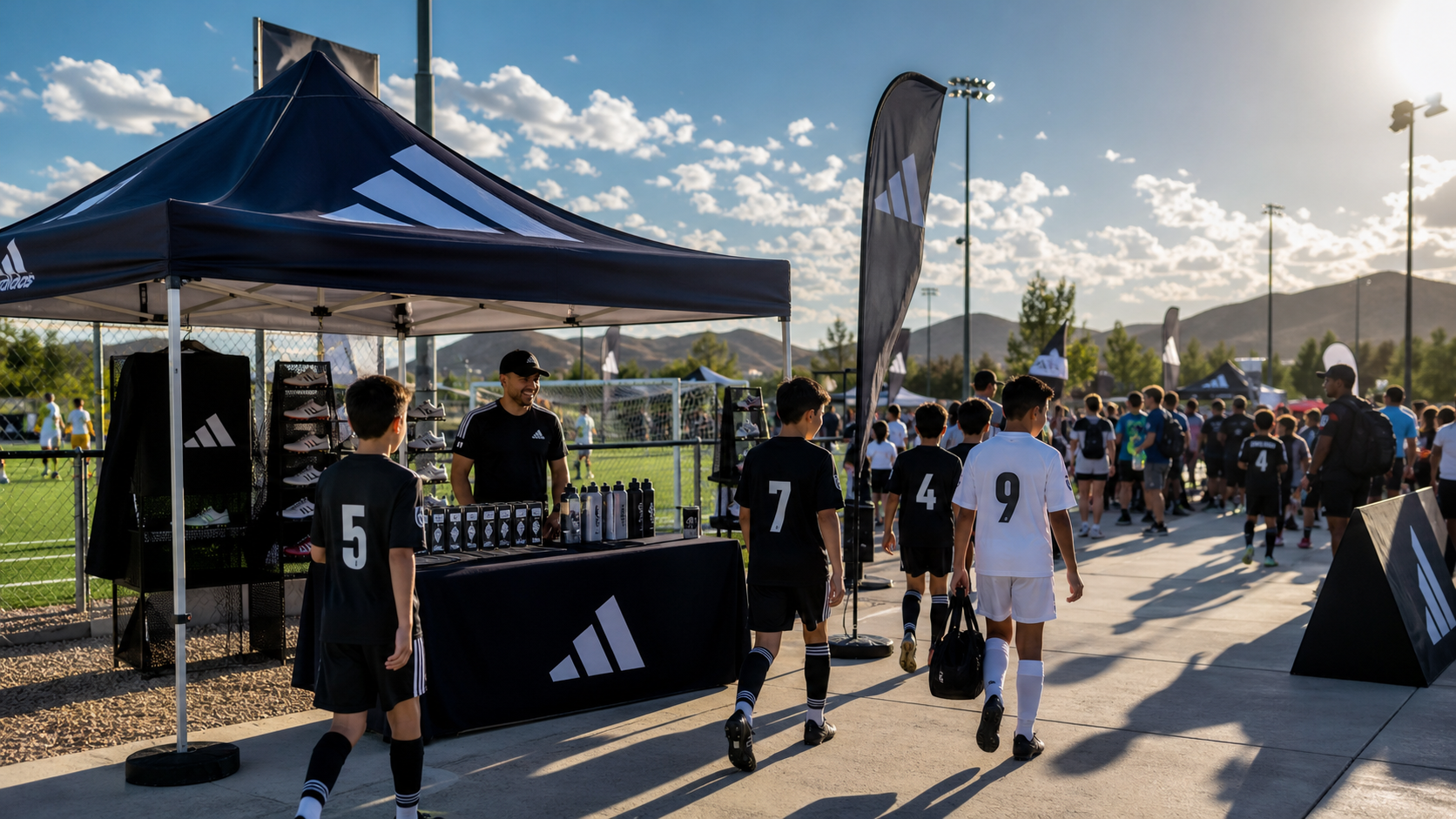
Activation is the live execution of a sponsorship: product sampling, contests, interactive experiences, survey stations, content capture. A brand showing up to hand out free product and collect first-party data gets far more value from that hour than a banner hanging above the bleachers all weekend.
What brands want to know before signing is whether your property can support it. Do you have physical space near foot traffic? Can you accommodate a tent, a branded table or a photo activation? Is there staff coordination for setup and teardown, or will a brand ambassador be left to figure it out alone on game day?
Properties that can answer those questions clearly attract sponsors with bigger budgets because they signal execution readiness. A brand that has run activations before knows the difference between an organizer who has thought this through and one who's offering space without a plan.
Criterion 5: Measurability and Proof of Impact
Logos and impressions used to close sponsorship deals. Now they barely get you in the room.
As PwC puts it, traditional metrics like ad reach won't suffice. Brands want specifics: did this sponsorship change behavior? Which fans responded, in what context, and how?
Properties that hand a brand a PDF of estimated impressions six weeks later are losing to organizers who can show actual completion rates on in-event surveys or direct revenue attribution through promo codes, geographic visitor data and post-event purchase tracking.
Criterion 6: Exclusivity and Category Protection
Brands that sign on as your official sports drink don't want a competing brand pouring samples two tents away. When brands negotiate sponsorship deals, many require that no direct competitor can hold rights within the same property, event or event series.
This changes the math for organizers in a useful way. A single exclusive sponsor in a category can generate more revenue than two competing brands split between them, because the exclusivity itself carries real value. Brands will pay a premium for clean protection, especially in high-traffic sponsorship categories.
What organizers often underestimate is how tightly brands define their category. A snack brand might require that no other packaged food company activates at the event. A regional bank might ask for exclusivity across all financial services, including credit unions and payment apps. Getting clear on category definitions before signing protects both sides.
If your property runs multiple events in a series, category exclusivity across the full portfolio is far more valuable to a brand than exclusivity at a single event. One clean relationship across a whole season of tournaments gives a brand something consistent to build on.
Criterion 7: Execution Readiness of the Organizer
The budget is approved, the activation idea works and the audience fits. Then someone asks: has this event run before, and can we see the numbers?
Execution readiness is the last box brands check, and it's the one that kills deals no one expected to fall apart. An organizer who can show clean registration data, consistent attendance and a history of events that started on time gives a brand confidence their activation will happen as planned.
What brands are really assessing is risk. If your setup runs on spreadsheets and group texts, a brand's field team has no way to know their ambassador will have table space, nearby foot traffic, or a point of contact on site. That uncertainty is enough to pause a deal or shrink the budget.
Strong communication infrastructure matters too. Brands want to know schedule changes reach families quickly, staff know who to call, and someone accountable is running the show. Organizers who can show those systems exist close sponsorships faster.
How Youth Sports Sponsorship Differs From Pro Sponsorship
Youth sports sponsorship operates on different logic than pro sponsorship, and brands that understand the difference tend to invest more deliberately in it.
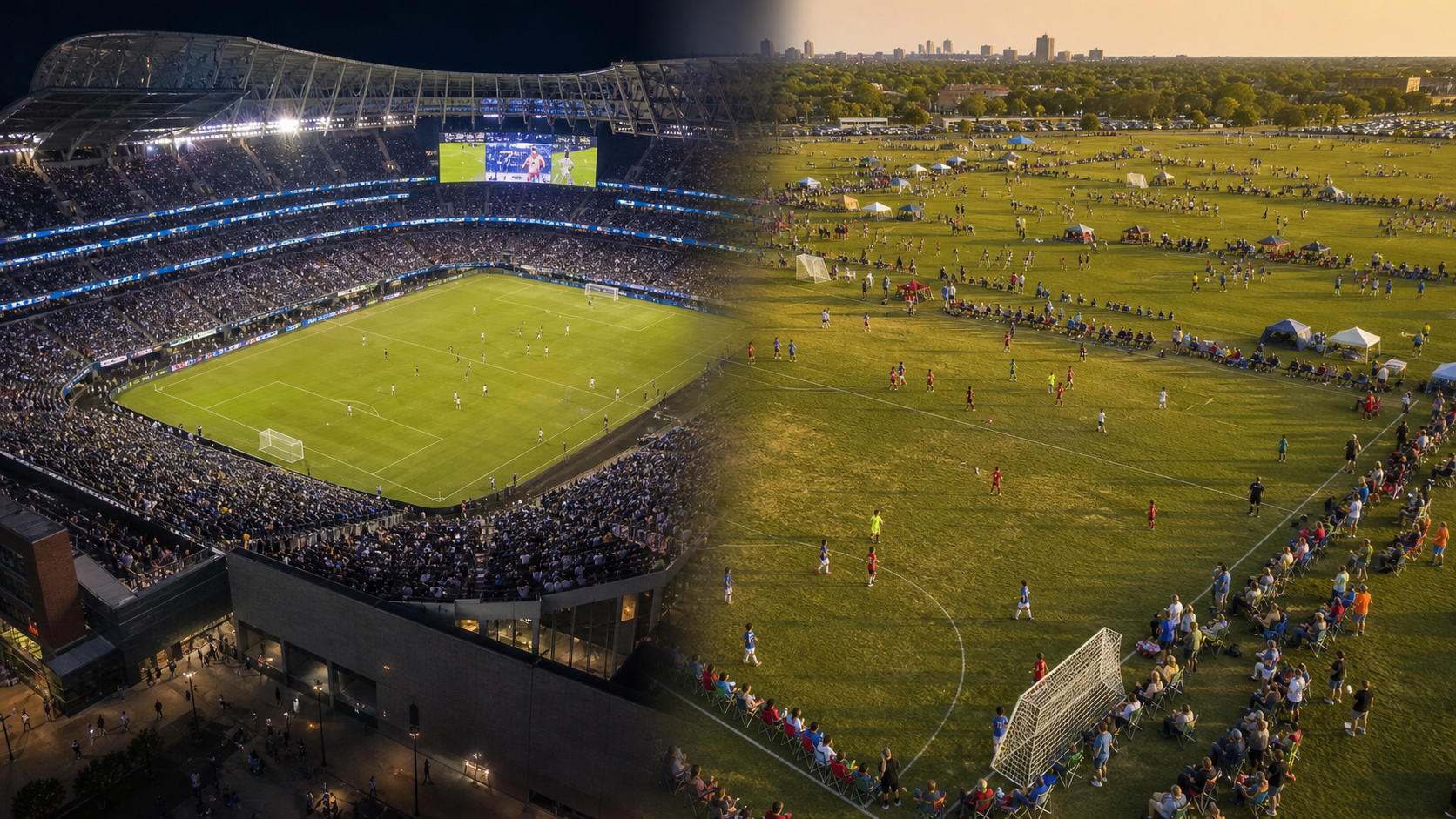
At a professional game, a brand competes with massive stadium inventory, broadcast graphics and dozens of other sponsors for attention. At a youth tournament, families are stationary for hours across multiple games, and fewer competing activations means more visibility per placement. A parent watching three games at a multi-field complex walks past the same branded tent several times organically, without buying additional placements.
The audience profile is distinct too. Youth sports draws Gen Alpha kids who influence household purchasing decisions and Gen Z teenagers forming brand loyalties right now, alongside parents making real spending decisions on-site: food, gear and travel.
Types of Sports Sponsorship Deals and Structures
Not every sponsorship deal looks the same, and the structure you offer can determine whether a brand says yes or asks for a smaller pilot first.
Brands also choose between property-level deals and event-level deals. A property deal covers an organizer's full portfolio across a season or region under one contract, while an event deal is a one-off at a single weekend. Brands new to youth sports often start with an event deal to test the audience, a move that often opens up a new sponsorship playbook before committing to a full-season relationship. Organizers who offer both structures close more deals because they lower the entry point without giving up the bigger opportunity, a shift reflected in the numbers behind Gen Z sponsorship budgets.
How to Build a Sponsorship Package That Brands Want to Sign
Start with tiers. Brands expect to see options: a title-level package, a mid-tier category sponsor slot and a lower entry point for brands testing the water. Bundle signage, activation space, digital placement and data access differently in each tier.
Your inventory list should be specific:
- On-site activation space, including square footage and proximity to foot traffic
- Logo placement on tickets, event app and registration confirmation emails
- In-event survey access for first-party data collection
- Social content capture and rights clearance
- PA mentions and announcements during play
When presenting audience data, skip estimated reach. Show actual registration numbers, geographic origins of attending families, household composition and repeat attendance rates. That's what a brand's marketing team needs to get budget approved internally.
Keep the proposal to three pages as part of a tournament sponsorship program built to renew: audience data, tier options with clear pricing and activation logistics. Brands reviewing dozens of inbound requests move faster on a clean, specific package.
How Fastbreak AI Connects Brands With Youth Sports Audiences
Fastbreak built Fastbreak Connect directly for that gap, a gap tied to the hidden cost of DIY sponsorship. Instead of approaching brands event by event, Fastbreak aggregates tournaments across a region or the country into a single coordinated program. One relationship, one contract and access to thousands of events nationwide. For a brand, that looks a lot more like a media buy than a one-off youth sports sponsorship, so internal budget approval moves faster.
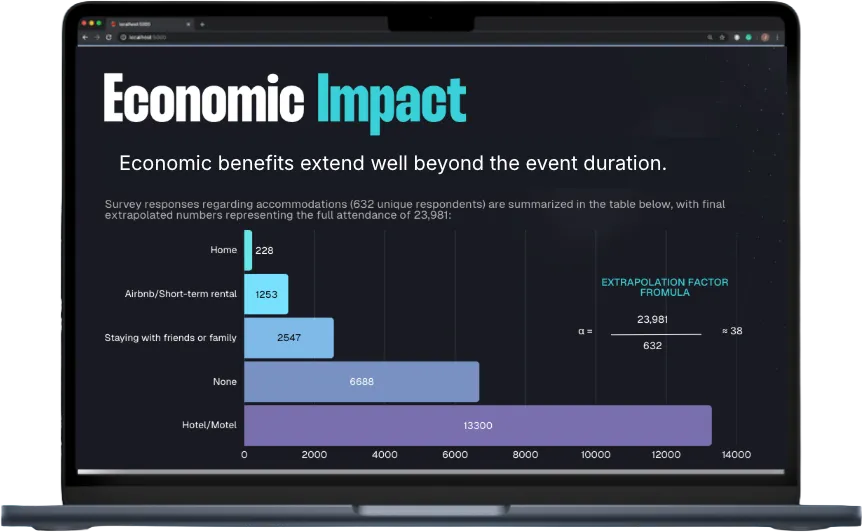
On the activation side, Fastbreak's on-site brand ambassadors handle logistics so brands show up without extra lift. Product showcases, contests, sample distribution and rights-cleared content capture are all managed. In-event surveys reach completion rates between 80 and 95%, so brands get first-party data they can use instead of estimated impression counts.
Post-event, brands receive reporting that maps back to the criteria that matter as part of experiential brand activation: survey results, rights-cleared content and sales impact reporting.
Final Thoughts on Winning Sports Sponsorship Deals for Your Property
Most sponsorship conversations stall because organizers lead with inventory and brands need outcomes. Start with your audience and what a brand can do on site, and the whole conversation changes. Your property has more to offer than you might think. Get in touch with Fastbreak to see how Fastbreak Connect helps organizers turn regional event portfolios into sponsor-ready programs.
FAQ
What do brands look for before signing a youth sports sponsorship?
Brands weigh seven things before committing: audience alignment, values fit, reach and repeat exposure, activation potential, measurability, category exclusivity and the organizer's execution readiness. Audience demographics and geography come first, but brands that sponsor youth sports are also paying close attention to how many times they can reach the same families across a season and whether the organizer can execute a live activation without leaving their team to figure it out alone on game day.
How can a youth sports program give a brand frequency of exposure instead of just one-time reach?
Run a recurring series of events across a season or region instead of pitching a single weekend. A brand that activates at one tournament gets one impression window. A brand that activates across your full spring and summer calendar builds repeated touchpoints with the same core audience. That is closer to how a media buy works and gives a CFO or marketing director a defensible case internally.
How do I apply for sports sponsorship from companies for my youth sports organization?
Start by building a sponsorship package with real audience data: actual registration numbers, geographic origins of attending families and repeat attendance rates. National brands receive high volumes of inbound requests, so a clean three-page proposal covering audience data, tiered pricing and activation logistics will move faster than a general inquiry. Fastbreak Connect aggregates events into one coordinated program for brands, which can shorten that path.
What makes Fastbreak Connect different from going directly to a sponsor yourself?
Fastbreak Connect aggregates tournaments across a region or the country into a single coordinated program, so a brand gets one relationship, one contract and access to thousands of events nationwide without negotiating event by event. Brands also get on-site brand ambassadors who run product showcases, contests and rights-cleared content capture.
What types of sports sponsorship deals should organizers offer brands?
Offer at least three tiers: a title sponsorship with the brand name attached to the event itself, a category sponsorship with exclusivity in one product category and a lower entry-point option for brands testing a new audience. Presenting both event-level deals and property-level deals that cover your full portfolio lowers the barrier for brands new to youth sports sponsorship and keeps the bigger season-long opportunity on the table.


