






Every marketing deck has a slide full of generational statistics that get nodded at and forgotten by the next meeting. These three aren't that kind of number. Each one points directly at a decision worth making differently this year.
99% of Gen Z skip ads or run ad blockers
This first number explains the two others. When almost an entire generation has trained itself to skip, block, or scroll past anything that resembles an ad, every channel built on impressions is playing a game it's already lost. It doesn't matter how strong the creative is if the format itself gets filtered out before anyone sees it.
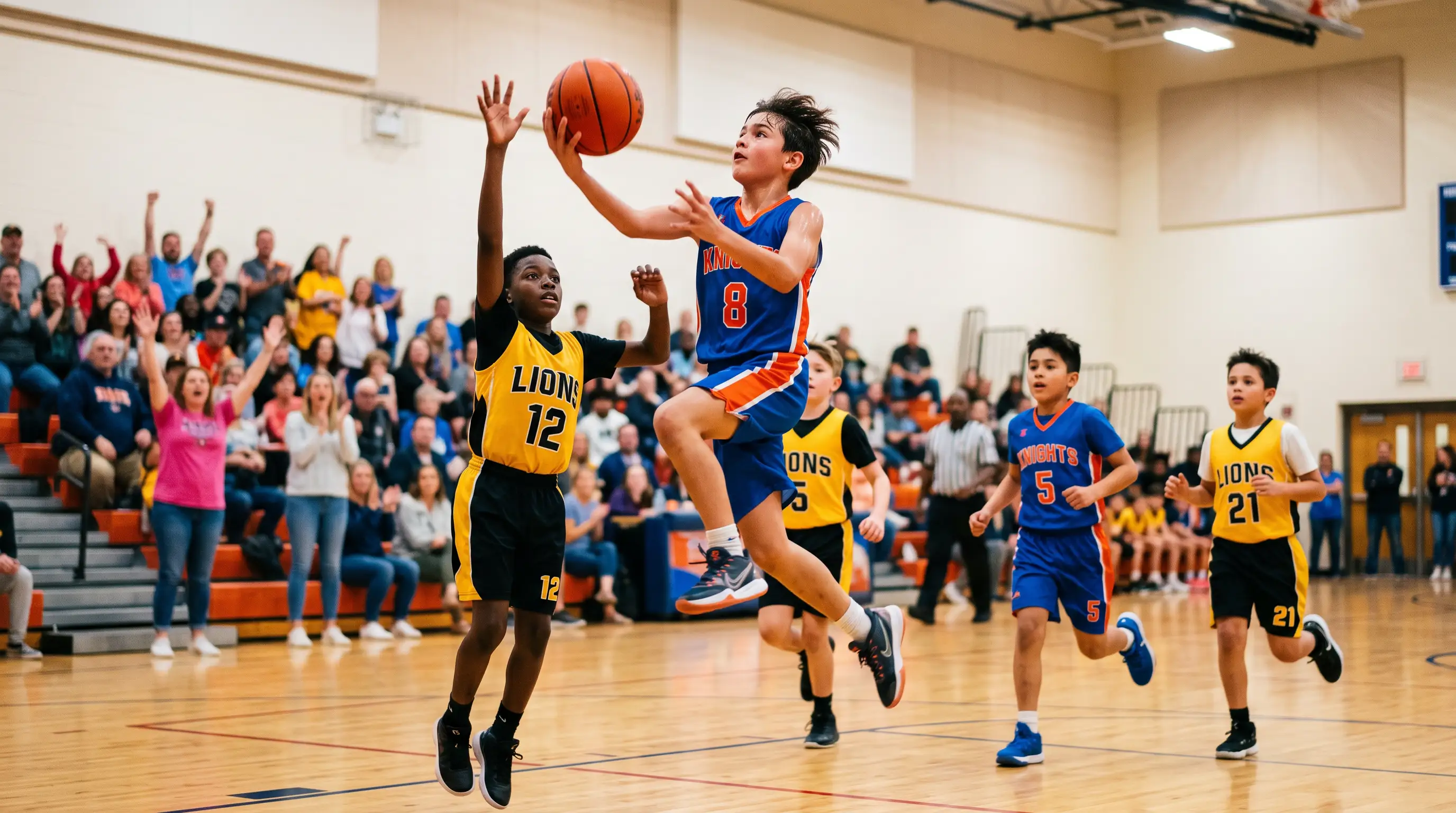
What's left are the places this generation genuinely can't scroll past, and there are fewer of them every year. A youth tournament is one of them. A family standing at a sampling tent between matches isn't going to swipe the experience away, because there's nothing to swipe. That scarcity is exactly why the channel is becoming more valuable while digital inventory gets more crowded and more ignored.
43% of Gen Z have dropped a brand they once loved, simply because they got bored
Loyalty with this generation isn't a one-time achievement. It has to be earned again and again, and boredom alone is enough to end it. A single ad flight, no matter how well it performs on launch, doesn't build the kind of relationship that survives a slow quarter or a competitor's shinier campaign.
A brand that shows up in person, weekend after weekend, on the same tournament circuit a family already attends, is playing an entirely different game than one that shows up once in a feed and disappears. Frequency in a trusted, real-world setting does something a single impression never can: it becomes part of the routine instead of a moment that has to be re-earned from zero every time.
92% say the community around a brand shapes how they feel about it
Gen Z doesn't evaluate a product in isolation. They're watching who else stands behind it, who else is talking about it, and how it shows up in the places they already care about. That's a difficult thing to manufacture inside a feed, no matter how much budget goes into building a brand community online.
It's the default setting at a youth tournament. The brand isn't renting a spot next to the community. It's standing inside it, next to the game, next to the families who are already trusting each other's opinions about what to buy. That's not a media placement. It's a seat at the table this generation already trusts.
FAQs
Why do traditional ad channels struggle to reach Gen Z?
Nearly all of Gen Z skips ads or uses ad blockers, so any channel built on impressions is losing before the creative even gets seen. Strong creative doesn't help if the format itself gets filtered out.
Why is youth sports sponsorship effective for reaching Gen Z?
In-person settings like a youth tournament are places this generation can't scroll past. A brand sampling tent between matches has no swipe-away option, which makes that scarcity valuable as digital inventory gets more crowded and ignored.
How does Gen Z's brand loyalty differ from previous generations?
A large share of Gen Z has dropped a brand they once loved simply out of boredom, meaning loyalty has to be earned repeatedly rather than won once. A single ad flight doesn't build a relationship resilient enough to survive a slow quarter.
What role does community play in how Gen Z evaluates brands?
The vast majority of Gen Z say the community around a brand shapes how they feel about it. They watch who stands behind a brand and how it shows up in places they already care about, which is difficult to manufacture inside a digital feed.
How does showing up consistently at youth sports events benefit a brand long-term?
Repeated presence at the same tournament circuit a family already attends builds frequency in a trusted, real-world setting. That turns a brand into part of a family's routine instead of a moment that has to be re-earned from zero each time.


