






For three decades, sponsorship has meant renting attention with a pro sports team or league. Brands pay for proximity to an audience someone else had already gathered, and it worked because attention was easy to find. A logo on a jersey or a banner in an arena did the job on its own. Nobody had to think much harder than that.
Gen Z has changed the game, and it isn't going to come back.
Think about how a soda brand built loyalty in 1995. Buy the rink boards at the local arena, put the logo on a jersey patch, run a few TV spots during the game broadcast, and the math worked because there weren't many other places for a kid's attention to go. That same playbook run today competes with a phone, a tablet, three streaming apps and a feed a kid has already trained to scroll past anything that smells like an ad.
A generation raised to scroll past you
Gen Z and Gen Alpha grew up with a remote in one hand and a phone in the other, and they learned early how to skip, block, and mute anything that looks like an ad. Nearly all of them run ad blockers or skip pre-roll outright, and the ones who don't have simply trained their thumbs to move past a sponsored post before the caption finishes loading.
Picture a 13-year-old scrolling a highlight reel from a weekend tournament. A sponsored post from a national brand shows up between two clips of the actual games. That post gets scrolled past in under a second, no different from an ad. But a video of the same brand's mascot handing out samples at the tournament, posted by a teammate who was actually there, gets watched to the end and shared to a group chat. Same brand, same weekend, completely different result, because one format asked for attention and the other one earned it by actually showing up.
This is a generation that has stopped trusting the format brands use to reach them. They believe a person, a moment, an experience they were actually part of. Trust in a brand now matters to Gen Z as much as price or quality does, and trust was never something a media buy could manufacture on its own.
The attention window opens years before a person’s first paycheck
Here's the part that should reorder a few roadmaps: this generation starts forming brand preferences at seven, eight, and nine years old, long before they have any money of their own to spend.
Ask most adults why they buy the truck brand they buy, and the answer often traces back to the one parked in the driveway when they were a kid. That kind of memory gets built early, and it sticks for decades.
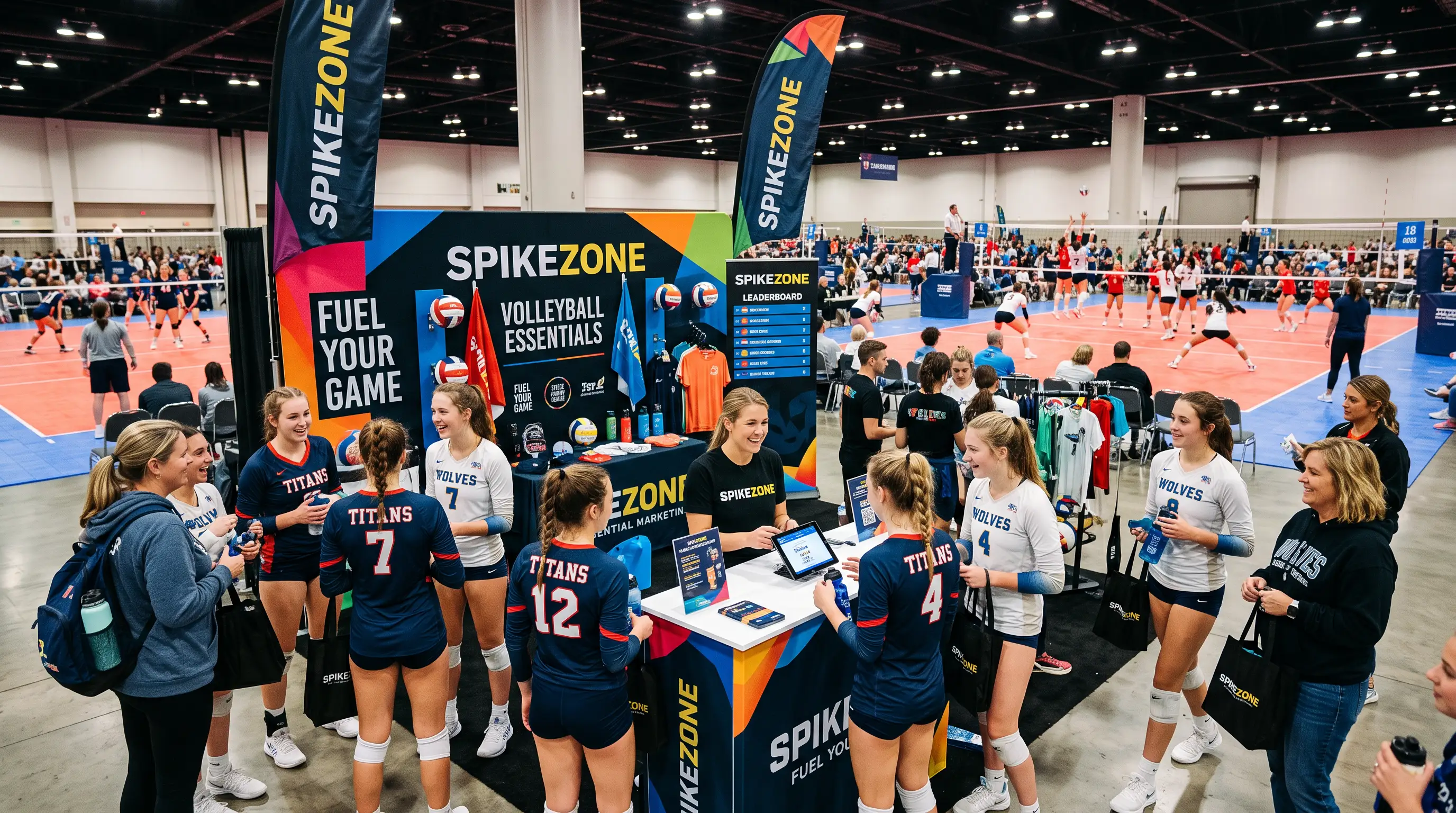
The same pattern plays out on the sidelines of youth sports every weekend. A nine-year-old who gets handed a free water bottle by a brand ambassador at her tournament, who remembers the brand's mascot doing a halftime contest, isn't making a purchase decision. She's forming a preference that shows up fifteen years later when she's standing in a grocery aisle choosing between two nearly identical products, and one of them just feels familiar in a way she can't fully explain.
By the time a brand tries to reach this generation through the usual channels, paid social, a streaming pre-roll, a pro sponsorship renewal, the relationship is often already decided. It just wasn't decided by that brand. Someone else got there first, in person, before the algorithm ever had a chance to run an ad.
Status quo is the expensive choice, not the safe one
The instinct in an uncertain budget year is to keep doing what's familiar. Renew the pro deal. Push a little more into paid social. Both of those levers are getting more expensive and less effective at the exact moment a new generation is deciding who to trust, which means standing still isn't neutral. It's a slow way of losing ground every quarter.
Consider two brands with identical budgets making opposite bets this year. One renews its pro league sponsorship at a higher rate than last year, because that's the deal already on the table and renewing feels like the safe choice. The other redirects a portion of that same budget into grassroots activation at youth tournaments. A year from now, the first brand has the same logo placement it's had for years, reaching an audience that's largely already decided how it feels about the brand. The second brand has thousands of new family impressions, a library of real content shared organically by attendees, and a foothold with kids who are still forming their preferences. The renewal felt safer in the moment. It wasn't.
Meanwhile, a different channel has been quietly pulling ahead while most budgets weren't looking. Sponsorship dollars are moving into it at double digit growth in the same year that a large share of brands cut pro sponsorship deals altogether. The companies making that move aren't the ones you'd expect from a legacy sponsorship deck, and they didn't get there by accident. They got there by noticing where this generation actually spends its time, in person, every single weekend.
This is a rebuild, not a tweak
None of this means social and pro sponsorship disappear from a smart media plan. It means the plan built entirely around renting attention needs a channel built around earning it, and that channel already exists. It just hasn't made it into most decks yet.
FAQs
Why doesn't traditional sponsorship work for Gen Z?
Traditional sponsorship relies on renting attention through a logo on a jersey or a banner in an arena, which worked when there were fewer places for attention to go. Gen Z and Gen Alpha grew up trained to skip, block, and mute anything that looks like an ad, so a sponsored post competes with a phone, a tablet, and multiple streaming apps and rarely gets more than a second of attention.
When does Gen Z start forming brand preferences?
Gen Z and Gen Alpha start forming brand preferences at seven, eight, and nine years old, long before they have any money of their own to spend. These early preferences, often built through in-person experiences like youth sports events, can resurface fifteen years later when that person is making a purchase decision as an adult.
Why is renewing a pro sponsorship deal riskier than it seems?
Renewing a pro sponsorship deal feels safe because it's the deal already on the table, but it reaches an audience that has largely already decided how it feels about a brand. Meanwhile, sponsorship dollars are moving into grassroots activation at double-digit growth in the same year a large share of brands cut pro sponsorship deals, meaning standing still is a slow way of losing ground every quarter.
What makes a brand experience more effective than a sponsored post for reaching Gen Z?
A sponsored post asks for attention, while an in-person brand experience earns it. A video of a brand's mascot handing out samples at a tournament, posted by someone who was actually there, gets watched and shared because it reflects a real moment, whereas the same brand's sponsored post in a feed gets scrolled past in under a second.
Where can brands learn how to reach Gen Z through sponsorship?
Fastbreak AI's free playbook, 12 Rules for Winning Over Gen Alpha and Gen Z, lays out why the old sponsorship model is losing this generation, what the brands moving fastest are doing instead, and the data behind each claim. It's built for teams deciding where next year's activation budget should go.


