






At a certain point, most tournament directors hit the same wall: SportsEngine handles sign-ups, but getting from registration to a published, conflict-free schedule still takes days of manual work. And if you want ticketing, travel rebates, or sponsor revenue on top of that, you're managing a different vendor for each one. Here's a look at seven alternatives that close those gaps.
Executive Summary:
- SportsEngine grew through acquisitions, so registration, scheduling, and compliance sit in disconnected modules that require manual data reconciliation.
- Directors managing multi-venue events can spend 10 to 15 hours per week moving data across systems that were never built to work together.
- Most alternatives cover one or two key areas; no competitor in this comparison covers AI scheduling, hotel rebates, mobile ticketing, and a unified data flow together.
- GotSport, TeamSnap, and Sports Connect each serve specific compliance or communication needs but lack tournament-scale scheduling and native revenue capabilities.
- Fastbreak AI is the only platform in this comparison with AI-optimized scheduling, integrated travel and ticketing, and a single connected data environment for registration through event day.
What Is SportsEngine and How Does It Work?
SportsEngine is a cloud-based operations management software for sporting organizations, owned by NBC Sports Group under Comcast. It serves teams, clubs, associations, leagues, and tournaments across youth sports, giving organizers a way to manage registrations, communicate with parents and athletes, run background checks, and process payments.
Its current product set is largely the result of acquisitions. The core platform, SportsEngine HQ, handles registration, compliance, website building, and payment processing. Background screening comes through NCSI, which SportsEngine absorbed to add safety verification into its workflow. Tournament scheduling runs through SportsEngine Tourney, the rebranded version of Tourney Machine.
Tourney Machine's scheduling tool, now called ScheduleAssist, lets organizers define team restrictions, confirm court availability, and account for distance between venues. Managers build and adjust game schedules through a drag-and-drop interface, with no automated engine involved.
Pricing starts at $79/month for the Express plan, with Premium at $129/month and Pro at $2,199/year.
Because the platform grew through acquisitions instead of being built as a single connected system, the individual modules were originally separate products. That history shapes how the data flows, or in some cases, how it does not, between registration, scheduling, and communication functions.
Why Consider SportsEngine Alternatives?
SportsEngine works well for a specific type of organization. Leagues and clubs that need year-round registration processing, compliance tools, and a basic team website in one familiar package can get real value from it. SportsEngine fits organizations that need basic tournament brackets without revenue optimization requirements, particularly when separate systems already handle housing, ticketing, and sponsorships.
The problems show up when operators start growing. Three structural limits come up consistently.
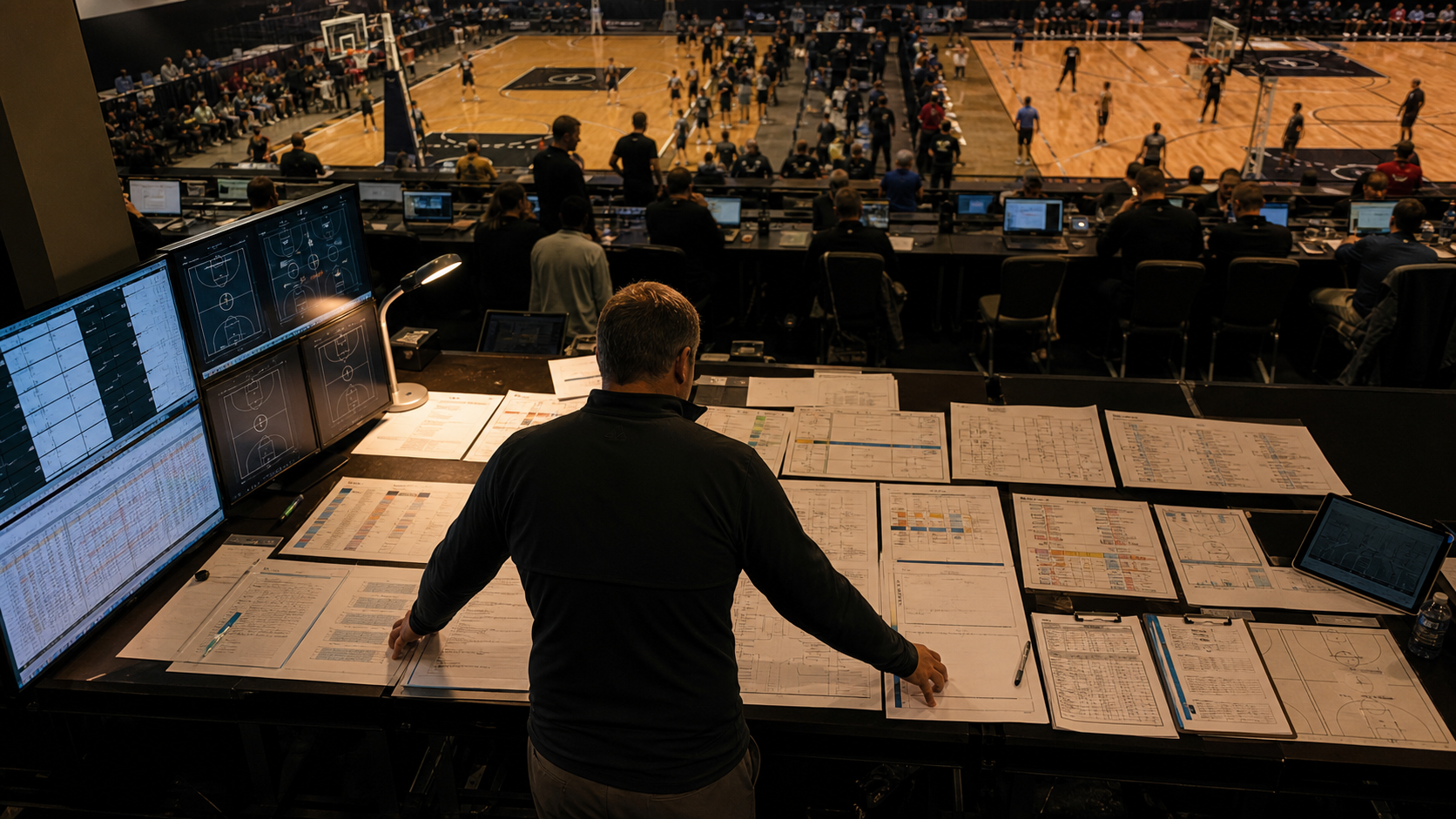
- No schedule optimization. Registration data does not flow cleanly into scheduling, so moving from team sign-ups to a published bracket requires manual data transfer between modules. The AI sports scheduling software grid fills slots sequentially, with no optimization across venues, rest periods, and coaching conflicts simultaneously.
- No revenue infrastructure. There are no housing rebate systems, no mobile ticketing with sponsor content delivery, and no marketplace connecting operators to national brand activations. Ticketing, travel, and sponsorships each require separate vendors.
- Fragmented data. Because the modules were originally separate companies, products do not share information automatically, which pushes manual data entry across systems for anything beyond basic tournament registration software.
For a recreational league where getting games on the calendar is the whole job, none of that matters much. For a tournament director running multi-venue events and trying to generate revenue beyond registration fees, those gaps are the reason people start looking elsewhere.
Best SportsEngine Alternatives in August 2026
These alternatives were reviewed based on how well they close the gaps identified above: AI scheduling power, integrated revenue generation, end-to-end data connectivity, and family experience.
1. Fastbreak AI: Best Overall SportsEngine Alternative
The foundational differentiator here is straightforward. The same AI scheduling engine that builds season fixtures for 100+ professional leagues worldwide now runs youth tournaments, clubs, and leagues through Fastbreak AI. That means conflict-free, optimized schedules generated in minutes, accounting for venue availability, coaching overlaps, rest periods, and competitive fairness, with mid-event repairs that leave unaffected games untouched.
On the revenue side, integrated Fastbreak Ticketing delivers SMS-based mobile tickets with no app required, offline scanning for low-connectivity venues, and sponsor branding on every ticket. Integrated with Fastbreak for tournaments, Fastbreak Travel handles stay-to-play compliance, hotel rebate revenue, whole-home rental inventory, and live block pickup tracking. New income without raising team fees.
Registration, scheduling, ticketing, travel, communications, and the Fastbreak AI app share one data environment. The Fastbreak Event Directory gives operators premium placement in a centralized discovery channel that drives qualified registration traffic directly into sign-ups.
Best for: Tournament directors, club administrators, and league operators at any scale, including those seeking basketball tournament management software, who want a single connected software, new revenue from ticketing and travel, and a pro-level family experience.
Bottom line: Fastbreak AI closes every structural gap in SportsEngine directly.
2. Stack Sports / PlayMetrics
PlayMetrics positions itself as a club operating system with modules for registration, tryouts, practice scheduling, and player development. It serves year-round clubs with strong internal coordination needs. Because Stack Sports is a holding company of acquired brands, its products connect legacy codebases, creating data-sync friction. PlayMetrics handles club scheduling well but lacks the scheduling logic needed for large-scale tournaments, native gate ticketing, or hotel rebate systems. Those gaps are where the best sports scheduling software for multi-venue events steps in.
Best for: Year-round clubs focused on internal practice coordination over tournament execution.
3. GotSport
GotSport is the standard compliance and player-card verification software across many soccer state associations, though it falls short compared to purpose-built soccer tournament management software. It offers per-player registration pricing starting at $3 per player, basic multi-venue scheduling requiring manual configuration, and background check integration. It cannot handle coaching conflicts across facilities or travel-time buffering at scale. No hotel rebates, no mobile ticketing, no stay-to-play compliance dashboard.
Best for: Soccer organizations required by their state association to use GotSport for roster compliance.
4. TeamSnap
TeamSnap handles team communication, scheduling, and parent coordination accessibly for small clubs and individual teams. Its data is siloed at the team level, which blocks aggregate reporting and league-wide visibility. No multi-venue bracket building, no AI scheduling, no ticketing with gate revenue, no hotel rebates.
Best for: Small clubs or individual team managers whose primary challenge is keeping one team informed.
5. LeagueApps
LeagueApps serves local recurring leagues with online registration and basic scheduling. It charges a setup fee near $495 plus ongoing subscription costs without providing offsetting revenue from ticketing or travel rebates. Schedule changes do not propagate automatically to housing or ticketing partner systems.
Best for: Stable local recreational leagues with simple scheduling and no travel logistics.
6. Sports Connect
Sports Connect, a Stack Sports product, focuses on NGB compliance and background screening. Per-member fees compound as organizations grow. No native housing rebates, no integrated ticketing, no AI scheduling for multi-venue events.
Best for: National Governing Bodies requiring mandated compliance and background screening across large member bases.
7. GameChanger
GameChanger is a cloud and mobile-based sports management software providing live streaming and scorekeeping for coaches, players, and fans. Pricing starts free, with Plus at $9.99/month and Premium at $14.99/month. It has no bracket building, no multi-venue scheduling, no housing, and no gate ticketing. Streaming also depends on reliable cell service, which fails at many youth sports venues.
Best for: Families and coaches who want live game streaming and season statistics for a single team.
What they offer:
A free version supports up to one account, with the Plus plan at $9.99/month and Premium at $14.99/month, both flat rate.
- Live streaming and HD game broadcasts with real-time scoreboard overlays
- Scorekeeping and stat tracking for baseball, softball, basketball, and other sports
- Team messaging, scheduling, and RSVP coordination at the individual team level
One catch worth noting: free users watching live streams receive five complimentary full-game views, after which a paid subscription is required to keep watching.
More critically for tournament operators, GameChanger has no bracket building, multi-venue scheduling, housing management, gate ticketing, or integrated registration. Its architecture is game-level, built for spectators and individual teams, not event management. Tournament directors looking for AI-optimized scheduling, registration flows, and gate revenue will find that GameChanger does not touch the event management problem at all.
Good for: Families and coaches who want a consumer-grade viewing and communication app for individual games, particularly in baseball and softball where GameChanger has strong adoption.
Feature Comparison: SportsEngine vs Top Alternatives
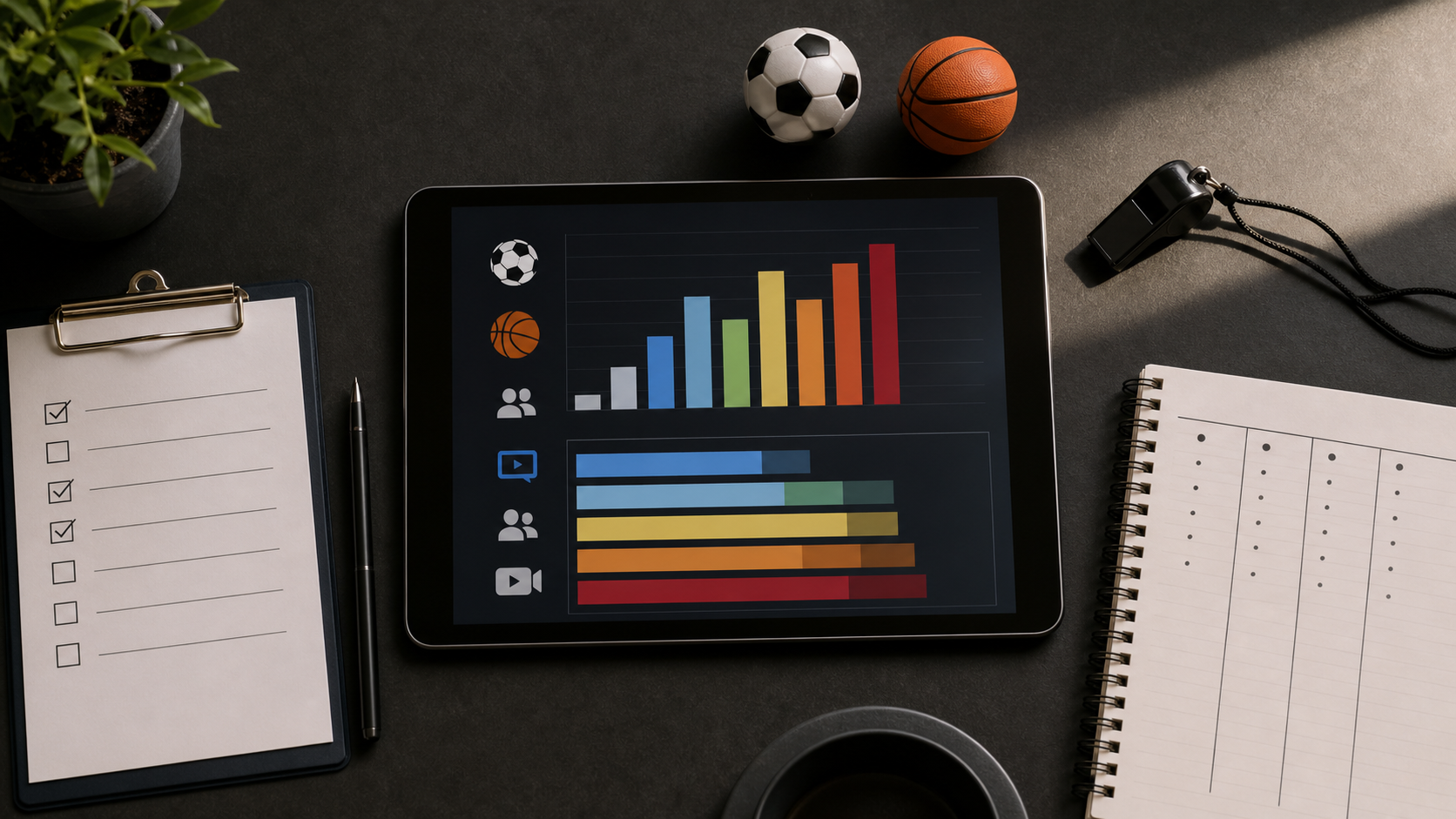
The table below maps the seven most decision-relevant features across each platform so you can see exactly where the gaps are.
| Feature | SportsEngine | Fastbreak AI | Stack Sports (PlayMetrics) | GotSport | TeamSnap | LeagueApps | Sports Connect | GameChanger |
|---|---|---|---|---|---|---|---|---|
| AI-Optimized Scheduling | No | Yes | No | No | No | No | No | No |
| Integrated Hotel Rebates / Travel Management | No | Yes | No | No | No | No | No | No |
| Mobile Ticketing with Offline Scanning | No | Yes | No | No | No | No | No | No |
| Native Sponsor Revenue Tools | No | Yes | No | No | No | No | No | No |
| Unified Registration-to-Scheduling Data Flow | No | Yes | Partial | No | No | No | No | No |
| Participant Mobile App (Schedules, Scores, Notifications) | Basic | Yes | Basic | No | Yes | No | No | Yes |
| Revenue Model | Subscription | Revenue-generating | Subscription | Per-player fee | Subscription | Subscription + setup fee | Per-member fee | Freemium subscription |
Fastbreak AI is the only option in this table that covers all five of the most consequential event capabilities: AI scheduling, hotel rebates, mobile ticketing with offline scanning, native sponsor revenue tools, and a unified registration-to-scheduling data flow. Every other platform covers one or two of those areas at most. For operators whose events depend on all of them working together, the gap is structural, a core question of whether your software built to scale, not a matter of preference.
Why Fastbreak AI Is the Best SportsEngine Alternative
SportsEngine built its product suite through acquisitions, which is why registration, scheduling, and compliance functions sit in disconnected codebases that require manual data reconciliation. Its scheduling fills slots sequentially, without optimizing across variables, and there are no native revenue tools for ticketing, travel rebates, or sponsor activation. For operators whose events have grown beyond basic bracket management, those gaps compound. Directors can spend 10 to 15 hours per week managing data across disconnected tournament software tools, chasing confirmations that a connected system would resolve automatically.
Fastbreak AI was built as connected software from the ground up. Registration data flows directly into the scheduling engine (see how Fastbreak AI fixes youth tournament scheduling) and schedules propagate automatically to the family-facing Fastbreak AI app, with ticketing, travel, and sponsorship functions as native components of the same data environment. The AI scheduling software for amateur sports that builds season fixtures for 100+ professional leagues handles the constraint complexity of multi-venue youth tournaments, including coaching overlaps, rest windows, and travel-time buffering, in minutes, not days. For tournament directors, club administrators, and league operators who want events that generate revenue beyond just collecting registrations, that architecture is the difference between a compliance cost and a revenue partner.
Final Thoughts on the Best SportsEngine Alternatives for Your Organization
Your needs as an operator are specific, and the right software depends on the scale of your events, how you generate revenue, and how much manual work you're willing to absorb. For local recreational leagues, several options here will get the job done. For tournament directors and club administrators who want AI-optimized scheduling, integrated travel, and mobile ticketing working together, the gap between Fastbreak AI and the rest is hard to ignore. Talk to the Fastbreak AI team to see what your events could look like on a fully connected system.
FAQ
Why do tournament directors look for SportsEngine alternatives?
SportsEngine grew through acquisitions, which left its registration, scheduling, and compliance modules in disconnected codebases that require manual data reconciliation between functions. Directors running multi-venue events often find that the sequential slot-filling scheduling grid, combined with no native ticketing, travel rebates, or sponsor revenue tools, creates execution gaps that compound as event size grows.
When should you consider moving away from SportsEngine to a platform like Fastbreak AI?
If you are running multi-venue tournaments, spending 10 to 15 hours per week manually syncing data across systems, or losing revenue because ticketing, travel, and sponsorships each require separate vendors, your events have outgrown what SportsEngine's architecture can deliver in one connected workflow.
What features matter most when comparing SportsEngine alternatives?
Look for AI-optimized scheduling that accounts for coaching overlaps, rest periods, and venue availability simultaneously, going beyond sequential slot-filling. Beyond scheduling, check whether the platform connects registration, housing rebates, mobile ticketing, and family communications in one data environment, since fragmented tools require manual reconciliation at every handoff.
How does Fastbreak AI handle schedule changes mid-tournament compared to SportsEngine?
The AI scheduling engine in Fastbreak AI can repair schedules in minutes when a court goes down or a team withdraws, without touching unaffected games or requiring a full rebuild. SportsEngine's drag-and-drop interface in ScheduleAssist requires manual rework, which creates delays that ripple into housing, communications, and gate operations.
Can Fastbreak AI generate revenue from events beyond registration fees, and how does that compare to SportsEngine?
Fastbreak AI connects integrated ticketing, hotel rebates through Fastbreak Travel, and sponsor branding on digital tickets in one platform, giving tournament directors new income streams without raising team fees. SportsEngine has no native housing rebate system, no mobile ticketing with sponsor delivery, and no marketplace for brand activations, so operators must source and manage each revenue stream through separate vendors.


