





If you've been pitching local businesses with a generic email and hoping for the best, you're not alone. Most teams do it that way, and most teams get ignored. Getting sponsorship for youth sports really comes down to three things: knowing who to ask, what to offer them and how to prove it's worth their money.
Executive Summary:
- Youth sports events bring parents, grandparents and siblings to your fields in person, weekend after weekend, which gives sponsors a defined local audience.
- Local businesses convert at higher rates than national brands because their customers are already in your stands.
- Build a tiered sponsorship package with prices anchored to attendance: title sponsorship under $1,000 for under 300 attendees, up to $2,500 and above for 800-plus.
- National brands use formal intake systems, so cold emails won't get you far with them.
- Fastbreak AI places sponsor logos on mobile tickets through Fastbreak Ticketing and delivers first-party audience data through in-event surveys, giving tournaments proof to show sponsors.
Why Companies Sponsor Youth Sports
Companies sponsor youth sports for business reasons, and understanding those reasons is what separates a pitch that lands from one that gets ignored.
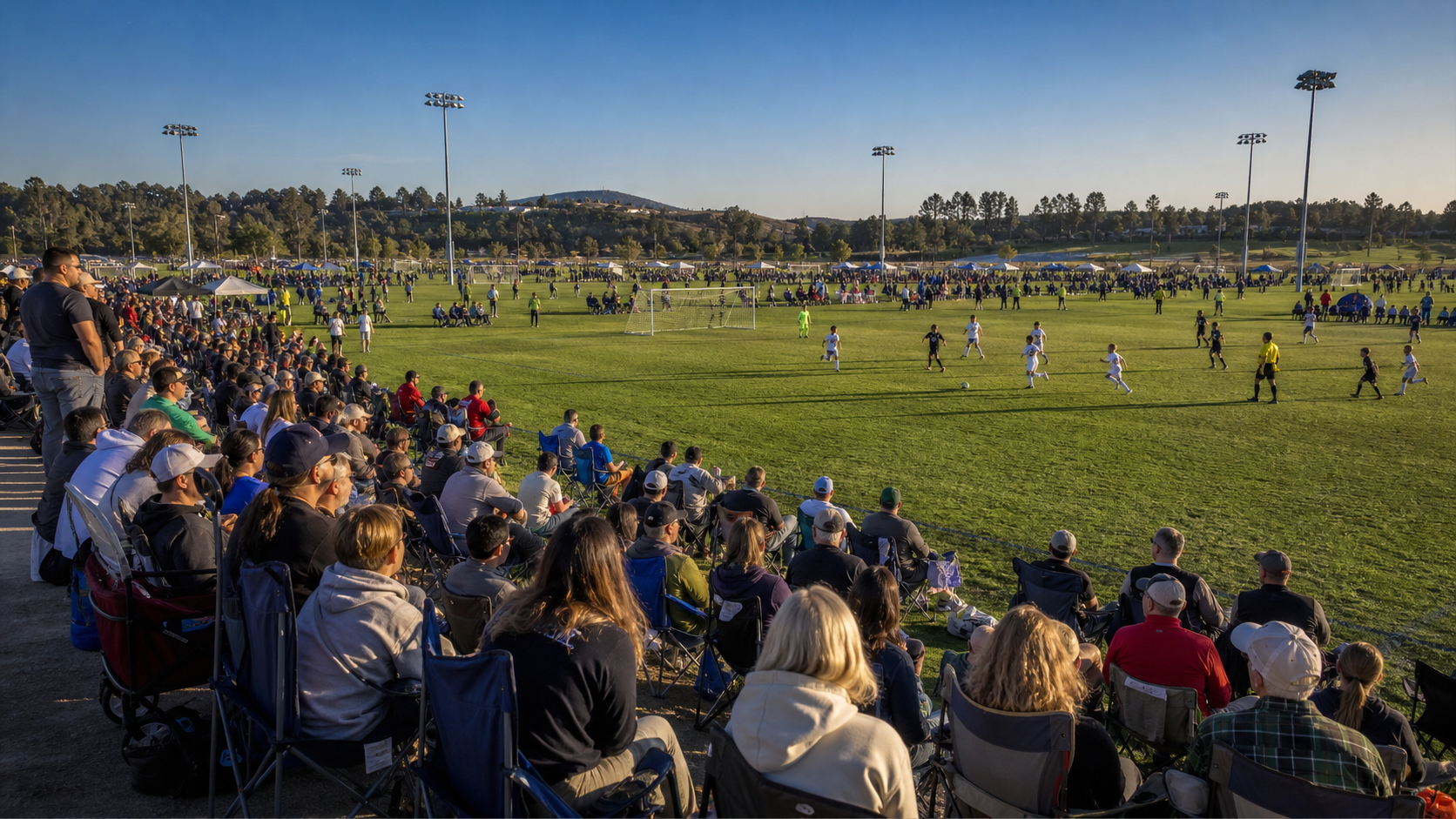
The audience is the main draw. Youth sports events pull in parents, grandparents and siblings, many of whom are primary household decision-makers. Families are invested in their kids' sports, and that engaged, brand-receptive audience shows up in person, repeatedly, over a full season.
Repeated exposure matters too. A sponsor on your tournament banner or team jersey gets seen every game, every weekend, by the same families. That consistent visibility is hard to buy through traditional advertising at the same price point.
Community goodwill rounds it out. Local businesses especially benefit from being seen as supporters of kids in their town. It builds trust, generates word-of-mouth and ties a brand to something people genuinely care about.
What Types of Businesses Sponsor Youth Sports Teams
Most teams make the mistake of going straight to the biggest names they can think of. The broadest pool of sponsors is much closer to home.
- Local service businesses: dentists, pediatricians, law offices, insurance agents, HVAC companies and auto repair shops sponsor teams regularly because they want visibility in the neighborhoods where their customers live.
- Restaurants and food brands: both local spots and regional chains, including pizza and sandwich shops, have a track record of youth sports support.
- Banks and credit unions: community-focused by nature, these often have dedicated sponsorship budgets set aside for local causes.
- Sporting goods retailers: local and regional sporting goods retailers often field sponsorship and donation requests from local leagues and teams, and many review them on a set schedule.
- Healthcare providers: hospitals, urgent care clinics and physical therapy offices sponsor youth sports because families with active kids match their patient profile.
- Insurance agencies: local insurance agents are known for community sponsorships, and larger requests often need a formal proposal submitted well ahead of your event.
If a business wants to reach families with kids, they belong on your list.
How National Sponsorship Programs Handle Requests
National brands run structured programs, so knowing how each one takes requests saves you time before you pitch.
| Program Type | How It Works | What You Do |
|---|---|---|
| Community grant programs | Funds youth programs through a formal application, often tied to a set award cycle. | Check the application window, then apply with your registration numbers and a clear statement of need. |
| Foundation funding | Supports under-resourced youth programs, with applications reviewed on a monthly or annual schedule. | Confirm your eligibility first, then submit a simple budget and impact summary. |
| Formal proposal systems | Corporate teams review sponsorship proposals submitted through an online form. | Submit your proposal at least three months before your event date. |
| Franchise and dealer sponsorships | Local owners make sponsorship decisions, not corporate headquarters. | Contact the local owner or manager directly with a one-page summary. |
| Annual nonprofit grants | Grants go to organizations expanding youth access to sport, and applications typically open once a year. | Check the current cycle on the program's own page before you apply. |
| Regional distributor sponsorships | Regional market teams handle requests for local events. | Reach out to your local distributor and ask about current sponsorship availability. |
Many national brands follow a similar pattern: no single national youth sports application exists, so your best path is often the local franchise owner or regional distributor, not corporate headquarters. That structure explains why big brands sponsor youth sports through regional channels.
How to Make Your Organization Sponsor-Ready
Before you contact anyone, get your house in order. Sponsors want proof before they commit.
Start with your numbers. Know your registration count, expected attendance, number of teams and which age groups you serve. If your tournament drew 800 families across 60 teams last season, that's your headline stat.
From there, build a simple sponsor page on your website or event listing. Show your event dates, location, audience demographics and what you're offering in return. Coaches and parents living in a specific zip code represent a defined market, so make that visible.
Have these ready before your first outreach:
- Total registered athletes and teams, by season or event
- Estimated weekend attendance, including athletes and families
- Geography covering what cities or counties your families come from
- Age breakdown of your athletes
- Any social media following or email list size
- Photos from past events showing turnout and energy
Your event directory presence matters too. If a sponsor searches for your tournament online and finds nothing, that's a credibility problem. A live event listing with your logo, location and registration link gives sponsors something real to review before they say yes, which is a key step in any youth sports sponsorship program.
How to Build a Youth Sports Sponsorship Package
A sponsorship package gives companies something concrete to say yes to. Without one, you're just asking for money. With one, you're offering real value.
Structure your package around three or four tiers:
| Tier | Common Name | Price Range | What's Included |
|---|---|---|---|
| 1 | Title Sponsor | $1,500 to $5,000 | Name in event title, jersey logo, banner at every field, PA mentions, social posts, digital ticket placement |
| 2 | Gold Sponsor | $750 to $1,500 | Banner at main field, social mentions, PA announcements, ticket placement |
| 3 | Team Sponsor | $250 to $500 | One team jersey logo, banner at one field, social shoutout |
| 4 | Supporting Sponsor | $100 to $250 | Logo on event website and program, one social mention |
Price based on your actual attendance, a core part of building a tournament sponsorship program that lasts. A 40-team regional tournament with 1,200 attendees can support higher rates than a 10-team local rec league. Match the ask to what you can genuinely deliver.
Name every deliverable. "Logo placement" is vague. "4-inch logo on left chest of every player jersey in the 10U division" is something a sponsor can picture. Be equally specific about banners, PA mentions and social content. Keep each tier to five or fewer benefits.
How to Write a Sponsorship Letter or Pitch
A good sponsorship letter is short, specific and focused on the sponsor's return, not your need for funding.
Open with one sentence about who you are and your event scale, then make the audience clear: "We had 900 attendees across 65 teams last October, mostly families with kids ages 8 to 14 from [your city/county]." That's what a sponsor actually wants to read.
Your pitch structure, in order:
- Who you are and what you run (one or two sentences)
- Your audience size, geography and demographics
- The specific sponsorship tier you're offering and what it costs
- Exactly what the sponsor receives in return
- A response deadline, such as "We're finalizing sponsors by November 1"
For local businesses, personalize it. Mention their location, reference a shared neighborhood or customer base and keep it under 200 words. Before you assume you can handle all this on your own, it's worth understanding the hidden cost of DIY sponsorship. For national brands, follow their formal intake process at least three months before your event. Many grant programs run through structured applications, so a cold email won't get you far there.
Skip these common mistakes: asking for an unspecified amount, leading with your budget problems or sending a generic letter to fifty businesses at once.
How to Approach Local Businesses for Sponsorships
Local businesses convert at higher rates than national brands for one simple reason: their customers are already in your stands. A family dentist, a neighborhood gym or a regional pizza chain already wants to reach parents with young kids. You're offering them a direct line to that exact audience.
The framing matters. Lead with the audience match, not the ask. "We had 400 families from [your zip codes] at our fall tournament" tells a local HVAC owner more than any sponsorship deck. They cover the same neighborhoods, and that connection closes deals.
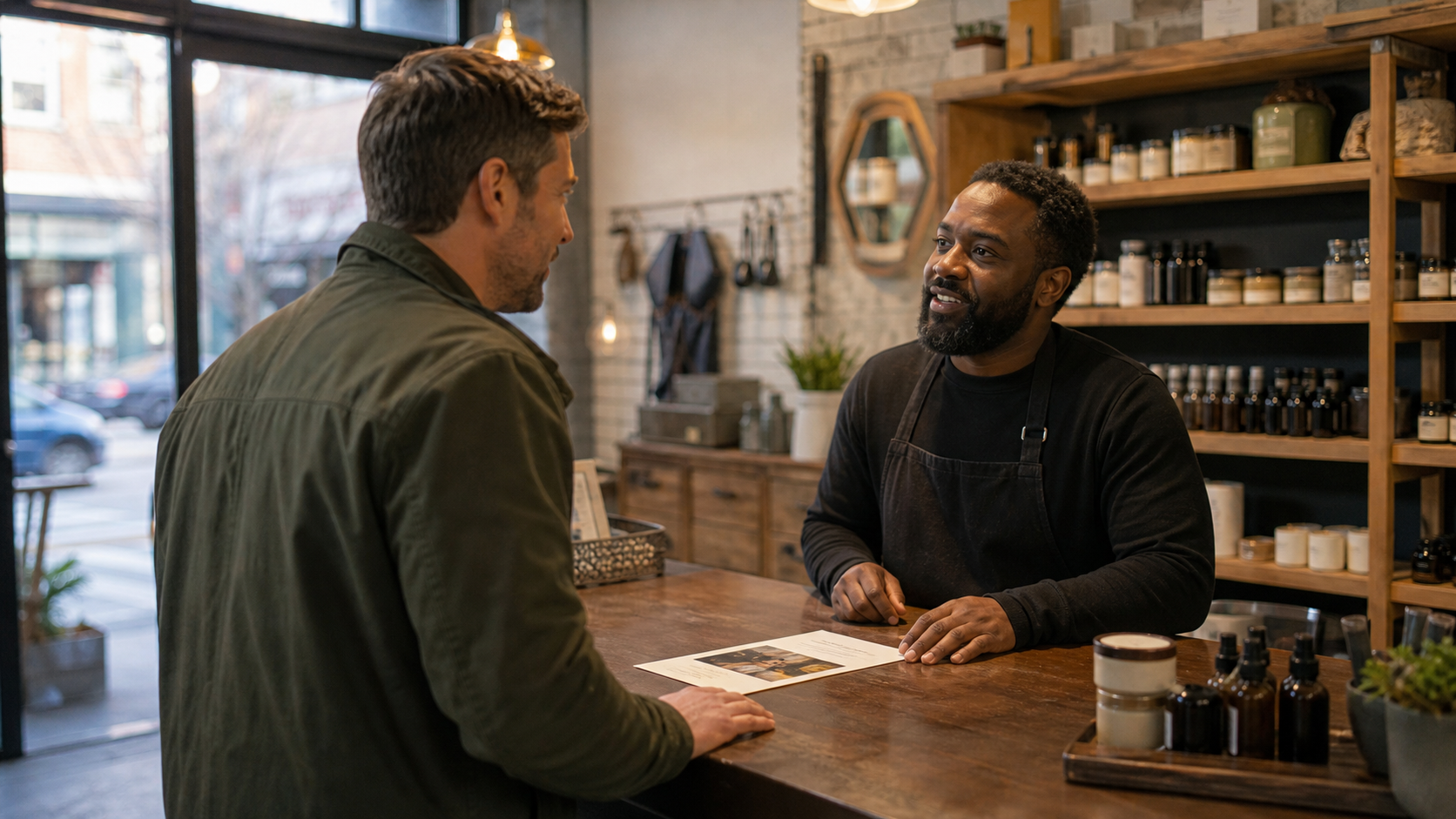
A few practical approaches that work:
- Walk in during off-peak hours and ask for the owner or manager directly. A 10-minute conversation beats a cold email every time.
- Time your ask around their slow season. A tax preparer is far more open in July than in March.
- Reference a shared community tie: "Your office is two miles from our main fields, and most of our families live in that same area."
- Bring a one-page summary, not a full packet. List your audience size, event dates and one tier recommendation with a price and what they get.
Follow up once, politely, within a week. If they pass, ask whether the timing or the tier was the issue. Many businesses that say no in June say yes in September when their budget resets.
What to Offer Sponsors in Return
Sponsors buy audiences. The logo is proof that the deal happened, and what you're selling is access to a specific group of people, in a specific place, repeatedly over a season or a weekend.
Organize your offerings by category when you present them:
- On-site visibility: banners at field entrances or scoreboards, branded canopies, PA announcements between games, signage at check-in tables, logo on printed brackets
- Digital placements: logo on your event website, sponsor callouts in registration confirmation emails, social posts on your league or tournament accounts, logo placement on digital tickets
- Data and reach: a post-event summary showing total attendance, zip codes represented and athlete count by age group (national brands often ask for this by name)
- Experiential activation: a branded booth at the event, product sampling, a giveaway tied to game outcomes, photo moments families want to share
That last category is where you separate yourself from other pitches. A brand that hands a water bottle to a 10-year-old after their game creates a memory. A banner doesn't. Even a small activation footprint opens the door to bigger checks from brands that put in-person engagement ahead of passive placements, a shift laid out in the Gen Z sponsorship playbook.
Keep your delivery promises realistic. Offer only what you can track and report back after the event.
Suggested First-Time Sponsorship Pricing
If this is your first year selling sponsorships, start with the prices below and adjust after your first event. Tie every tier to your audience: divide your title sponsorship ask by total expected attendance. A $2,500 title sponsorship for a 1,000-person tournament works out to $2.50 per attendee.
Per-impression pricing gives you a second way to check those numbers. An impression is one spectator seeing one sponsor placement, such as a banner, a jersey logo, a PA mention or a ticket logo. Multiply your total spectators by the placements each person passes, divide by 1,000 and multiply by your rate per thousand impressions (called CPM). One youth sports pricing guide treats a $15 to $40 CPM range as defensible, with higher rates for exclusive placements and more affluent audiences.
Here's what that looks like. A league that draws 2,000 spectators a weekend for 10 weekends, with each person passing four placements, delivers 80,000 impressions. At a $25 CPM, that inventory is worth about $2,000. Use that number to anchor your title sponsorship ask, then price lower tiers below it based on how many placements each one includes. Charge more for category exclusivity, such as only one dentist or one bank, and adjust your rate after your first event when you have real attendance counts.
One suggested starting point for first-time organizers: charge title sponsors roughly 10-15% of projected registration revenue, co-presenting sponsors half that, and team-level sponsors a flat fee tied to jersey and banner placement only. Your numbers and market will vary, so treat these as first-year suggestions and refine them once you have real results to show.
Here are suggested first-time title sponsorship prices by attendance:
- Under 300 attendees: start with a title sponsorship under $1,000 so sponsors see the return
- 300 to 800 attendees: start at $1,000 to $2,500 for title, backed by strong deliverables
- Over 800 attendees: start at $2,500 and up if you can show geographic reach data
Build a small-business entry point into your first-year pricing. A suggested $150 to $250 supporting tier lets local shops participate without a budget meeting, and those relationships often grow into the kind of youth sports sponsorship commitments that compound the following season.
How to Handle Objections and Close the Deal
Most sponsors who say no are responding to this amount, this timing or this level of certainty. That answer can change.
Here are the most common objections and how to handle them:
- "We don't have budget right now." Ask when their budget cycle resets, then schedule a follow-up before it does. Most businesses plan annually. If you catch them in October, ask for a 15-minute call in January.
- "Your audience feels small." Reframe it. 400 families who live within five miles of their business is a more qualified audience than a radio ad reaching a metro area. Local reach beats broad reach for local businesses.
- "We've never done this before." Offer the lowest tier with no long-term commitment. A $150 entry lets them test it without a board discussion.
- "We need to think about it." Give them a deadline tied to a real constraint like jersey printing. "We're finalizing sponsors by the 15th to get logos to the printer" is a reason to decide, not pressure.
Once a sponsor agrees verbally, send a simple one-page agreement within 24 hours. Include the tier name, price, deliverables, payment deadline and event dates.
Follow up once after sending. If you haven't heard back in five days, a short email is fine. If they go quiet, move on and revisit them next season.
How to Keep Sponsors Renewing Year Over Year
Getting a sponsor to renew is where long-term value builds.
Renewal starts with delivery. Before the season ends, check every promised benefit off your list. If you said three PA mentions, confirm they happened. If you promised a banner at the main entrance, have a photo of it. Sponsors who feel their investment was honored don't need to be sold again next year.
Send a recap within two weeks of your event: total attendance, teams and age groups, zip codes represented, photos of their banner or jersey logo and a note on any activation that ran. That document is what a sponsor shows their manager to make the case for renewing.
Offer early renewal before you open sponsorship to new businesses. A right-of-first-refusal at the same rate is a low-cost perk that locks in committed revenue before your next season starts.
The relationship piece matters more than most organizers expect. A thank-you text from a coach or a photo of kids in the jersey costs nothing and creates goodwill that outlasts any contract.
How Fastbreak Helps Tournaments and Clubs Attract and Retain Sponsors
Fastbreak's products are built around the exact problems that win sponsors over: credibility, audience data and proof of impact.
Fastbreak Ticketing™ puts sponsor logos directly on mobile tickets, so every attendee sees a sponsor's placement before they walk through the gate. Fastbreak Connect™ goes further: Fastbreak's team runs the entire campaign across your events, from on-site ambassadors to product sampling to content capture. That's the kind of experiential brand activation sponsors increasingly expect.
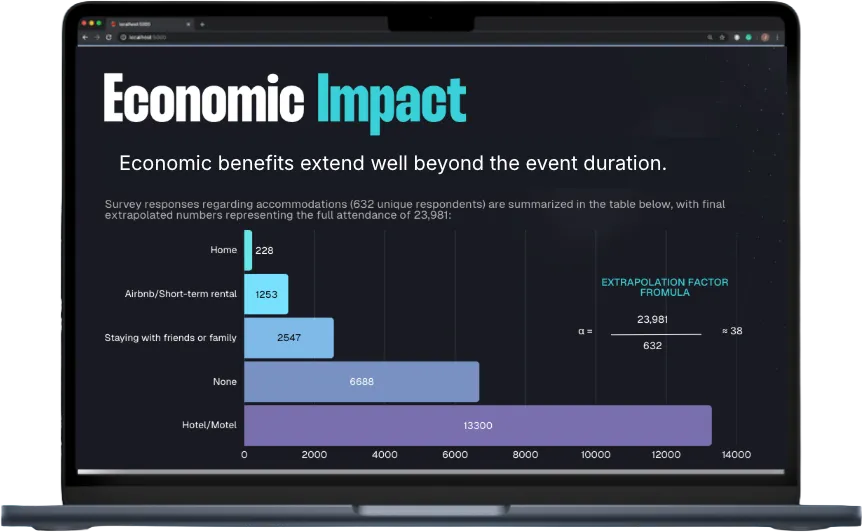
The piece sponsors increasingly demand is proof. Fastbreak Connect's in-event surveys are designed for on-site completion and deliver first-party audience data from the families who attended, including where they're from and how they engaged with a brand.
Your listing in the Fastbreak Event Directory does quiet work before any pitch lands. When a local business finds a professional listing with your name, logo and a direct link into registration, your proposal carries more weight. Sponsors back organizations that look like they have it together, because youth sports events reach an audience brands can't find anywhere else.
Final Thoughts on Building a Youth Sports Sponsorship Program
Teams that land sponsors usually prepare first. Sponsors want a defined audience, clear deliverables and proof after the fact. Give them those three things and renewal conversations get a lot shorter. Talk to the Fastbreak team if you want to see how better event data and visibility can help your next pitch land.
FAQ
How do national sponsorship programs accept applications?
Many national brands run structured programs you can apply to directly, such as community grants, foundation funding and online sponsorship proposal systems. Check each program's application window and submit your registration count, attendance and age groups when you apply. Allow at least three months before your event for formal proposals, since review can take time. For franchise and bottler-based brands, skip corporate and contact the local franchise owner or regional distributor instead, since no single national youth sports application exists for those companies.
What's the best way to get youth sports sponsorship from local businesses near me?
Local businesses convert at higher rates than national brands because their customers are already in your stands. Walk in during off-peak hours, ask for the owner directly, and lead with the audience match: "We had 400 families from [your zip codes] at our fall tournament." Bring a one-page summary with your audience size, event dates and one tier recommendation with a price, not a full packet. Time your ask around their slow season, and always include a low-cost entry tier between $150 and $250 so smaller shops can participate without a budget meeting.
How do I get sports sponsorship for my child's team when the organization has no existing sponsor relationships?
Start by building credibility before you pitch anyone. Create a simple event listing or sponsor page that shows your registration count, expected attendance, age groups and geography. Know your headline stat, such as "800 families across 60 teams last season," so you can lead with something concrete. Then build a tiered package with three or four levels, price each tier against your actual attendance, and name every deliverable by name. A sponsor who can picture "a 4-inch logo on the left chest of every 10U jersey" is far more likely to say yes than one reading vague promises about "logo placement."
Should I apply for a grant or submit a sponsorship proposal?
They serve different purposes. Grant programs fund under-resourced youth programs with financial need, often providing product or grant support rather than cash sponsorship. Formal sponsorship proposal systems suit organized tournaments with defined tiers and audience data, since they ask for a formal submission and need about three months of lead time to review. If your event has strong attendance numbers and a sponsor package ready, a formal proposal is the more direct path. If your program has financial need, pursue grant funding separately from your sponsorship outreach.
How can youth sports programs give a brand repeated exposure with the same audience instead of just one-time reach?
Repeated exposure is one of the strongest arguments you have when pitching a sponsor. A banner at your fields, a logo on team jerseys and PA mentions during pool play all reach the same families across multiple weekends over a full season. That frequency is hard to buy through traditional advertising at the same price. Sponsors who want to go further can run on-site activations through Fastbreak Connect™, where Fastbreak's team manages everything from brand ambassadors to product sampling across multiple events, turning a single relationship into a coordinated program that reaches the same audience again and again.


