






You've got teams registering at different times, brackets that need constant adjustment, housing blocks that don't match your actual headcount, and families asking the same scheduling questions across three different group chats. When those pieces aren't connected, tournament directors spend the weekend managing chaos instead of managing an event. Running a volleyball tournament with Fastbreak AI brings all of that into one place so your registration numbers flow into scheduling, your housing inventory adjusts with confirmed teams, and updates reach families the moment something changes. The difference shows up in how smoothly your staff operates and how confident families feel walking into the venue.
Executive Summary:
- Fastbreak AI unifies registration, scheduling, housing, and communication in one platform for volleyball tournament weekends.
- AI-powered scheduling generates conflict-free brackets across multiple courts in minutes, not hours.
- Fastbreak AI for tournaments helps tournament operators capture per-night-room revenue through stay-to-save blocks.
- Real-time push notifications eliminate confusion when brackets shift or courts change mid-tournament.
Pre-Tournament Registration and Team Management
Registration week sets the tone for everything that follows. When teams encounter confusing forms, slow confirmation emails, or unclear payment deadlines, trust erodes before the first whistle blows. With volleyball participation growing 12.57% year over year, tournament directors are managing higher registration volumes than ever before. Fastbreak's registration workflow solves these challenges head-on.
Fastbreak's registration workflow keeps that from happening. Directors can build custom registration forms, set division caps, and automate confirmation emails so no team falls through the cracks. Payment collection, waiver signing, and roster uploads all happen in one place, cutting the back-and-forth that typically buries tournament staff in the weeks before an event.
Here is what that looks like in practice:
- Custom form fields let you collect exactly what you need, from emergency contacts to coach certifications, without building workarounds in spreadsheets.
- Automated confirmation emails go out the moment a team registers, reducing inbound "did you get our registration?" messages.
- Division caps close automatically once a bracket fills, preventing overbooking without manual monitoring.
AI-Powered Scheduling for Multi-Court Volleyball Tournaments

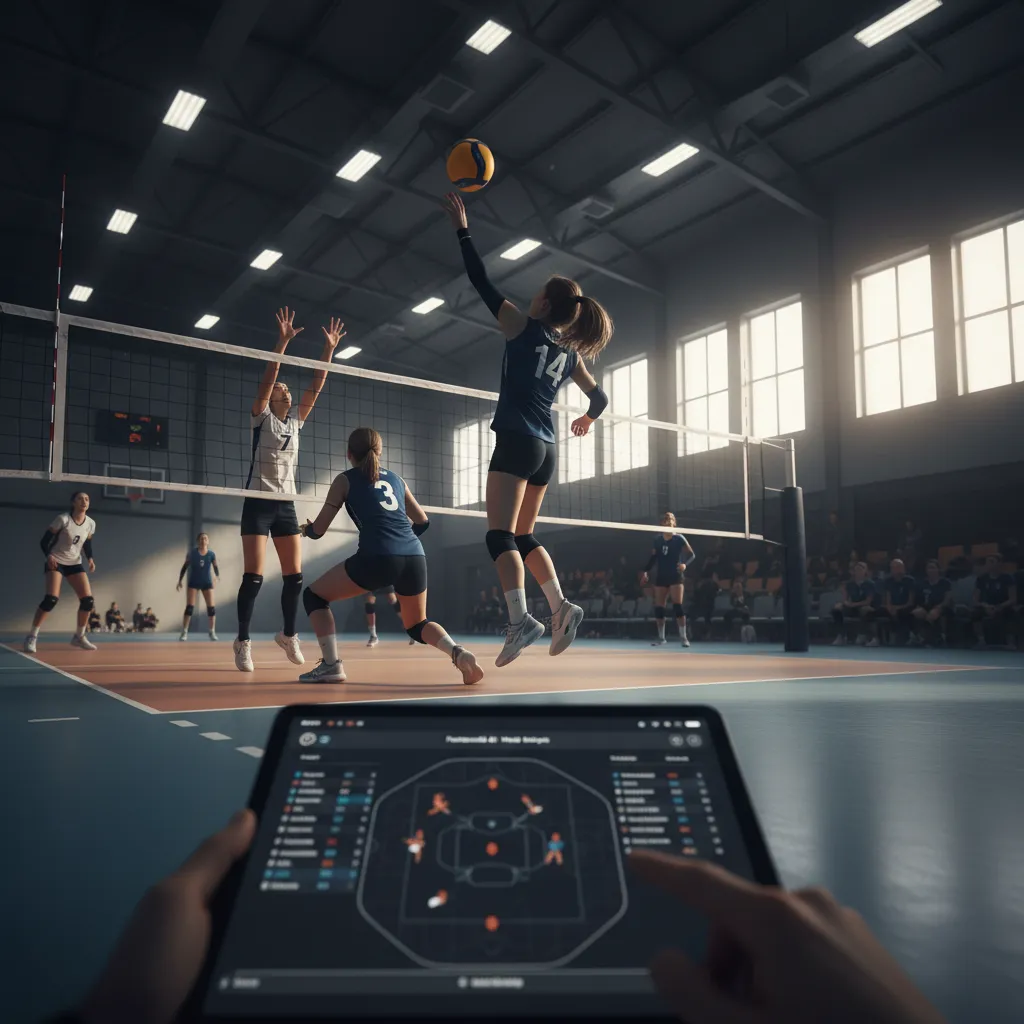
Scheduling a multi-court volleyball tournament weekend is one of the most time-consuming tasks a director faces. Between balancing pool play rotations, managing referee assignments, and avoiding conflicts across six, eight, or even twelve courts, the margin for error is thin and the consequences of mistakes are public. Fastbreak AI handles scheduling logic that would otherwise take hours to work through manually. The software accounts for court availability, team rest intervals, age division sequencing, and referee coverage simultaneously, producing a conflict-free schedule in a fraction of the time. When your volleyball tournament is running on Fastbreak AI, here's what you can expect:
- Pool play brackets are generated with balanced matchups and court rotation so no team plays back-to-back on the same court.
- Playoff seeding updates automatically as scores are entered, removing the manual recalculation step between rounds.
- Schedule changes made mid-tournament, like a delayed start or a forfeited match, are propagated across all affected courts in real time.
So, your staff stays on the floor instead of behind a laptop, which has a direct impact on the experience every team and family walks away with.
Revenue Optimization Beyond Registration Fees
Registration fees cover your costs, but they rarely build your margin. The real revenue in youth volleyball tournaments comes from layered income streams that most organizers leave on the table. Fastbreak AI for tournaments lets you capture hotel rebates from every booking your families make. Depending on your room block size, the per-night revenue can add up fast across a 200-team weekend.
But it's not simply hotel blocks that can fill your tournament coffers. Sponsorship inventory is another underused asset. Court signage, bracket sponsorships, and warm-up slot naming rights all carry real value for local brands looking to reach sports families. Organizers who package these intentionally can see meaningful revenue per event beyond what registration alone produces.
Entry fee tiering also works well here. Early-bird pricing, division prestige pricing, and competitive flight premiums all support premium pricing without requiring more teams on the floor.
Travel Management for Volleyball Tournaments
Stay-to-play requirements have a reputation problem. Many families assume they're being funneled into overpriced hotel blocks. Stay-to-save changes that perception: housing blocks are allocated at rates families often can't find on their own, so compliance becomes a benefit instead of an obligation buried in fine print.
On the operations side, the connection to scheduling runs deeper than most directors realize. As teams register, housing blocks are allocated based on real-time headcount, so room inventory adjusts with actual demand instead of early estimates. When a division fills late or a bracket expands, block size updates without a manual call to the hotel partner. Fastbreak AI for tournaments monitors booking status and flags non-compliant teams automatically, keeping everything clean without requiring awkward follow-up conversations with coaches.
Real-Time Communication and Schedule Updates
When a bracket changes or a court changes mid-morning, the worst version of that news travels by rumor. One parent tells another, someone posts in the wrong group chat, and suddenly your staff is fielding the same question from 40 different families. The Fastbreak AI mobile app replaces that with one push notification. Schedule changes, venue alerts, and bracket updates reach families the moment something changes. No group texts, no Facebook posts, no email chains. Just the right information to the right people before confusion takes hold.
Every question your staff doesn't field manually is time spent running the event instead of explaining it. That improvement in your processes compounds across a full weekend, especially when you're managing multiple courts, age divisions, and overlapping match times all at once.
Measuring Tournament Impact for Future Growth
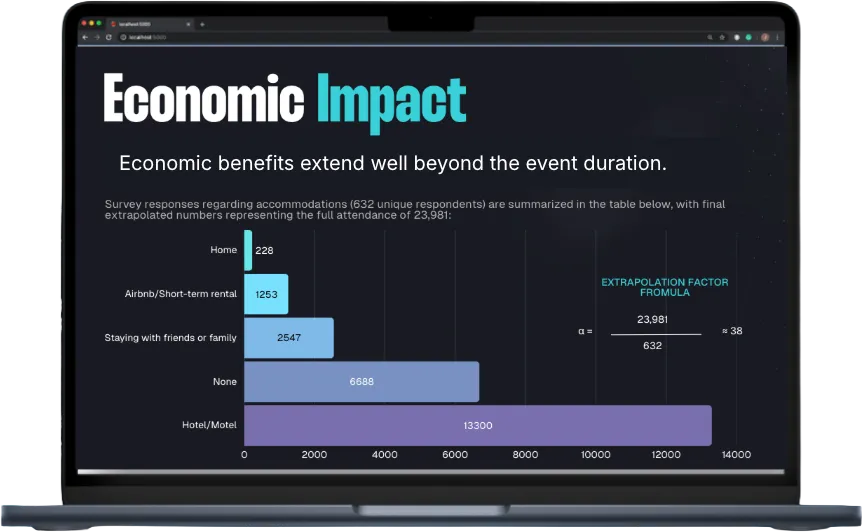
After the final whistle blows and teams head home, the work of understanding what your tournament actually produced begins. Tracking the right metrics after an event gives you the data needed to grow registration numbers, secure better venue deals, and make a case for future grants or city support. Youth sports tournaments generated $52.2 billion in travel-related spending nationwide, making defensible economic impact reporting critical for CVB partnerships.
There are a few key areas worth measuring after every tournament:
- Attendance and team counts broken down by age division, so you can spot which brackets are growing and which need better marketing outreach.
- Hotel room nights generated across your room blocks, since this figure is often the most defensible number when presenting to a Destination Marketing Organization (DMO) or city council.
- Participant spending estimates across meals, retail, and activities, which CVBs use to base their grant decision for future events.
- Registration conversion rates by signup stage, so you can identify where prospective teams drop off before committing.
Collecting this data consistently across multiple tournaments builds the kind of year-over-year picture that helps secure future grants and warrant continued facility access from municipal partners.
Case Study: Ryan Silver, Founder and CEO of Attitude of Gratitude, runs more than 120 youth sports events annually and coordinates schedules for over 1,000 teams in a single weekend across 10 to 15 venues and 25+ courts. Before Fastbreak for tournaments, his team built those schedules by hand in spreadsheets, a process that stretched across multiple days and left staff buried in parent and coach calls once the schedule went live. With Fastbreak's AI scheduling engine, complete conflict-free schedules now generate in minutes. The mobile app became the single source of truth for coaches, parents, and officials (schedules, standings, and court locations all in one place) cutting the volume of inbound questions that previously kept staff reactive all weekend. "We're using Fastbreak to schedule nearly 1,000 teams in a weekend," Silver says. "That's unheard of. But with Fastbreak, it works in minutes." The operational wins that AOG saw in basketball translate directly to volleyball tournament weekends of any size: faster scheduling, cleaner communication, and a staff that can focus on running the event instead of managing the chaos around it.
Running Tournament Operations with Connected Software
Running a multi-day youth volleyball tournament involves dozens of moving pieces happening at once. Court assignments shift, teams check in at staggered times, schedules get updated, and families need answers fast. When those pieces aren't connected, tournament directors spend the weekend putting out fires instead of running a great event.
Fastbreak AI brings registration, scheduling, housing, and communication into one connected workflow. That improvement in your processes lets your staff respond faster, reduce manual errors, and keep families informed without chasing down information across separate systems:
- Registration data flows directly into scheduling, so court assignments reflect actual team counts without re-entry.
- Housing blocks are allocated based on confirmed registrations, reducing the risk of overbooking or gaps.
- Automated messaging keeps families updated on schedule changes the moment they happen.
How Fastbreak AI Powers Youth Volleyball Tournament Weekends

Fastbreak AI's tournament features that define a youth volleyball tournament weekend. Registration, scheduling, housing, communication, and payment processing are woven together inside a single software platform, so your staff spends less time toggling between spreadsheets and more time running a quality event.
The core modules that power a tournament weekend include:
- Registration management that handles team sign-ups, waivers, and roster verification without manual back-and-forth
- Bracket and schedule building that accounts for court availability, age divisions, and pool play formats
- Housing block management where blocks are allocated to teams based on registration data, reducing coordinator workload
- Automated communication tools that push updates to coaches, parents, and officials as conditions change
- Payment processing that tracks deposits, balances, and refunds across every registered team
With connected systems in place, you can accept more teams, respond faster when issues arise, and deliver a more consistent experience across every age group playing that weekend. Volleyball tournament management software makes this possible.
Final Thoughts on Youth Volleyball Tournament Operations
The best tournament weekends happen when your systems handle the repetitive work so your staff can focus on the experience. Managing a youth volleyball tournament with connected registration, scheduling, housing, and communication tools means fewer manual errors, faster responses to changes, and families who know what's happening before they have to ask. So, the results show up in higher registration numbers, better hotel booking compliance, and the feedback you get after the final whistle. If you want to see what that looks like in practice, reach out to us and we'll walk through your next event together.
FAQ
Can I build a full tournament schedule without manually managing court conflicts?
Yes. Fastbreak AI automatically generates conflict-free schedules that account for court availability, team rest intervals, age division sequencing, and referee coverage all at once, producing what would take hours manually in minutes.
What's the fastest way to communicate schedule changes during a tournament weekend?
Push notifications through the Fastbreak AI mobile app reach every affected family the moment a schedule changes, eliminating group texts, Facebook posts, and email chains while keeping your staff focused on running the event instead of answering the same question 40 times.
How do I prove tournament economic impact to secure future city support?
Track hotel room nights generated, participant spending estimates, and team counts broken down by age division, defensible numbers that CVBs and city councils use to base grant decisions and warrant continued facility access for future events.
What revenue streams exist beyond registration fees for volleyball tournaments?
Hotel rebates capture per room night revenue across your stay-to-save blocks, sponsorship inventory includes court signage and bracket naming rights, and entry fee tiering through early-bird pricing and competitive flight premiums all layer revenue without requiring more teams on the floor.
Fastbreak AI for tournaments vs managing separate registration and scheduling platforms?
Fastbreak AI connects registration data directly into scheduling so court assignments reflect actual team counts without re-entry, while separate platforms force you to manually sync spreadsheets and risk errors across every function from housing to communication.


