


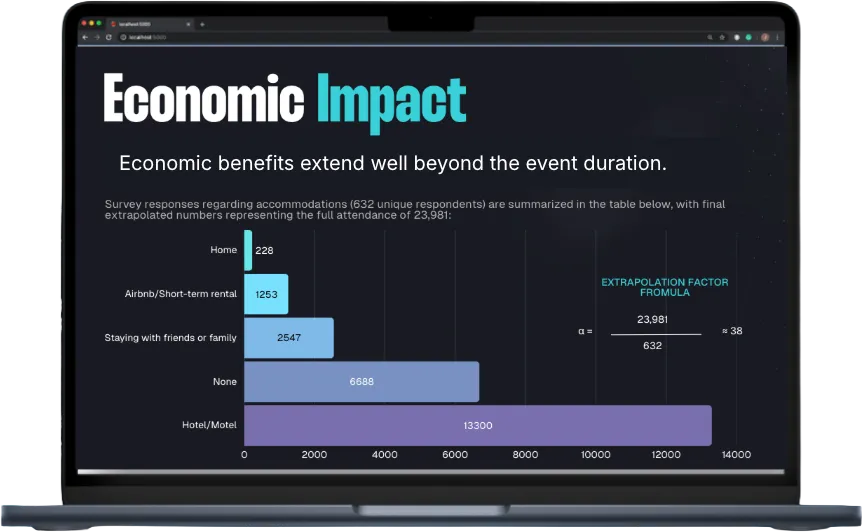





Most tournament directors spend a big chunk of every event on scheduling alone, and that manual workload caps how many teams they can accept. Directors using Fastbreak AI break through that ceiling by automating bracket generation, registration tracking, and team communication. The result is fewer admin hours, fuller events, and teams that keep coming back because the experience feels worth the cost.
Executive Summary:
- Basketball tournaments fill when registration, scheduling, and communication run friction-free.
- AI scheduling builds brackets in minutes from the rules you set, instead of the hours manual processes require.
- Fastbreak Travel, which operators can add to any event, earns rebates on room nights booked in their blocks to help keep fees competitive.
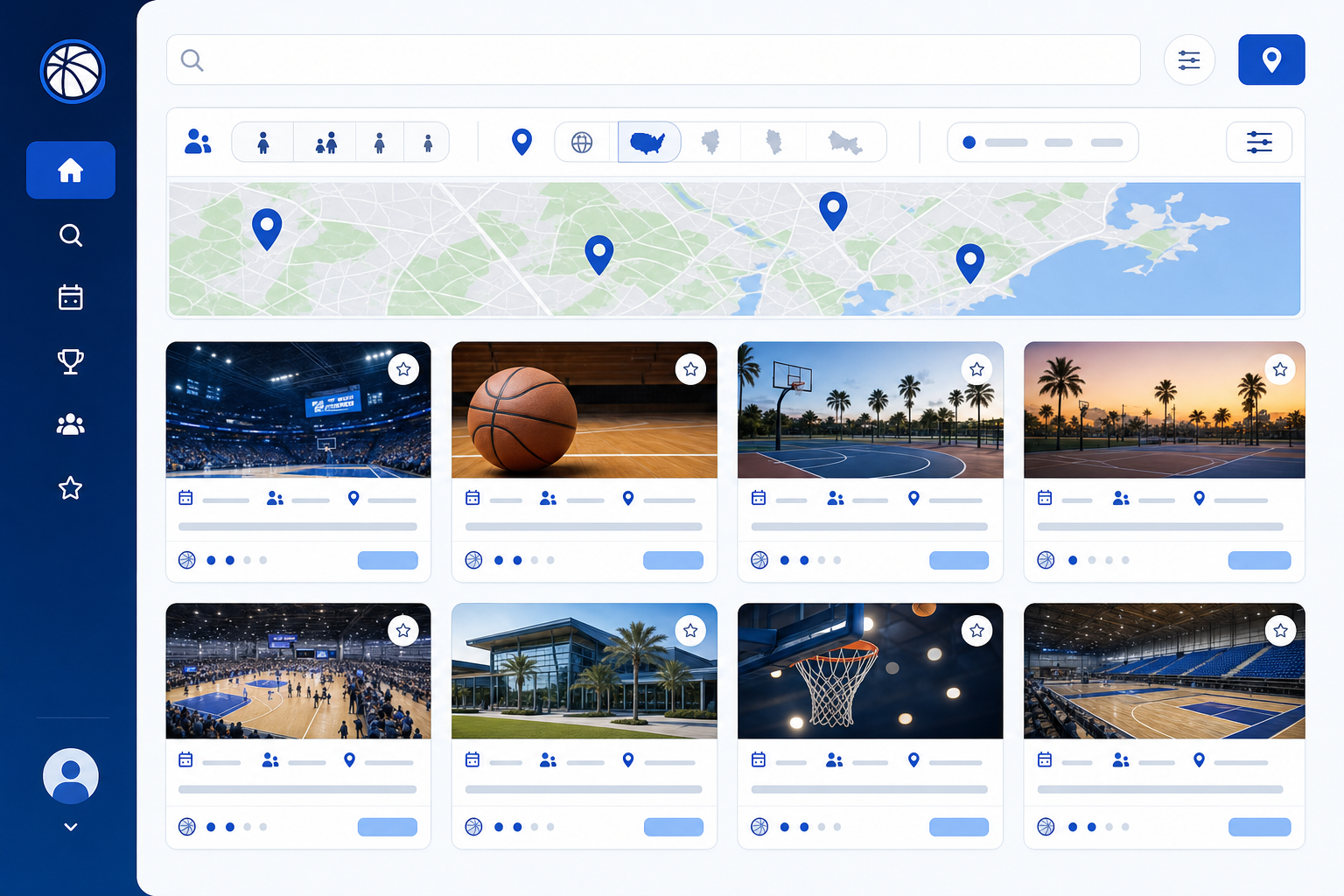
- The Event Directory connects tournaments with qualified teams actively searching for competition.
- Fastbreak AI for Tournaments is built on the same scheduling technology Fastbreak uses for professional leagues like the NBA, NHL, MLB and MLS.
Why Basketball Tournament Directors Struggle to Fill Events
Filling a basketball tournament takes more than booking a gym and posting on social media. Directors are juggling registration logistics, team communication, hotel coordination, and sponsor outreach, often with small staff and tight timelines. When any one of those pieces lags, teams lose confidence and register elsewhere.
The registration process alone creates friction at multiple points. Confusing payment flows, slow response times to team inquiries, and a lack of real-time roster visibility can cause teams to drop off before they ever commit. Word travels fast in youth sports communities, and a rough registration experience has an impact on whether a director can attract repeat teams the following season.
Many directors aren’t losing to better tournaments. They’re losing to better-run tournaments.
The Real Cost of Manual Basketball Tournament Scheduling
That scheduling burden adds up fast across a full season, and it comes at a real cost in some predictable ways:
- Spreadsheet scheduling requires constant manual updates whenever a team drops, a gym becomes unavailable, or bracket sizes shift late in registration.
- Registration tracking across email threads and forms creates gaps where teams slip through without confirmation or follow-up.
- Communication falls on the director personally, with no automated reminders to reduce no-shows or last-minute withdrawals.
- Filling open spots after cancellations means starting outreach from scratch, often too late to replace the revenue.
The downstream effect is a registration ceiling that has nothing to do with demand. Directors who could fill 48 teams stay capped at 32 because the administrative load of going bigger feels unmanageable. That gap between capacity and actual enrollment is where tournament revenue quietly disappears.
- Bracket generation: Manual: hours of spreadsheet updates, manual balancing, and conflict resolution. Fastbreak AI: minutes to build brackets from your rules, with conflicts flagged before you publish.
- Registration tracking: Manual: email threads and form responses tracked by hand. Fastbreak AI: automated registration flow with real-time roster visibility and instant confirmation to teams.
- Team communication: Manual: the director personally handles every update. Fastbreak AI: schedule and bracket updates reach teams in the Fastbreak App throughout the event.
- Capacity limits: Manual: an administrative ceiling caps events at 32 teams even when demand exists for 48. Fastbreak AI: scale to 48+ teams without expanding administrative staff or time investment.
- Revenue opportunities: Manual: registration fees alone. Fastbreak AI: hotel rebates through Fastbreak Travel, added to any event.
- Team discovery: Manual: social media posts and paid advertising. Fastbreak AI: Event Directory exposure connecting tournaments with qualified teams by region, age group, and competitive level.
How Registration Friction Causes Basketball Teams to Drop Off
According to the Aspen Institute's State of Play 2025 report, youth sports costs have risen 46% since 2019. With that kind of money on the line, families assess every tournament carefully before committing. A clunky registration flow, a checkout that times out, or an event page that doesn't answer basic questions about format can send them to a better-organized event instead. The problem compounds for coaches registering multiple teams. When the process requires repeated data entry, manual back-and-forth, or unclear payment steps, drop-off happens before a single roster is locked in. Here are the most common friction points that cause teams to withdraw:
- Checkout flows that time out or require account creation before a team can even see pricing details.
- Event pages that leave coaches guessing about bracket format, age divisions, or refund policies.
- No clear confirmation or communication after registration, leaving coaches uncertain their spot is secured.
AI-Powered Scheduling That Builds Competitive Brackets in Minutes
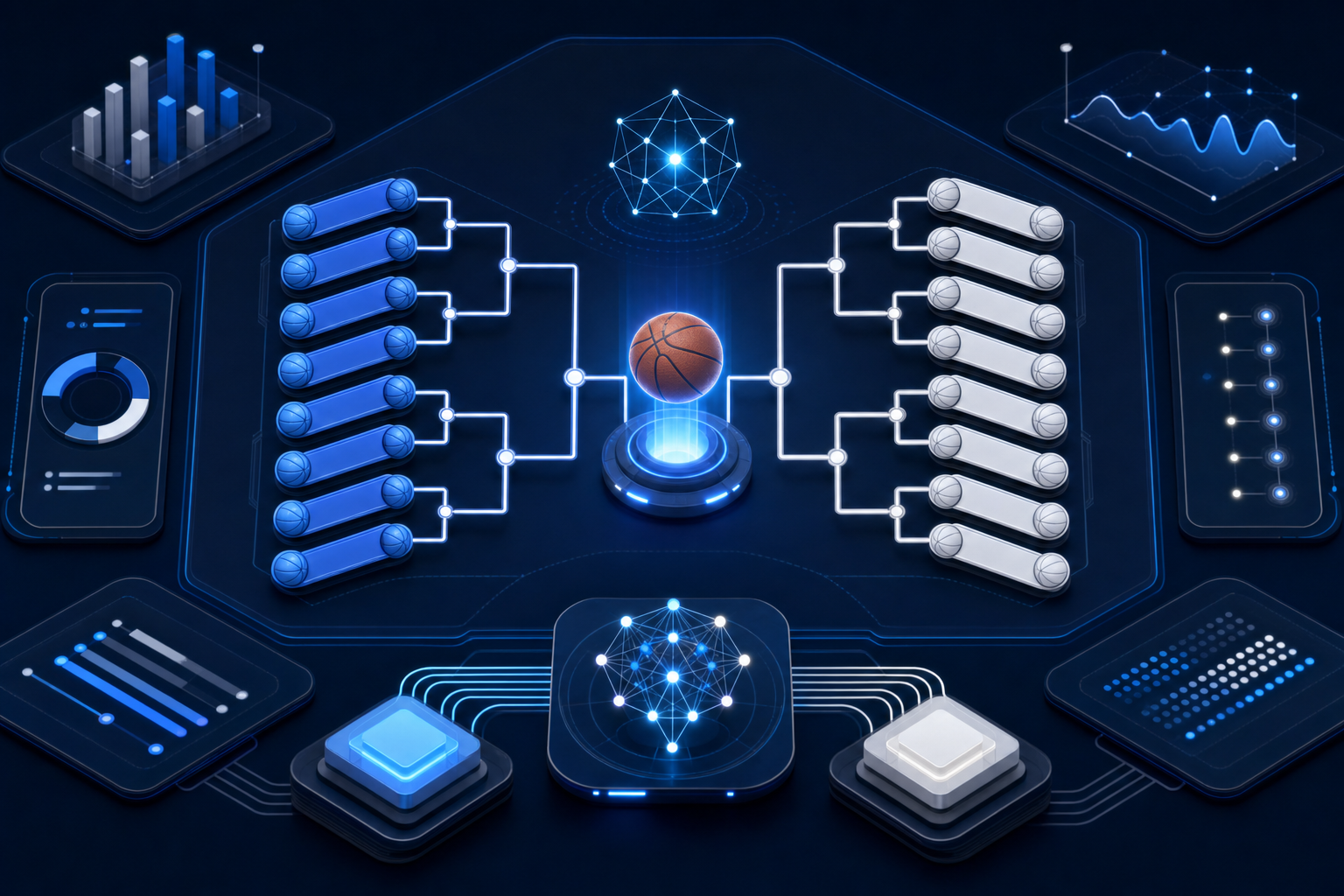
Bracket generation is one of the most time-consuming parts of running a tournament, and doing it manually leaves room for errors that frustrate coaches and directors alike. 75% of youth sports clubs use software for athlete performance monitoring, scheduling, and team management in 2026, reflecting how widespread technology adoption has become across youth sports operations. AI-powered scheduling handles this process automatically. Fastbreak AI builds pools and brackets in minutes from the rules you set, like court hours, age divisions, guaranteed games and coach requests, and flags any it can’t meet before you publish. That improvement in division and pool assignment processes lets directors spend less time wrestling with spreadsheets and more time focused on growth and experience quality. Scheduling conflicts that once took hours to untangle get resolved before they ever surface.
Here’s what the scheduling engine accounts for:
- Court and gym hours you set for each venue
- Age divisions and guaranteed games per team
- Conflict detection that flags gym overlaps, timing issues, and court availability before the schedule is published
Creating Better Basketball Tournament Experiences That Teams Return For
Tournament directors who fill rosters year after year share one common trait: they treat registration as the beginning of the experience instead of a transaction. Teams assess events as financial investments, and every friction point in the process has an impact on whether they come back. And the registration experience matters more than most directors realize. Confusing forms, slow communication, and disorganized bracket updates signal execution issues before a single game is played. In contrast, a clean registration flow, timely automated updates, and a well-structured tournament schedule tell teams your event is worth the cost. Here is what separates tournaments that drive repeat team registration from those that constantly chase new registrations:
- A frictionless sign-up process reduces the hesitation that causes teams to drop off before completing registration.
- Proactive communication after registration builds confidence that the event is well-managed.
- Consistent scheduling and bracket updates throughout the season reinforce that teams made the right choice.
The Event Directory Advantage for Basketball Tournament Visibility
Revenue Streams That Keep Basketball Tournament Costs Low for Families
Tournament directors face a constant balancing act: keeping registration fees competitive while covering venue costs, staffing, and logistics. Fastbreak helps close that gap with revenue streams operators can add to any event.
Fastbreak Travel sources, contracts and manages hotel blocks and gives families secure booking links. When families book rooms in the tournament’s blocks, directors earn rebates that offset event expenses. Those rebates can reduce what gets passed on to families in the form of higher fees, making the tournament more accessible and attractive to a broader pool of teams.
Here is what that looks like across a typical event cycle:
- Housing rebates come in as families book within your blocks, and you can see reservations and room block pickup in real time.
- Lower overhead from rebate income can support more competitive registration pricing, which encourages earlier commitments and fuller brackets.
- Families assess the total cost of attending an event, and a director who keeps fees reasonable while delivering a quality experience with reliable youth sports tournament software builds the kind of reputation that drives repeat registration year over year.
How Fastbreak AI Helps Basketball Tournament Directors Fill More Teams
Every piece covered here connects back to one reality: teams choose tournaments that are easy to enter, well-organized, and worth the cost. Fastbreak AI basketball tournament software is the platform that makes all of those things achievable together. Consider Romeoville Live, the Midwest’s premier basketball showcase, which grew by pairing strong competition with a pro-level experience that kept top talent and college recruiters coming back each year. Or Attitude of Gratitude, managing 1,000+ team tournaments using AI scheduling without growing its administrative footprint.
The path from half-filled brackets to a consistently oversubscribed event comes down to removing friction, building quality into every touchpoint, and connecting the systems that normally force directors to choose between growth and sanity. Registration, scheduling, communication, revenue: when those run as one connected system, filling your event stops being the problem you spend the most time solving.
Final Thoughts on Building Basketball Tournaments Teams Actually Return For
You’re not losing teams to better competition. You’re losing them to events that run smoother, communicate faster, and make registration feel like less of a gamble. When you bring Fastbreak AI into your operation, you stop spending hours on scheduling and start building the kind of experience that drives repeat registration. Get in touch to see what that looks like for your next event.
FAQ
Can I build a basketball tournament without a full-time staff?
Yes. Fastbreak AI handles registration, scheduling, bracket generation, and team communication automatically, so directors can run multi-division tournaments without expanding their administrative team.
How does AI scheduling compare to building brackets manually in spreadsheets?
AI scheduling builds brackets in minutes from the rules you set, like court availability, divisions and coach requests, and flags any it can’t meet. Manual spreadsheet scheduling requires constant updates when teams drop or venues change, often taking hours per event. The difference is speed, accuracy, and the ability to scale without added workload.
What’s the fastest way to increase basketball tournament revenue without raising team fees?
Add a managed hotel block program. When families book through your event’s blocks, you earn rebates that offset venue and day-to-day costs. Fastbreak Travel sources and manages the blocks for you and shows you pickup and rebates in real time.
How do I get my basketball tournament found by more teams?
List your event in a directory where coaches and team managers are already searching for tournaments by region, age group, and competitive level. The Fastbreak event directory gives tournaments direct exposure to decision-ready registrants without requiring paid advertising or social media campaigns.
When should I switch from my current basketball tournament software?
If you’re spending hours per event on manual scheduling, losing teams to registration friction, or hitting a capacity ceiling because managing more teams feels unmanageable, a connected platform can remove those barriers. Directors who could fill 48 teams but stay capped at 32 due to administrative load are the clearest fit for a shift to AI-powered tournament management.


