






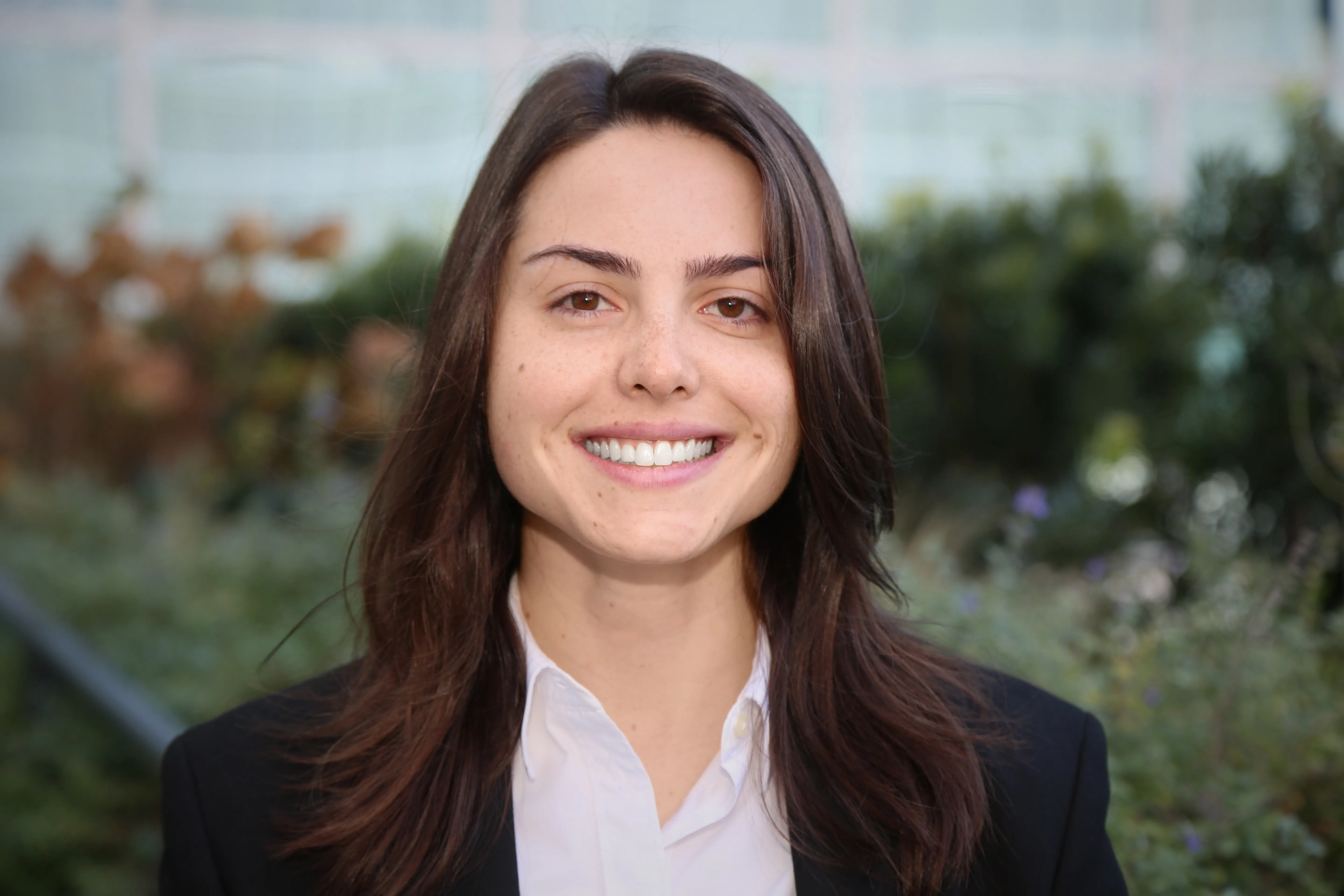
Livis Freeman has spent two decades helping professional athletes build charitable identities and give back with purpose. He is also a professor of sports communication at UNC Chapel Hill. In this conversation, he gets into what separates real sports philanthropy from publicity, how social media has changed athlete activism, and why the athletes and organizations that build something lasting always start with the same thing: knowing why they are doing it.
1. Briefly share your background.
I graduated from UNC, the only school I applied to. I am a Tar Heel through and through.
I went in wanting to be a pharmacist, ended up as a psych major, and am now a professor teaching public relations and sports communication. You never quite know how these things are going to work out.
A couple of years after graduating, I started my sports community relations company, 4ourFans, to help professional athletes build their charitable identities, discover how they want to be known for giving back, and maximize their giving while strengthening their marketability. I have been fortunate to work with some of the biggest names in the game, especially in Tar Heel Nation. Jerry Stackhouse was my first client, followed by Antawn Jamison, Brendan Haywood, Juwan Howard, several PGA golfers, and many others.
I started teaching twelve years ago as an adjunct instructor, not fully knowing what that even meant at the time, and have since become the school's Distinguished Professor for Sports Communication. I also run our school's Chuck Stone Program and recently began teaching sports business at the Kenan-Flagler Business School.
2. You've spent two decades helping athletes build their charitable identities. There's a big difference between an athlete who writes a check and one who actually builds something lasting in their community. What separates the two — and what does real sports philanthropy look like when it's done right?
That is what I have based my career on and what I am writing my textbook about.
For me, the defining factor is whether athletes are doing it for the right reason. I have worked with players who genuinely had a calling, who wanted to help those less fortunate, make a difference in their hometowns, and truly give back without any concern for what it might do for their brand. I have also had clients who came to me specifically to build their image or recover from a public misstep. I have fired clients over that and turned down money because of it. That is a hard thing to do, but you cannot compromise your principles.
The athletes who do it right tend to have a clear personal connection to the cause. Jerry Stackhouse lost two sisters to diabetes-related complications, and both of his parents were diabetic. For him, supporting diabetes awareness was never a branding exercise. Brendan Haywood grew up in a single-parent household and wanted to help kids from similar backgrounds. The motivation was already there before I ever got involved.
Then there is Antawn Jamison, who did not have that defining personal experience when we first started working together. For years, we partnered with multiple organizations to find what genuinely fit. The moment that clicked came during the NBA All-Star Game in New Orleans, right after Hurricane Katrina. We were building a playground in the rain, and Antawn leaned over and said this is it, this is what I want to do. I want to help kids have a safe space to play. Discovering that with him in that moment was one of the best moments of my career.
There is also what I call the social capital component. Athletes are highly visible targets. When something goes wrong, public perception follows their reputation. Those who have invested in genuine community work tend to be given the benefit of the doubt. Doing it for the right reason and building real goodwill are not mutually exclusive. They are complementary.
3. Social media has made athlete activism more visible than ever — but it's also made it easier to perform activism without doing the work. How do you counsel athletes on the difference between using their platform for real community impact versus getting ahead of a news cycle?
There is actually a term for this. Athletes who advocate on social media without doing the actual work are called “hashtavists,” people who retweet a cause or forward content and consider that their contribution. Spreading awareness is still something. If you have a large following and you are surfacing a cause to people who might actually donate or volunteer, that has genuine value. But it is not the same as being intentional about impact.
The athletes who make a real difference are the ones who go further and partner directly with organizations rather than simply amplifying them. I counsel college athletes, and now increasingly high school athletes, as NIL has opened things up, to do their homework before attaching their names to anything. You could become associated with something harmful if you do not vet it first.
My advice is to start with proximity. Think about your hometown, your college town, your pro city. Focus on causes that are close to you geographically and personally. Do not say yes to everything that comes your way. Keep it focused on two or three organizations and build from there. When you do commit, find ways to add real value beyond a post, whether that is a partnership, a community event, or some kind of shared initiative that benefits both parties. That is where lasting impact and genuine brand equity get built together.
4. Many athlete foundations fade out once the playing days end. What does it take to build something in the community that actually outlasts an athlete's career?
This question takes up a significant section of my textbook, specifically around how to sustain impact, when to evolve your approach, and how to stay relevant in the community when the playing days and the large contracts are behind you.
Antawn Jamison invested in building playgrounds across the country during his career. By the time he stopped playing, he had already made a substantial impact. The work then becomes identifying what the next chapter looks like. For Antawn, we shifted toward mental health support for college students, and most recently, he shot a campaign for organ donation in North Carolina. The specific cause has evolved, but the commitment to community has not.
On the question of foundations specifically, I actually discourage athletes from starting their own. Running a foundation is a full-time operation, and finding someone you truly trust to manage it is genuinely difficult. Every dollar that goes in is a matter of public record, and the dynamics among staff, family members, and governance can quickly become complicated. It is far more efficient to build a community relations strategy and partner with established nonprofits that are already doing the work well. Find one that aligns with what you care about, donate, show up, and build a real relationship over time.
The athletes whose work outlasts their careers are the ones who build their giving around a cause that genuinely matters to them rather than around their celebrity status. The celebrity may fade. The cause does not have to.
5. NIL changed everything for college athletes overnight. Suddenly, 18-year-olds are managing brand partnerships, social media strategy, and public image without the infrastructure pros have. What are the biggest risks you see for young athletes navigating brand deals before they've had the chance to figure out who they are?
The biggest risk is on the business side, specifically the absence of experienced, trustworthy advisors who are genuinely working in the athlete's interest.
NIL launched without a real playbook. Marketing professionals who had worked with professional athletes jumped into the space, claiming expertise, but no one could credibly be an expert in something that had just started and where the rules were still being written. Many of these athletes ended up relying primarily on their parents for guidance, and while the intentions were good, the advice was often not well-suited to the complexity of what they were navigating.
In the early days, athletes tended to accept whatever came to them, regardless of whether the brand aligned with their values or served their long-term interests. The conversation about identity and fit simply was not happening. That has improved, but there is still considerable ground to cover.
One area I emphasize consistently is the contract side. Brands put agreements in front of these athletes, and when someone has grown up without many resources, the instinct is simply to sign. That can create real problems down the road, including restrictions, obligations, or reputational associations they did not fully understand when they agreed to them.
The athletes who navigate NIL well are consistently the ones who had strong guidance early, parents or mentors who understood the landscape and helped them build their public presence thoughtfully before it became transactional.
6. Athletes now build their own audiences before they ever turn pro. What's the biggest shift you've seen in how athletes communicate directly with fans — and what does it mean for traditional sports media?
The moment this shift became undeniable for me was when Cole Anthony arrived at Carolina. He came in with more social media followers than the entire university's athletics accounts combined. When the communications staff went to conduct media training with him, the question was no longer how to teach him to speak with reporters. The question then became, how do you advise someone who is already speaking directly to millions of people every single day?
That is the fundamental change. The gatekeeping model that defined sports media for decades is effectively gone. Before, sports organizations and media outlets controlled access. You could shape what an athlete said in press conferences and interviews because those were the only available channels. Now, athletes communicate directly with their audiences, and there is less of a filter between what they say and who sees it.
That direct access is genuinely powerful when used well. An athlete who understands their platform can control their own narrative, respond in real time, and develop a relationship with their audience that no media outlet can replicate. The challenge is that using it well is a high bar to clear, and the pressure to respond quickly often conflicts with saying something thoughtful. I would always rather wait and say the right thing, or say nothing at all, than put something out quickly and spend weeks managing the fallout.
For traditional sports media, this represents a structural challenge that is not going away. Journalists once served as the essential translators between athletes and fans. Now, athletes do that translation themselves. The ongoing value of sports journalism has to come from analysis, context, and the kind of access and investigation that athletes cannot provide on their own, not simply from conveying what someone said.
The broader concern I have is that student-athletes are increasingly expected to function as influencers, whether or not they want to. Follower count has become a form of income, which means athletes who are not naturally comfortable on social media are still being pushed to build a public persona. When they do that without proper guidance, the risk of a damaging post or ill-timed comment is significant, and the consequences can follow them for years. That is an enormous amount of pressure to place on someone who is also supposed to be competing at a high level and earning a degree.
7. AI is reshaping how sports content is produced and distributed. Where do you see technology taking the relationship between sports, media, and fans over the next decade?
I see this moving in two distinct directions. On the production side, there have already been experiments with AI-generated play-by-play for radio broadcasts, and I know there is more they are testing that we are not privy to yet. Listeners frequently can't tell the difference. As AI-generated commentary becomes indistinguishable from human commentary at scale, the impact on jobs in sports media will be substantial.
The second direction, and I believe the more consequential one over time, is the question of authenticity and trust. We are already living in a media environment where it is increasingly difficult to verify what's real. The generative AI deepfake problem started with video, but it has extended to text, audio, and now to fully fabricated personas. A media outlet recently disclosed that one of its regular contributors was entirely AI-generated. I have little doubt that this is happening in other places that have not yet come forward.
AI used responsibly will genuinely improve the quality and speed of content production. Journalists who use these tools well will be able to do more, faster. But the question of attribution, how much of a piece of work came from the writer and how much from the machine, is going to reshape expectations around craft, credibility, and authorship in ways the industry has not yet fully worked through.
8. You have worked alongside NBA champions, NFL players, PGA pros, and a two-time heavyweight boxing champion. What's the one thing you have learned from these athletes that has stuck with you?
Find what matters to you, pursue it with intention, and everything else follows.
Every athlete I have worked with who built something meaningful, whether in the community, with their brand, or beyond their sport, did it by first getting honest about what genuinely mattered to them. That process of helping them find that answer taught me something about myself.
Watching athlete after athlete discover their purpose and commit to it, I realized I was doing the same thing alongside them. The moment I recognized that the work I cared most about was the teaching itself, the classroom became even more important to me. You have to be clear about why you are doing what you are doing.
That clarity, knowing what actually matters to you versus what you are doing out of habit or obligation, is the single most important thing I try to pass on to every athlete and every student I work with. Whether the question is about building a foundation, navigating NIL, or simply deciding what you want to stand for, it all begins with understanding why you are doing it in the first place.
9. What's your favorite sports moment, on or off the field?
Right now, it has to be when Seth Trimble hit that shot for Carolina last semester. I was courtside, and I almost did not go.
I had made a personal rule not to attend Carolina-Duke games after we lost on a buzzer-beater the last time I was there in person. I was already settled on the couch, ready to watch from home. Antawn Jamison called from Charlotte, told me he was already on his way, and made clear I was going with him. I tried to argue. He pulled up anyway.
When the shot went in, Antawn and I were right there. Someone later put together a photo sequence of that moment, and you can see the two of us watching, heads tilted forward, completely locked in. It captures everything about what that relationship has meant over the years. The friendship, the fandom, the shared history. Right now, that is the one.
The Game Behind the Game
Livis Freeman has spent two decades at the intersection of professional sports and community impact, helping athletes understand not just what to give, but why to give it. The thread running through everything he does, whether advising a professional athlete on their charitable identity, counseling a college player on NIL, or teaching the next generation of sports communicators, is that purpose has to precede platform. The athletes and organizations that build something lasting are the ones who start with a genuine reason.
That same principle sits at the heart of what Fastbreak AI builds. Amateur sports are sustained by people who show up for the right reasons, tournament directors, club administrators, coaches, and families who care more about the experience than the spotlight. Fastbreak AI gives those people the technology to run better events, serve their communities, and build something worth coming back to.
About Top of the 9th
Top of the 9th is a Fastbreak AI original series featuring the athletes, organizers, and operators who make youth and amateur sports exceptional.


