






You can't reduce hotel costs for families if your scheduling software doesn't know about housing requirements until after teams register. That's the core difference between team travel software that treats lodging as a planning input versus platforms that add it on later. We assessed five solutions based on whether they model hotel nights alongside venue availability and bracket logic or require you to handle travel logistics separately.
TLDR:
- Team travel software solves stay-to-play compliance and housing logistics for multi-day tournaments with 200+ teams across multiple venues.
- Integrated platforms model hotel requirements alongside scheduling before registration opens, reducing overnight stays and costs for families.
- Real-time bi-directional portals connect organizers and hotels to the same data, eliminating manual rooming list reconciliation.
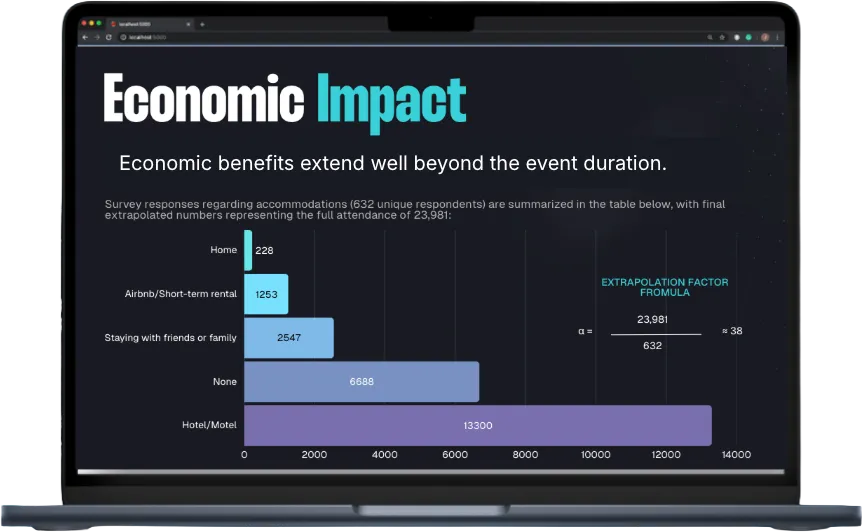
- Direct hotel rebates average $12 per room night, stacking with ticketing and sponsorship revenue to generate $50k+ per large event.
- Fastbreak AI schedules 1,000+ teams using NBA-level optimization math while managing housing, ticketing, and compliance in one system.
What Are Team Travel Coordination Tools for Multi-Day Tournaments?
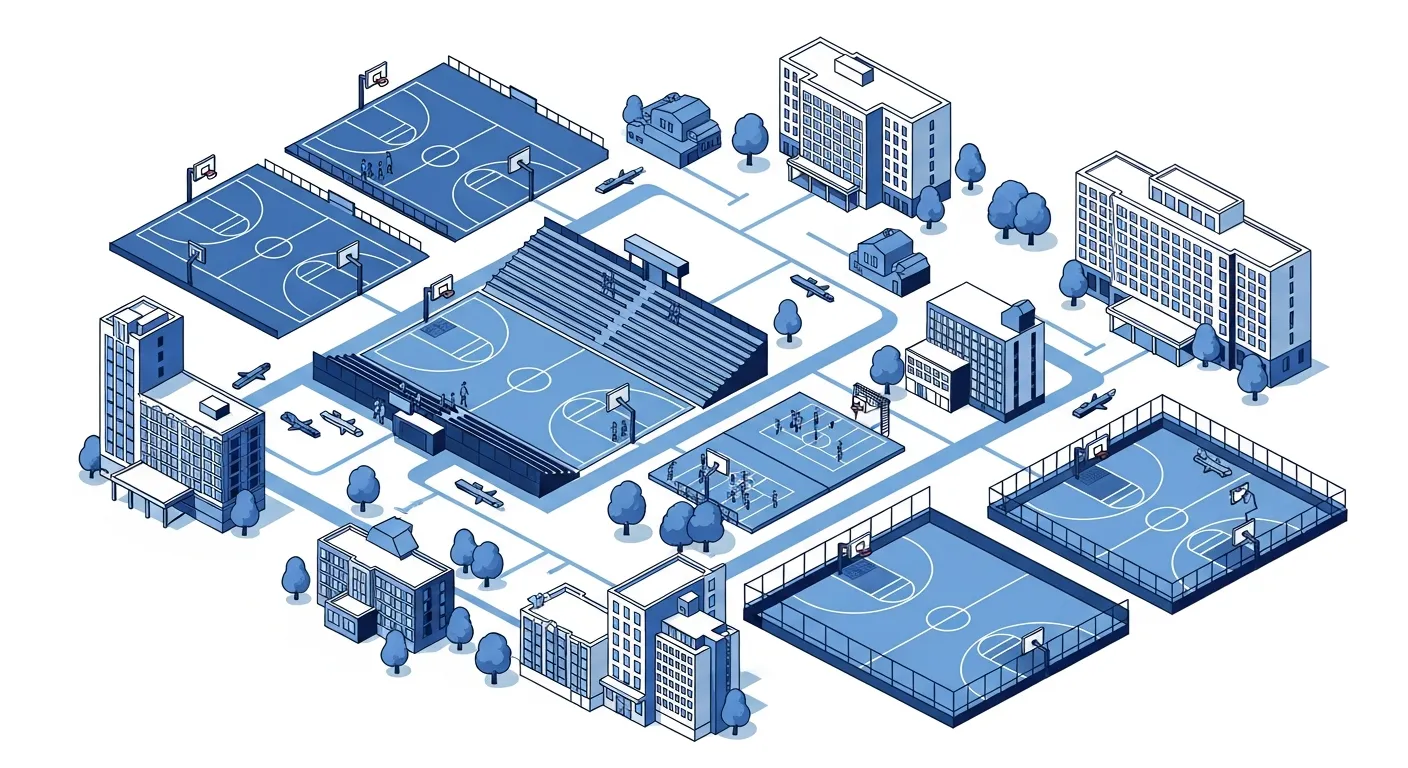
Team travel software handles the moving parts of getting dozens or hundreds of teams to the same place for a multi-day event. At the most basic level, these solutions manage hotel bookings, track which teams have secured housing, and help tournament directors meet stay-to-play requirements without drowning in spreadsheets.
The scope varies widely. Some solutions are just booking engines that let teams reserve rooms from a pre-negotiated block. Others function as full tournament management suites, connecting housing status to registration, scheduling, and payment tracking in one system.
The core value, though, is centralization. When you're running a 200-team basketball tournament across 12 venues, you need visibility into which teams have booked travel, which age groups need more hotel inventory, and whether late checkouts will conflict with Sunday morning brackets. Team travel software answers those questions in real time without manual tracking.
Most solutions also handle compliance. Stay-to-play programs require teams to book a minimum number of room nights to participate. The software tracks that automatically, flagging teams that haven't met the threshold before registration deadlines close.
Communication is also an important feature. Families need venue locations, check-in instructions, and schedule updates. Coaches need rooming lists. Hotels need final counts. These tools centralize that flow so you're not fielding 300 emails the week before the event.
How We Ranked Team Travel Coordination Tools
This ranking assesses solutions based on their ability to solve the day-to-day challenges tournament directors face when managing multi-day events. We looked at five core areas:
- Native integration between tournament operations and housing management
- Real-time compliance tracking for stay-to-play requirements
- Schedule optimization that accounts for travel constraints
- Revenue generation through hotel rebates and ancillary services
- The technical architecture that connects these functions
We focused on publicly available information about feature sets, customer use cases, and how each solution handles data flow between modules. The goal was to assess how each option serves organizational needs, from basic housing booking to full event management with revenue stacking. Solutions that connect more moving parts in one system ranked higher than those requiring multiple disconnected tools.
Best Overall Team Travel Coordination Tool: Fastbreak AI
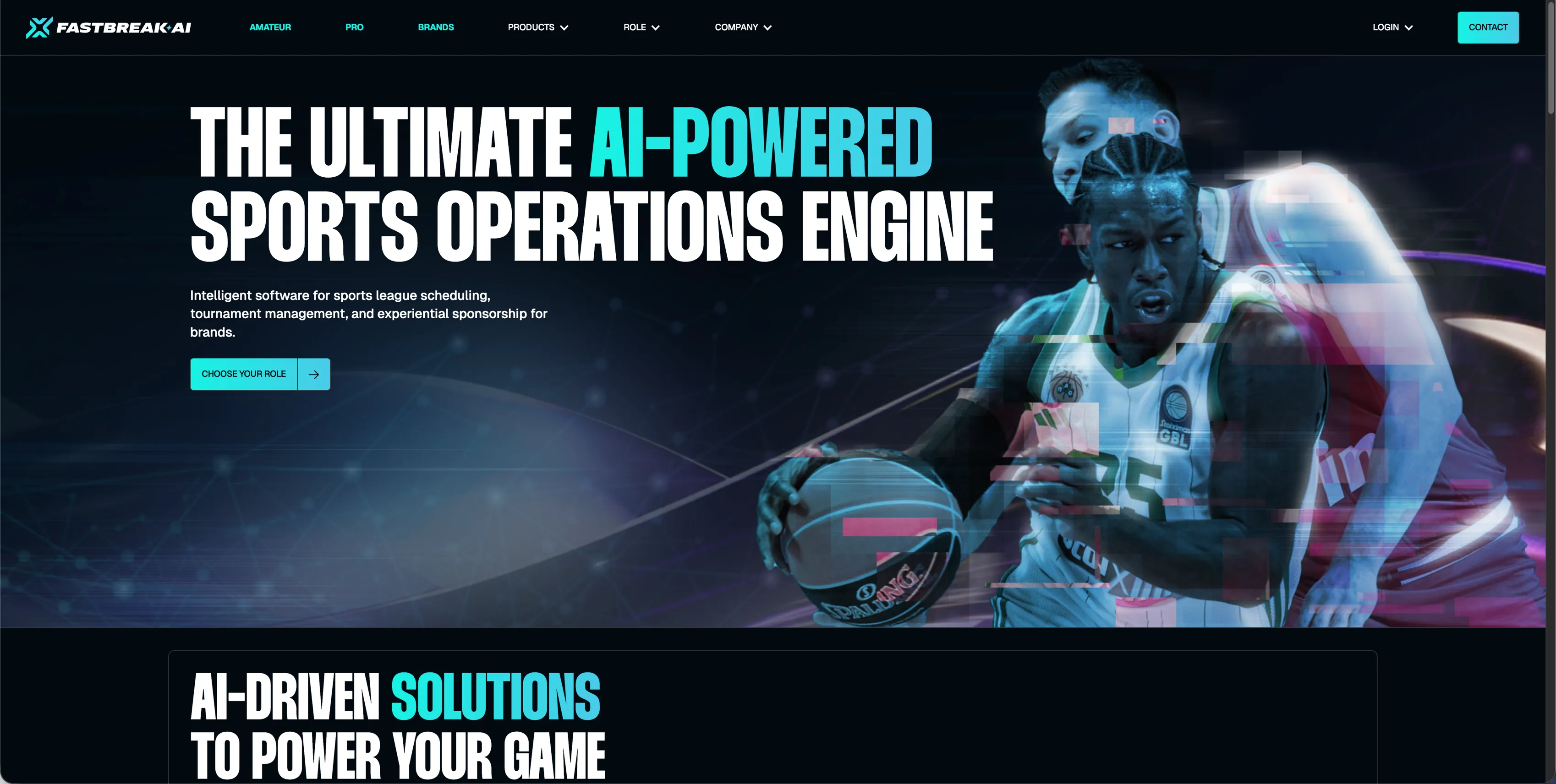
Integrated with Compete, Fastbreak Travel treats housing as a core planning variable instead of an afterthought. The scheduling engine models venue availability, bracket logic, and hotel requirements at the same time, reducing unnecessary overnight stays before registration opens. The bi-directional portal connects organizers and hotels to the same real-time data, removing manual rooming list reconciliation. You see which teams have met housing compliance directly inside the tournament dashboard, with no secondary login required.
Key Features
- Native integration between tournament scheduling and housing management treats travel as a first-class planning variable
- Bi-directional real-time portal connects organizers and hotels to the same live data
- AI-powered scheduling engine optimizes 1,000+ teams across multiple venues while minimizing hotel nights
- Direct hotel rebates with no travel agency markup
- Revenue stacking through integrated ticketing, sponsorship activation, and economic impact reporting
Limitations
- Requires upfront time investment to input venue data and define scheduling constraints properly
- Advanced optimization features may have a learning curve for first-time tournament directors
- Pricing structure differs from simple monthly subscription models used by basic bracket tools
- Maximum value requires running integrated revenue streams (housing, ticketing, sponsors) together
- Best suited for multi-venue events instead of single-facility recreational leagues
Bottom Line
Fastbreak AI works best for tournament directors running multi-day events with 200+ teams across multiple venues who need centralized control over scheduling, housing compliance, and revenue operations in one system. Directors who want to reduce family travel costs through optimized schedules, generate hotel rebates, and stack ticketing and sponsorship revenue will find this model fits their needs and growth goals.
EventConnect
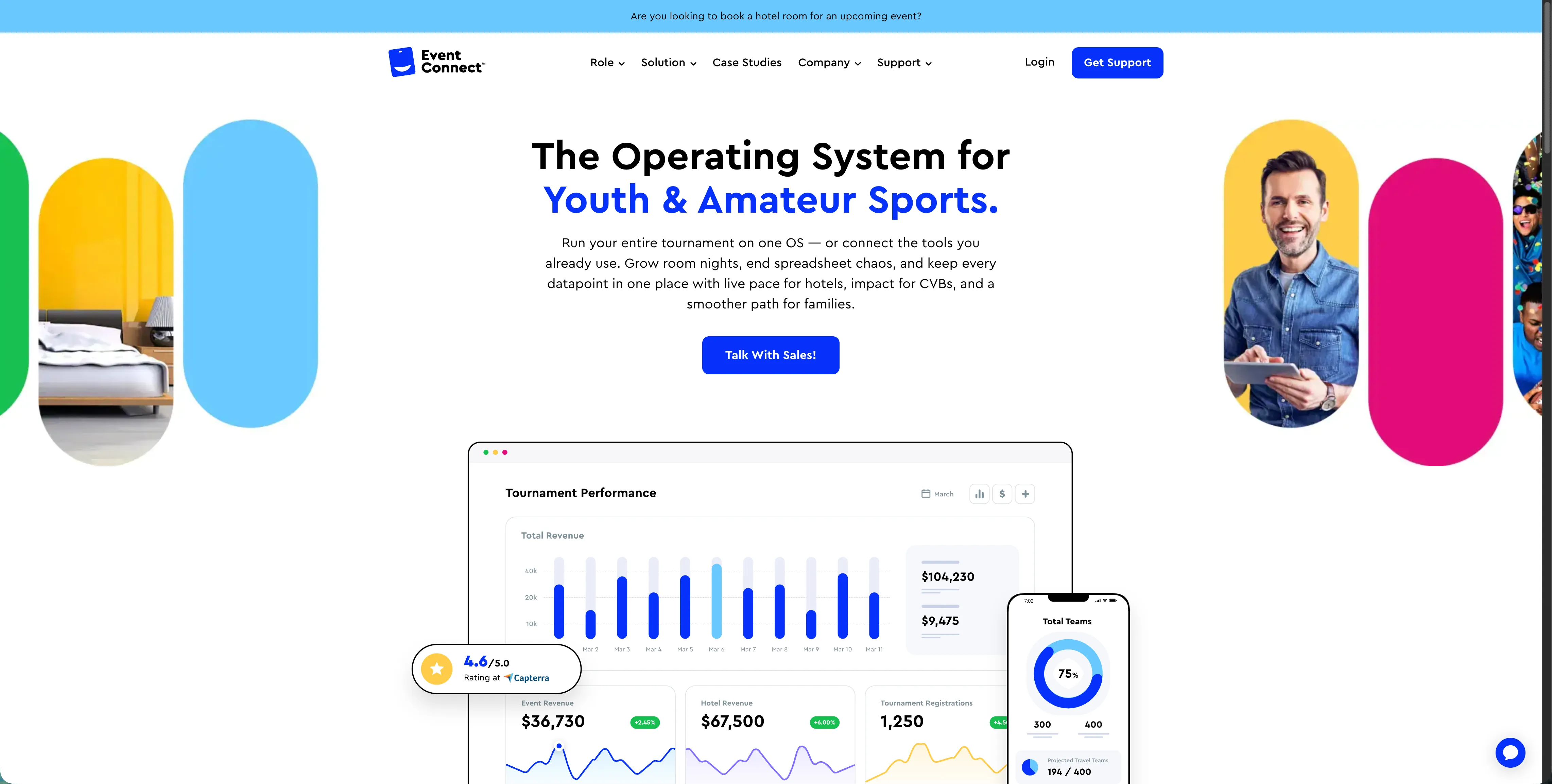
EventConnect offers a registration-first approach with housing and travel services layered on top. Tournament organizers work with a dedicated travel services team that handles hotel block negotiations, contract management, and coordination with venue properties on behalf of organizers instead of using self-service software.
Key Features
- Full-service hotel block negotiation and contract management through dedicated staff
- Stay-to-play compliance tracking at the registration layer
- Quantism economic impact measurement platform launched October 2025
- Revenue rebate arrangements through travel services agreements
- Registration system that connects to housing status
Limitations
- Travel is not a first-class planning variable in tournament scheduling, meaning the system cannot reduce hotel nights or optimize schedules around housing constraints before registration opens
- Relies on services team instead of self-service software for hotel block management
- No bi-directional real-time portal connecting organizers and hotels to the same live data
- Housing management operates as an add-on service instead of native integration with scheduling engine
- Requires working through intermediary travel services team instead of maintaining direct hotel relationships
Bottom Line
EventConnect works best for tournament organizers who prefer outsourcing hotel block logistics to an external services team instead of maintaining direct hotel relationships or managing inventory through self-service software. Directors running multi-day events who want dedicated staff handling contract negotiations and prefer a hands-off approach to housing coordination will find this model fits their style.
Lucid Travel
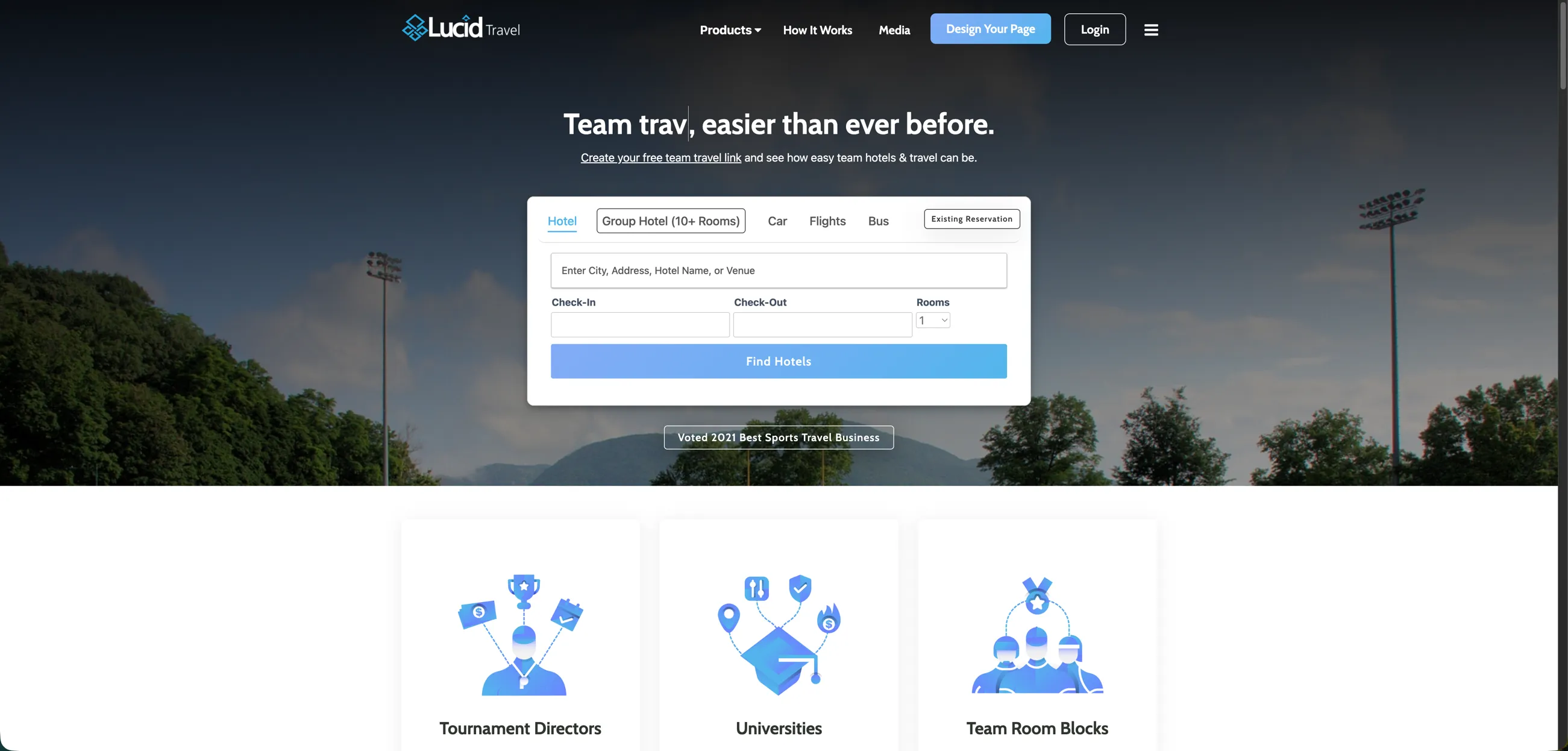
Lucid Travel functions as a mobile-first consumer booking app that lets individual teams and families shop for rates, book instantly, and earn cash-back rewards. The experience mirrors retail travel apps built for coach-led booking instead of tournament operator control.
Key Features
- Rate comparison and cash-back rewards for individual team bookings
- Mobile-first booking interface for instant reservations
- Consumer-focused shopping experience similar to retail travel apps
- Aggregator access to public hotel rates across multiple properties
- Team-controlled booking process independent of tournament systems
Limitations
- No integration with tournament registration or scheduling systems, keeping housing data disconnected from participant enrollment
- Tournament directors have no live visibility into which teams booked where or when
- Operates as public rate aggregator instead of managing contracted block inventory with negotiated rates
- No centralized stay-to-play compliance tracking for tournament organizers
- Cash-back rewards flow to individual teams instead of rebates to tournament organizers
Bottom Line
Lucid Travel works best for individual teams traveling independently who want control over their own bookings and prefer cash-back savings over organizer-mandated hotel blocks. Teams that value consumer-style shopping flexibility and aren't restricted by stay-to-play requirements will find this model fits their travel planning preferences.
TeamSnap
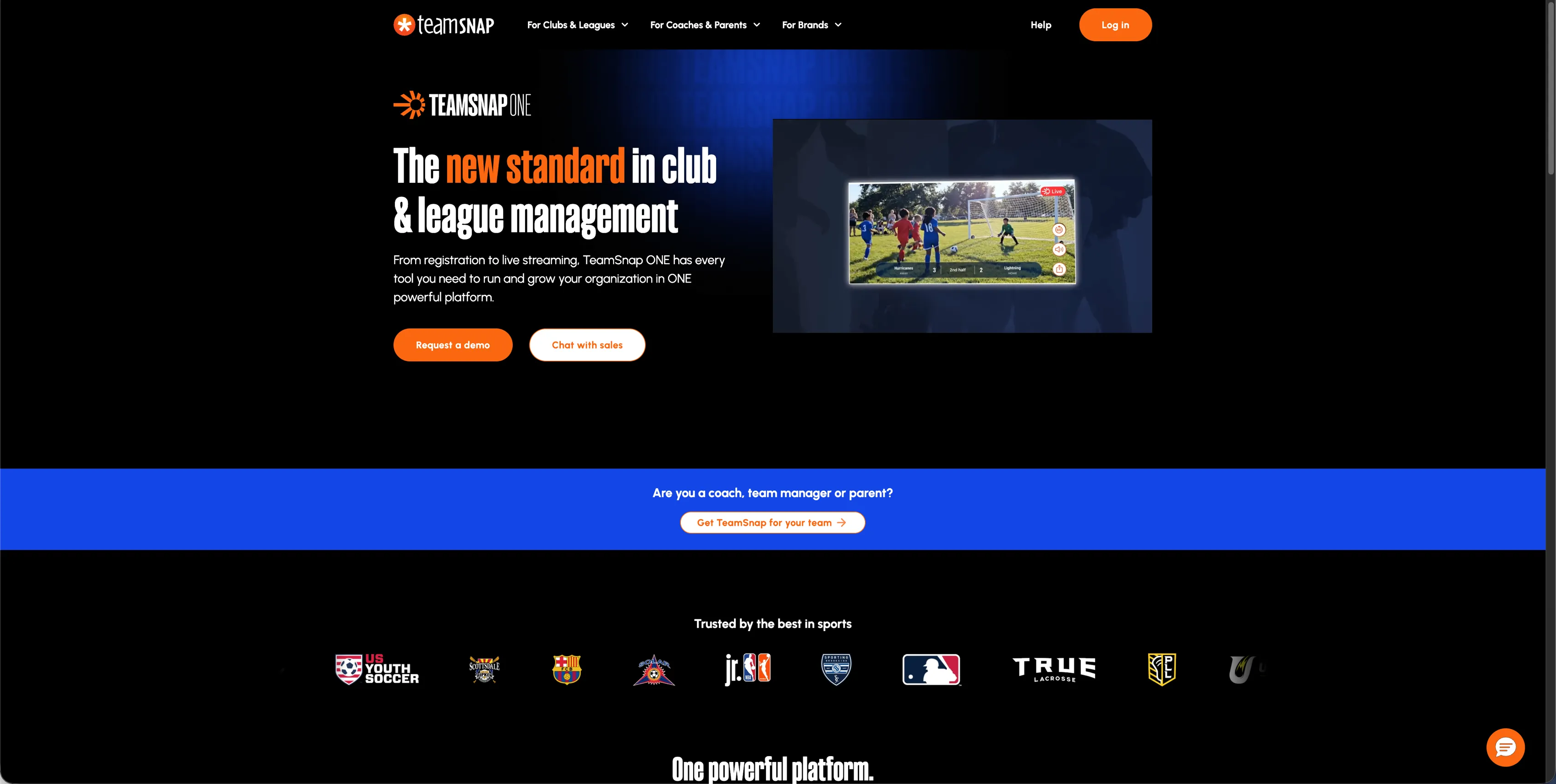
TeamSnap functions as a team communication and scheduling app designed for individual team management instead of league-wide tournament operations.
Key Features
- Team-level communication tools for coaches, players, and parents
- Basic scheduling and roster management for individual teams
- Mobile app for team coordination and updates
- Payment collection for team fees and expenses
- Availability tracking for practices and games
Limitations
- No multi-venue tournament scheduling or bracket management capabilities
- Team-level data silos prevent organization-wide reporting and analytics
- No integration with hotel booking, travel coordination, or stay-to-play compliance tracking
- Missing tournament revenue operations like ticketing, sponsorships, or rebate programs
- Cannot handle complex scheduling constraints across multiple facilities or large participant pools
Bottom Line
TeamSnap works best for individual youth sports teams that need basic communication and scheduling tools for their season. Coaches managing a single team who want simple roster coordination, practice scheduling, and parent communication will find this model fits their needs, but tournament directors running multi-day events should look elsewhere.
OTTO SPORT
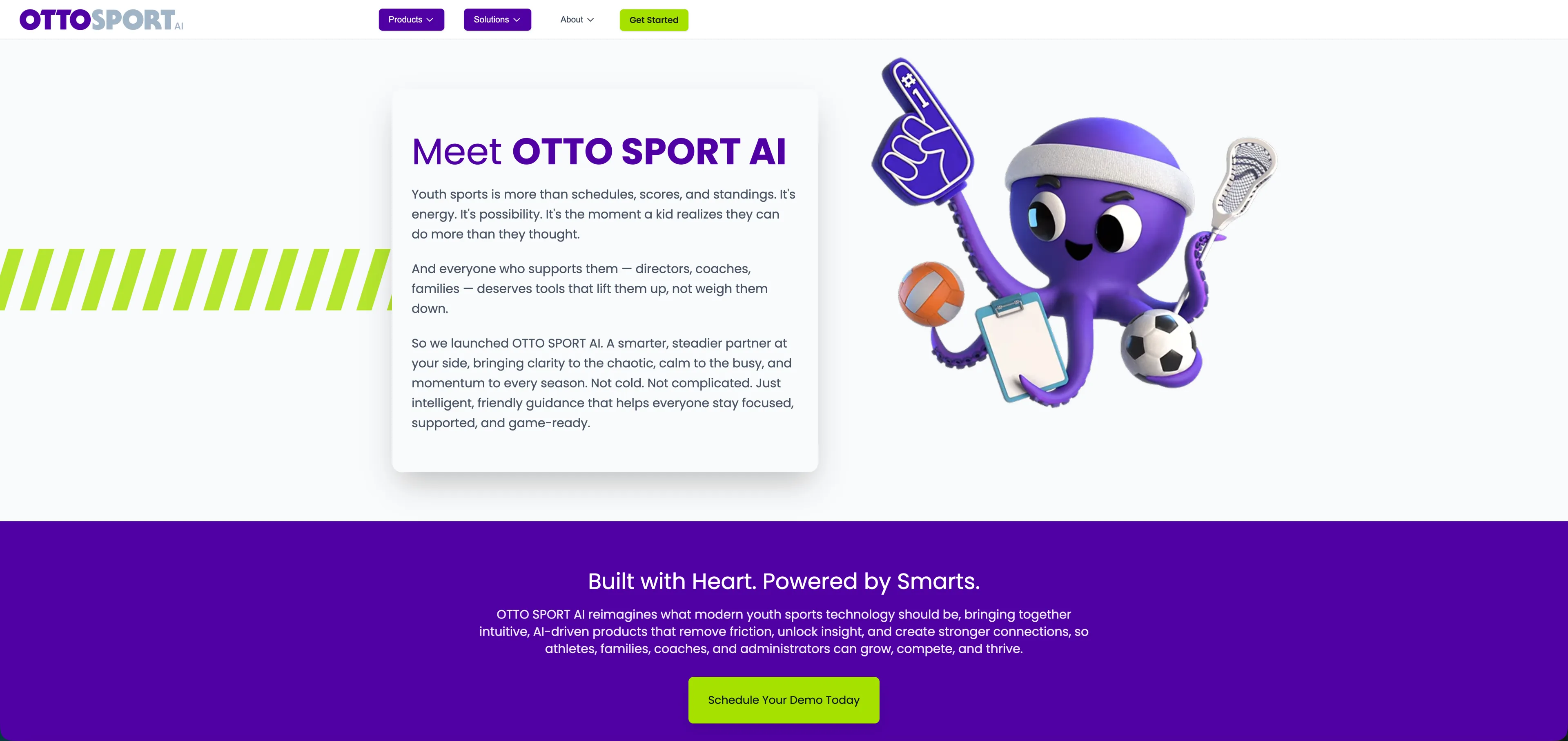
OTTO SPORT launched in January 2026 with $16.5 million in seed funding and three acquisitions: SportWrench for ticketing, University Athlete for recruiting, and Demosphere for club management. The company targets volleyball, soccer, and lacrosse exclusively. Tournament directors get club management from Demosphere, ticketing through SportWrench, and AI automation for admin work. The Otto Pilot feature uses AI models trained on volleyball, soccer, and lacrosse data.
Key Features
- Club management capabilities from Demosphere acquisition
- Integrated ticketing through SportWrench platform
- Otto Pilot AI automation for administrative tasks
- University Athlete recruiting tools for player development
- Sport-specific focus on volleyball, soccer, and lacrosse
Limitations
- No housing management or travel coordination capabilities for multi-day tournaments
- Recently launched platform with limited track record since January 2026
- Three-acquisition structure requires integration across separate legacy systems
- Missing stay-to-play compliance tracking and hotel rebate programs
- Limited to three sports instead of broader athletic event support
Bottom Line
OTTO SPORT works best for volleyball, soccer, and lacrosse clubs already using Demosphere who want recruiting tools and ticketing bundled into one platform and are comfortable with a newly launched company. Club directors who favor player development pathways and sport-specific AI features over housing management will find this model fits their focus, but tournament organizers running multi-day events with travel logistics should look elsewhere.
Side-by-Side Comparison Table of Team Travel Coordination Tools
This table compares key capabilities tournament directors need when managing travel for multi-day events:
Why Fastbreak AI Is the Best Team Travel Coordination Solution
We built Fastbreak differently because travel costs now exceed what parents spend on equipment, lessons, registration, and camps combined. In fact, family spending on youth sports rose 46% over five years, with the average family paying nearly $1,500 annually per child in 2024. Most software treats housing as something you bolt on after the schedule is set. We treat it as a planning input from day one.
The scheduling engine models hotel requirements alongside venue availability and bracket logic, minimizing overnight stays before teams ever register. From there, the bi-directional portal tracks stay-to-play compliance in real time while you access negotiated hotel rates with no agency markup.
You can capture direct rebates, and those funds flow straight to your account. When you stack ticketing and sponsorship activation through Fastbreak Connect on top of housing revenue, you're looking at measurably lower costs for families and materially higher margins for your organization.
Final Thoughts on Software for Tournament Travel Logistics
When tournament travel coordination is built into your scheduling engine, you can model hotel requirements alongside brackets and venues. That connection reduces overnight stays, automates stay-to-play tracking, and puts hotel rebates directly in your account. You get better outcomes for families and stronger margins for your events without bolting together separate systems.
FAQ
Which team travel software is best for multi-day tournaments with complex housing needs?
Fastbreak AI ranks best for tournament directors managing multi-venue events with stay-to-play requirements, since travel functions as a first-class planning variable in the scheduling engine. EventConnect works well if you prefer outsourcing hotel block logistics to a dedicated services team instead of managing blocks yourself.
How do I choose between a full tournament platform and a standalone travel booking app?
If you need centralized control over stay-to-play compliance, real-time housing data inside your tournament dashboard, and contracted hotel rates with rebates, choose an integrated platform like Fastbreak AI or EventConnect. Standalone apps like Lucid Travel work for individual teams traveling independently who want consumer-style booking and cash-back rewards, but they don't connect to tournament operations or provide directors with compliance visibility.
What should I look for in team travel software if I'm running my first multi-day tournament?
Focus on real-time stay-to-play compliance tracking, bi-directional access to housing data for both organizers and hotels, and negotiated hotel rates without travel agency markup. First-time directors benefit most from software that connects housing status directly to registration data, so you're not manually tracking which teams met room night requirements across separate systems.
Which travel coordination software generates the highest hotel rebates for organizers?
Fastbreak AI and EventConnect both generate hotel rebates for tournament organizers through negotiated contracted rates. Fastbreak provides room night in direct rebates that flow straight to your account. Consumer booking apps like Lucid Travel provide cash-back rewards to individual teams instead of rebates to the tournament organizer.


