





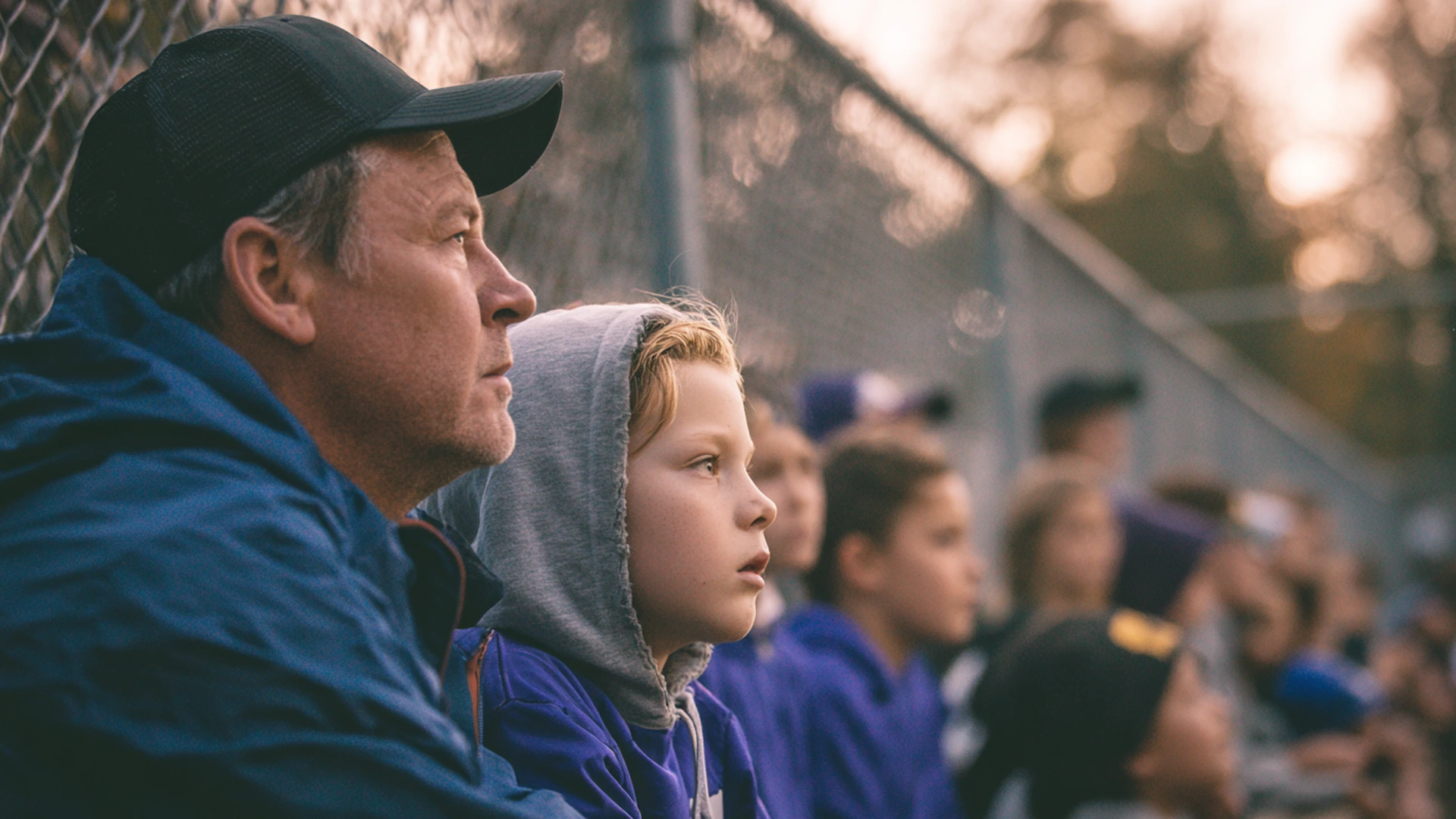


If you’ve run a youth sports event, you’ve seen it. The parent who gets too fired up on the sidelines. The crowd then turns from supportive to explosive. The moment when passion crosses the line, and fans feel like they should be involved.
It’s not a one-off problem. It’s a challenge across youth sports.
And now we have the data to prove it. A peer-reviewed study published in the Journal of Amateur Sport in May 2025 examines how youth sports parent behavior is changing and what it means for athletes, coaches, and event organizers alike.
The takeaway? Parent behavior doesn’t just influence a game’s mood. It influences participation, retention, mental health, and the culture of youth sports.
At Fastbreak, we believe it’s time to get in front of this negative energy in youth sports and empower sports directors to lead the change keep youth sports 100% focused on the kids. proactive about what comes next.
A Real data Study Pulls Back the Curtain
Researchers surveyed more than 1,000 youth sports parents across the U.S., asking about their experiences, expectations, and sideline behavior.
Some of the stats were expected. Others were genuinely surprising:
- Over 60% of parents reported witnessing inappropriate behavior from other adults at youth games.
- 1 in 4 parents admitted to yelling at referees or coaches.
- 17% of kids reported that their parents’ behavior made them want to quit their sport.
The key finding: Parent behavior is becoming a central factor in the youth sports experience for athletes. It's changing sports event organizers, too.
“Parental involvement is the most influential factor in a child’s early sport participation, and continues to shape motivation, enjoyment, and dropout.”
- Holt et al., 2025
Why This Matters for Tournament Operators
If you’re a tournament operator or league director, you’re already juggling a hundred logistics at once. Why should parent behavior be part of your focus?
Because behavior = experience
And experience = retention
You can run a flawless tournament. The schedule can be airtight, the officials fair, and the facilities top-notch. But if the sideline turns toxic, that, unfortunately, is what families will remember.
In today’s youth sports ecosystem (where families can choose from dozens of events every weekend), that memory can mean they won’t want to come back.
Bad parent behavior also creates real costs:
- Staff burnout: Fielding complaints or breaking up altercations drains energy and resources.
- Referee shortages: Poor sideline conduct is a common reason officials quit.
- Brand risk: One viral video of bad behavior can damage your reputation fast.
You really can’t afford to ignore parental behavior.
What Drives Bad Behavior?
The study found that most negative parent behavior stems from a common root: pressure.
Parents today are under immense pressure to “support” their kids by advocating, correcting, and, sometimes, shouting.
Three recurring drivers include:
- High financial investment: Youth sports are expensive. Parents feel entitled to a certain experience because they’ve paid for it.
- College exposure obsession: The dream of a scholarship intensifies every decision, call, or missed opportunity.
- Social comparison: Sidelines have become competitive. Parents are watching not just the game, but each other as well.
This pressure turns sporting events into high-stakes moments. When expectations clash with reality, that’s when behavior becomes visible.
Culture Is Contagious
One of the most powerful insights from the study was the role of sideline culture. Parents don’t act in a vacuum. They take cues from the environment. When other parents stay calm and respectful, most will follow. But if one parent gets out of line and no one intervenes, it spreads.
This means organizers, coaches, and team leaders set the tone. You can’t control every parent, but you can shape the culture.
“Negative parent behavior like overinvolvement, poor sideline conduct, or pressure to win, has been consistently linked to youth athlete burnout and withdrawal.”
The good news: The research shows most parents want to do the right thing. They need clear guidelines, consistent communication, and reinforcement. In other words, culture is contagious. So let’s build the kind we want.
The Role of Sports Technology in Shaping Behavior
At Fastbreak, we see this as an opportunity.
Technology can’t fix behavior, but it can shape it. Here’s how:
- Clear communication through mobile apps reduces confusion and, in turn, frustration.
- Real-time schedule updates prevent late arrivals, missed games, and sideline chaos.
- Onboarding messages and conduct reminders set the tone from the start.
- Post-event surveys give families a chance to share feedback productively—before it turns into online backlash.
With Fastbreak AI for tournaments, tournament organizers get a central hub for managing it all. We help you communicate before, during, and after events—with consistency, transparency, and professionalism.
How Leading Events Are Getting Ahead of the Problem
“Creating positive sport environments requires active collaboration between coaches, parents, and event organizers, particularly in competitive tournament settings.”
Top tournament operators are already using proactive strategies to improve sideline behavior.
A few standouts:
- Coach-driven pre-tournament talks: A simple message to parents before the first game of the event can shift the tone for the whole weekend.
- Branded conduct policies: A one-pager shared at registration that outlines expectations and consequences. It’s OK to ban parents (and entire teams) from the next event, or for a specific period.
- Family experience as a value proposition: Marketing your tournament as “the best weekend for players and families” helps set behavioral norms.
- Consistent refereeing: Brief every referee and official on your tournament guidelines for de-escalating and eliminating inappropriate sideline behavior.
We’ve seen event sponsors play a role in improving behavior. They can offer incentives or giveaways for positive sideline conduct, sportsmanship, or team support. Rewarding good behavior works.
From Behavior to Business: Why This Impacts Growth
If you want to grow your event, parent behavior is a business issue. Better behavior leads to a better experience for everyone involved, which means more teams come back year after year. When parents are respectful and engaged in the right ways, there are fewer conflicts, fewer refund requests, and fewer social media blowups that damage your event’s reputation.
Families who feel supported and valued are more likely to share positive feedback, strengthening your brand and driving powerful word-of-mouth marketing. And when the culture around your events improves, it becomes easier to attract referees, staff, and volunteers—something every tournament operator needs.
Better Behavior = Better Experience = More Teams Return = Bigger Business
The tournament directors who take this seriously are seeing the payoff. They’re not just running games; they’re building a community experience. And in a landscape this competitive, that’s what makes events stand out.
The Fastbreak Perspective
At Fastbreak, we’ve helped tournament organizers of every size — from local events to national series — create smoother operations, better organizer communication and better family experiences.
And while we focus on tech, we understand that real success comes from blending systems with human leadership.
That’s why we built our platform to support the full lifecycle of a youth sports event: from registration and scheduling to ticketing, communication, and sponsor integration.
When it all runs through a single platform, parents feel informed. Teams feel heard. And your staff gets back hours that would’ve been spent putting out fires.
Good sideline behavior starts with a well-structured event.
Key Takeaways for Tournament Operators
Here’s what you can do now:
- Start the conversation. Make parent behavior part of your planning, not just your problems.
- Communicate early and often. Use your app, registration page, and email to set expectations.
- Use your tech tools. Fastbreak helps you centralize communication and reduce the confusion that leads to frustration.
- Reinforce the positive. Celebrate the parents and programs who show up right. Make them the norm, not the exception.
- Track the trends. Use post-event surveys to monitor behavior patterns and adjust your approach.
Most parents want to do the right thing. They need a framework, and it starts with you.
Final Word: We Are Creating Youth Sports Culture
Youth sports are one of the most powerful social spaces we have. They shape tomorrow's leaders, build resilience, and create lasting memories.
But only if sports culture supports it.
Parent behavior isn’t just a sideline issue. It’s a central pillar of the youth sports experience. And when you elevate the sideline, you elevate everything else.
Let’s make the game better — for everyone.
FAQs
What does research say about how parent behavior affects youth sports?
A peer-reviewed study in the Journal of Amateur Sport surveyed over 1,000 youth sports parents and found that parent behavior is a central factor in the youth sports experience. Over 60% of parents reported witnessing inappropriate behavior from other adults at games, 1 in 4 admitted to yelling at referees or coaches, and 17% of kids said their parents' behavior made them want to quit their sport.
Why should tournament operators care about parent behavior?
Parent behavior directly shapes the family experience, and experience drives retention. A tournament can be perfectly run, but if the sideline turns toxic, that's what families remember and why they may not return. Poor sideline conduct also drives staff burnout, referee shortages, and brand risk from viral incidents.
What causes negative parent behavior at youth sports events?
The research points to pressure as the root cause, driven by three factors: high financial investment in youth sports, the pursuit of college scholarships, and social comparison among parents on the sidelines. This pressure turns games into high-stakes moments where behavior becomes more visible.
How can tournament organizers improve sideline behavior?
Leading events use coach-driven pre-tournament talks, branded conduct policies shared at registration, consistent referee briefings on de-escalation, and sponsor-backed incentives for good sportsmanship. Clear communication and consistent reinforcement help set the tone before problems start.
What role does technology play in shaping parent behavior?
Technology can't fix behavior directly, but it can shape it. Clear communication through mobile apps reduces confusion, real-time schedule updates prevent late arrivals and sideline chaos, onboarding messages set expectations early, and post-event surveys give families a productive outlet for feedback.
References:
- Youth Sports Business Report. “How AI-Powered Scheduling is Revolutionizing Youth Sports Operations.”
Journal of Amateur Sport, 2025. “Parental Behavior in Youth Sports: A National Survey.” DOI link


