


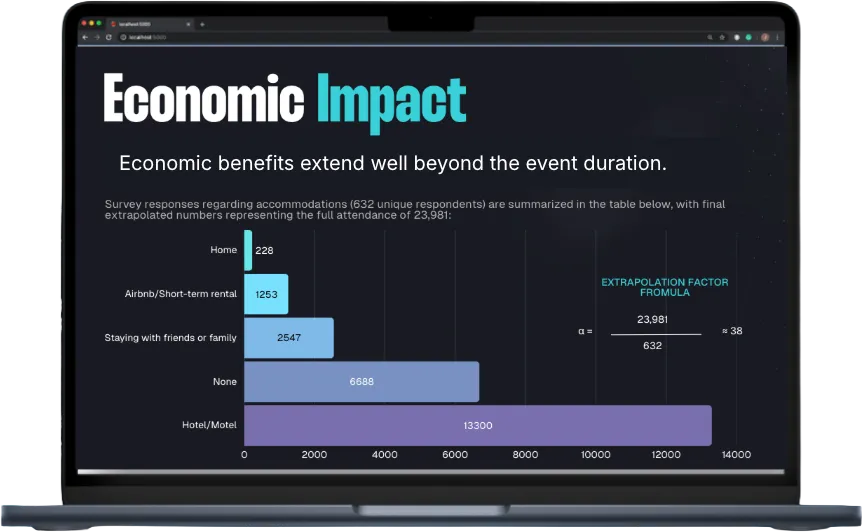





Teams register for your tournament, but you won't know if they booked their stay-to-play nights until check-in when it's too late to fix. Your registration platform and your hotel blocks live in separate systems, so compliance tracking means manually comparing spreadsheets across multiple properties. The right stay-to-play compliance tools connect tournament operations to housing operations so registration data flows into rooming lists automatically, and you can identify noncompliant teams before the event starts.
Exec summary:
- Sports travel software automates stay-to-play compliance and generates.
- Fastbreak AI schedules games around hotel locations to cut unnecessary overnight stays before registration.
- Bi-directional portals sync live inventory between organizers and hotels to prevent rooming list errors.
- EventConnect offers housing services but can't optimize schedules to reduce total travel costs.
- Fastbreak AI manages operations for thousands of youth events reaching 10M+ athletes and families.
What Are Sports Travel Management Solutions for Tournament Organizers?
Sports travel management software manages the complexity of moving hundreds of teams into the right hotel rooms while enforcing stay-to-play rules. It tracks which teams have met their room night requirements, manages blocks across multiple properties, and collects rebates that fund your event. Standard booking sites don't integrate with registration systems. They can't flag teams that registered but haven't booked their required nights, and they won't show real-time compliance data on which coaches are avoiding your block.
Purpose-built software, though, connects tournament operations to housing operations. Registration data flows into rooming lists, schedule changes trigger hotel notifications, and compliance tracking happens automatically. Every room booked through your block generates rebate revenue that offsets operating costs.
How We Ranked Sports Travel Management Software
We measured each option against five criteria that separate basic booking tools from revenue infrastructure for tournament directors:
- Integration with tournament operations: Does registration data flow into rooming lists automatically, or are you manually transferring spreadsheets between systems?
- Stay-to-play compliance tracking: Can you identify non-compliant teams before the event, or do you find issues at check-in?
- Real-time inventory visibility: Do hotels and organizers work from the same live data, or are you reconciling conflicting rooming lists hours before arrival?
- Rebate tracking and revenue tools: Does the system calculate your per-room earnings automatically, or are you chasing hotel reps for payment weeks later?
- Schedule optimization around travel: Can the software adjust game times based on hotel locations to cut drive time, or does your schedule ignore where teams sleep?
Best Overall Sports Travel Management Software: Fastbreak AI
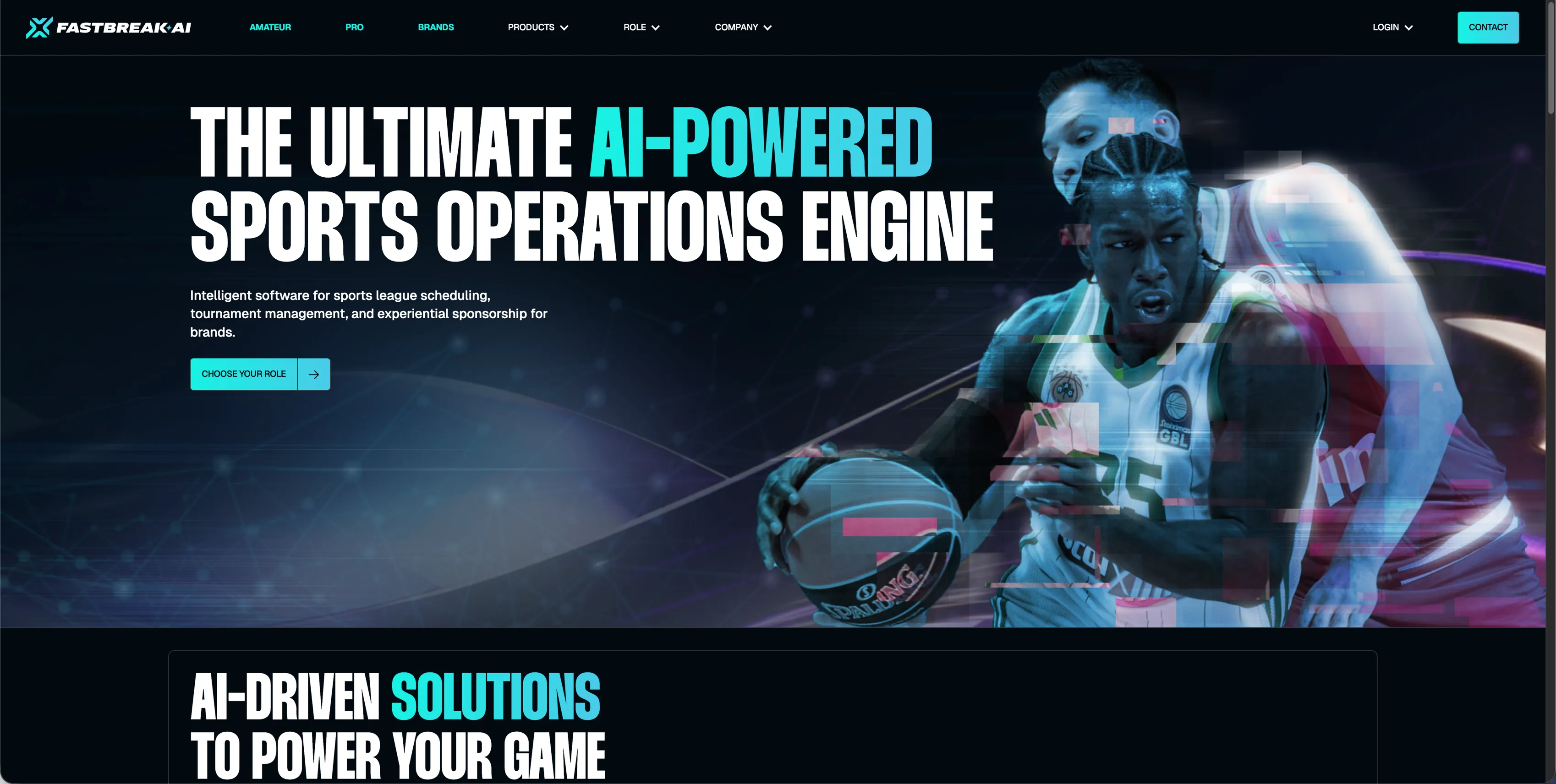
Fastbreak AI builds housing directly into the scheduling engine instead of bolting it on after. The software models travel distance, venue assignments, and bracket structure together to eliminate unnecessary overnight stays before registration opens. Other systems book rooms around a finished schedule. Fastbreak designs the schedule to reduce the rooms you need to sell in the first place.
The bi-directional hotel portal shows you and your properties identical live inventory, ending version control errors and last-minute rooming corrections with Fastbreak Travel. Stay-to-play compliance tracking lives inside the same dashboard you use for registration and scheduling. No system-hopping to verify which teams met room requirements.
EventConnect
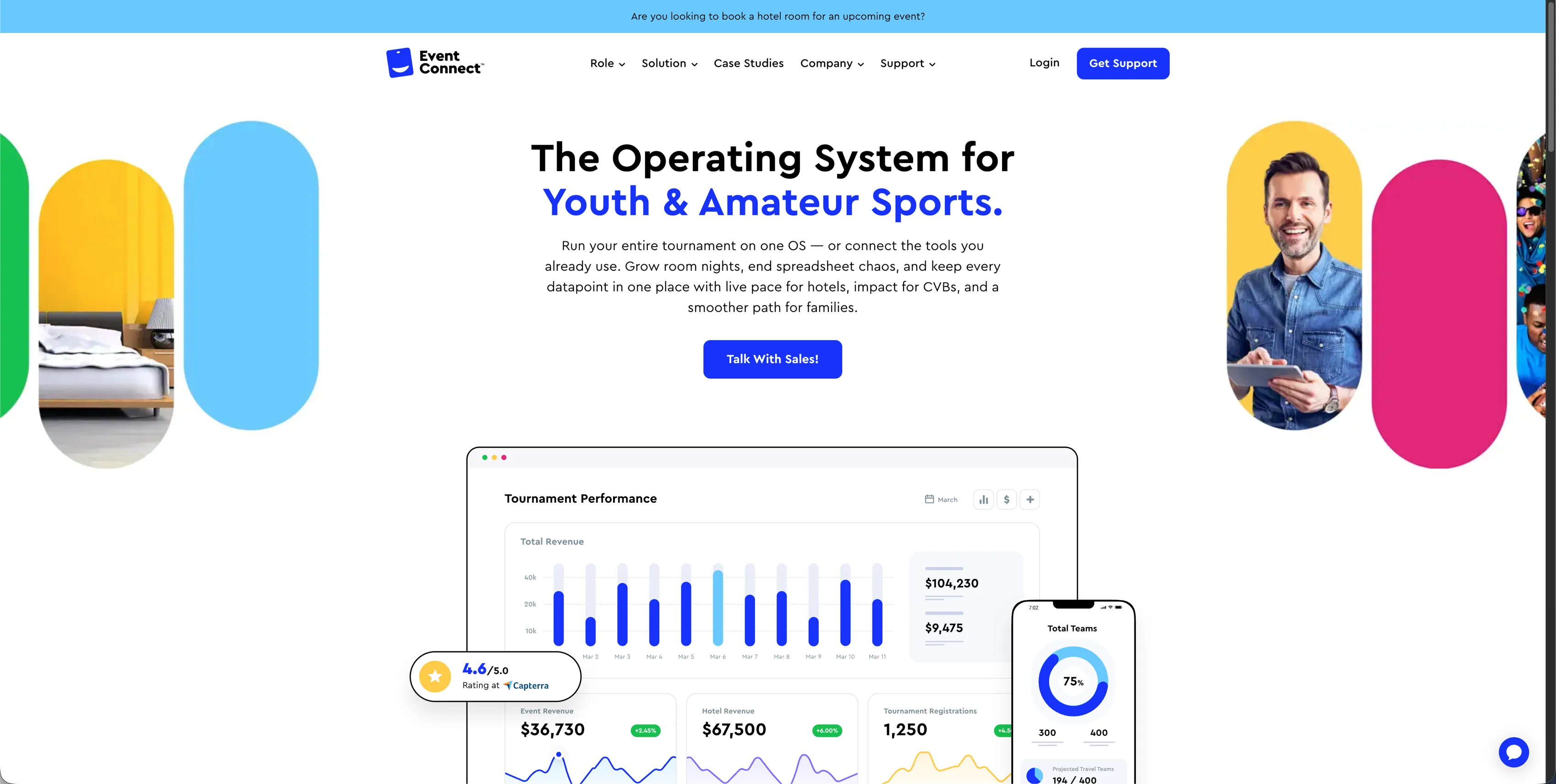
EventConnect provides tournament registration software with integrated housing services for youth sports organizers. The platform handles team enrollment, payment processing, and hotel block coordination through a combined registration and travel services model. Housing functions as an add-on service layer instead of a core scheduling feature.
Key Features
- Registration system connects directly to housing services for participant tracking and room block management
- Stay-to-play compliance tools verify teams meet minimum room night requirements before tournament participation
- Dedicated travel services team coordinates hotel blocks and manages property relationships on behalf of organizers
- Payment processing integrates registration fees with housing deposits in a single transaction flow
- Basic reporting shows which registered teams have completed their housing obligations
Limitations
- Cannot optimize tournament schedules around hotel locations to reduce total overnight stays before registration opens
- Housing exists as a separate service layer instead of integrated into the scheduling engine as a planning variable
- No real-time bi-directional portal between organizers and hotels creates version control issues with rooming lists
- Travel logistics are managed around a finished schedule instead of influencing schedule creation to minimize costs
- Lacks AI-powered schedule optimization that models travel distance alongside venue assignments and bracket structure
Bottom Line
EventConnect works best for tournament organizers who need strong housing coordination services and basic stay-to-play compliance tracking but don't require schedule optimization to reduce family travel costs. Organizations running single-venue events with straightforward housing needs will benefit most, particularly those who prefer outsourcing hotel block management to a dedicated services team instead of maintaining direct control through self-service software.
Lucid Travel
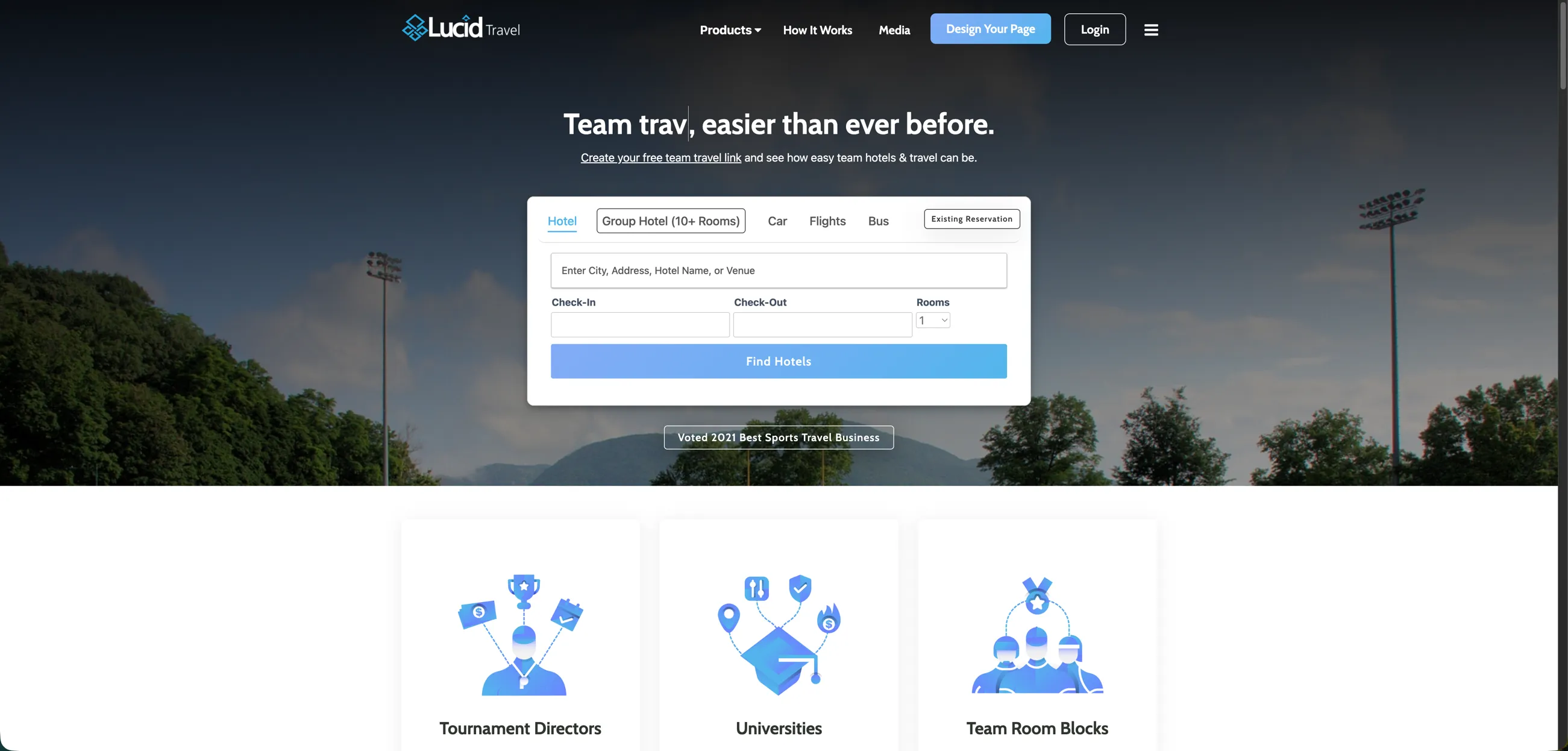
Lucid Travel aggregates public hotel and flight rates across multiple booking platforms, then returns cash-back rebates directly to individual teams and families. The platform operates as a consumer-facing booking tool that helps teams save money on travel expenses through rate comparison and rewards programs. It does not provide organizer-level housing management or compliance tracking capabilities.
Key Features
- Rate aggregation compares prices across multiple booking sites to find lowest available hotel and flight options
- Cash-back rebates return money directly to teams after they complete their bookings through the platform
- Self-service booking interface allows coaches and parents to search and reserve travel independently
- Travel rewards program provides additional savings for teams that book multiple trips through the system
- Mobile-friendly booking experience designed for on-the-go reservation management by families
Limitations
- No organizer dashboard or administrative controls to manage contracted hotel blocks across multiple properties
- Cannot track stay-to-play compliance or verify which teams have met room night requirements
- Does not integrate with tournament registration systems to connect housing data with participant enrollment
- Lacks contracted block management tools to protect organizers from attrition penalties on unsold inventory
- No real-time visibility for tournament directors into which teams booked where or when
Bottom Line
Lucid Travel works best for individual teams traveling independently who want control over their own bookings and prefer cash-back savings over organizer-mandated hotel blocks. Families participating in tournaments without stay-to-play requirements will benefit most, particularly those who focus on finding the lowest rates across multiple booking platforms instead of supporting contracted inventory that funds tournament operations.
Anthony Travel
Anthony Travel operates as a concierge travel agency specializing in group sports travel coordination for universities, professional teams, and large sports organizations. The platform provides white-glove service through dedicated travel agents who manually handle bookings, modifications, and logistics coordination. It functions as a traditional travel agency instead of self-service software with automated compliance tracking.
Key Features
- Dedicated travel agents provide personalized concierge service for complex group travel arrangements
- Manual coordination handles hotels, flights, ground transportation, and meal planning in one service package
- Existing relationships with hotel chains and airlines secure negotiated rates for group bookings
- Phone and email-based booking modifications through customer service representatives available during business hours
- Experience managing travel logistics for high-profile teams with specific security and privacy requirements
Limitations
- Manual processes require phone calls or emails to agents for inventory changes, creating bottlenecks during schedule changes
- No self-service portal for organizers to view real-time inventory or make immediate adjustments to rooming lists
- Cannot integrate with tournament scheduling software to automatically prevent booking conflicts or optimize travel costs
- Lacks stay-to-play compliance dashboards that flag non-compliant teams before event check-in
- Service model designed for single-team logistics instead of mass participation events with hundreds of teams booking simultaneously
Bottom Line
Anthony Travel works best for university athletic departments or professional teams needing personalized concierge service with flexible budgets for premium white-glove coordination. Organizations managing travel for one elite team with complex security requirements will benefit most, particularly those who prefer delegating all logistics to dedicated agents instead of using self-service software to manage operations at scale.
Feature Comparison Table of Sports Travel Management Software
Why Fastbreak AI Is the Best Sports Travel Management Software
We calculate housing requirements during schedule generation, not afterward. When you model travel distance as a constraint alongside venue availability and rest requirements, you cut unnecessary overnights before families register. Our bi-directional portal gives hotels and organizers the same live data, ending version control errors that cost rebate revenue. Stay-to-play compliance tracking lives in the same dashboard where you manage brackets and registration. Stay-to-play rules benefit families when the schedule minimizes total nights booked, not when booking interfaces simply aggregate rates. Sports travel generated $52.2 billion last year, but fragmented tools force families into avoidable hotel nights that drain their budgets.
Final Thoughts on Event Housing Management Software
The best event housing management software doesn't bolt travel onto a finished schedule. It models distance, venue assignments, and room requirements together so you eliminate avoidable overnights before registration opens. You track compliance automatically, capture rebates without chasing hotel reps, and share live inventory with your properties. When travel becomes a planning variable instead of an afterthought, you protect your contracted blocks and cut what families spend to participate.
FAQ
How do I choose the right sports travel management software for my tournament?
Start with your revenue model and control needs. If you manage contracted blocks with attrition penalties and need stay-to-play compliance tracking, you need software that integrates housing with registration and scheduling. If you run small events where teams book independently, a rate aggregation service may work. The key question: does the software prevent costly problems before they happen, or does it just make booking easier?
Which sports travel management platform works best for multi-day tournaments with complex schedules?
Software that models travel distance during schedule creation, not after. When housing requirements influence game times and venue assignments from the start, you reduce unnecessary overnight stays before families register. Look for bi-directional hotel portals that give you and your properties identical live data, and compliance dashboards that flag non-compliant teams before check-in.
Can sports travel software actually reduce hotel costs for families?
Yes, but only if the scheduling engine treats travel as a planning variable. Software that optimizes schedules around hotel locations cuts drive time and eliminates avoidable overnight stays. Rate aggregation alone won't reduce the number of nights families need to book. The schedule determines total cost, and most booking interfaces can't change the schedule.
What's the difference between travel management software and a travel agency for tournament housing?
Software gives you self-service control over inventory changes and real-time compliance data. Agencies provide concierge service through phone and email but create bottlenecks when rain delays or bracket changes require immediate adjustments. Software scales to mass participation events where hundreds of teams need simultaneous access to rooming updates. Agencies work better for single-team logistics with flexible budgets.
When should I switch from spreadsheets to dedicated sports travel management software?
When you're managing contracted blocks across multiple properties with attrition penalties, or when you're enforcing stay-to-play rules that require compliance tracking. If you've ever paid an attrition fee because you couldn't identify non-compliant teams in time, or if you're manually reconciling conflicting rooming lists hours before team arrival, you've already paid more than the software costs.


