






Running a youth soccer tournament means managing more variables at once than most sports events ever require. Field availability, age division sequencing, referee assignments, rest windows, bracket progressions, and housing logistics all have to work together across a single weekend, and a mistake in any one area can create problems across the rest of the event. For tournament directors stepping into this for the first time, or experienced operators scaling up to larger events, the schedule is where most of the risk lives.As soccer participation rates, tournament directors face increased demand for well-organized events. This guide breaks down how to build a tournament schedule for a soccer tournament from the ground up. From the core structural decisions that determine whether your bracket runs cleanly, to the revenue opportunities built into your time slot choices, each section focuses on what actually matters when coordinating a multi-team, multi-field event.
Executive Summary:
- Soccer tournament scheduling involves complex coordination of field availability, rest requirements, age divisions, and referee assignments across multiple game formats.
- Proper schedule structure creates revenue opportunities through vendor placement timing, sponsor visibility windows, and strategic game spacing.
- A 48-team tournament requires careful staggering of start times, field grouping by age division, and 90-minute rest windows between games to prevent logistical bottlenecks.
- Fastbreak handles bracket structures, field conflicts, and real-time schedule adjustments in one platform: if a field goes down or a team withdraws mid-tournament, the schedule repairs around the change in minutes without touching unaffected games or brackets.
Why Tournament Schedule Building Is Different for a Soccer Tournament Director
Scheduling a soccer tournament involves more complexity than it appears from the outside. Four factors in particular catch directors off guard:
- Bracket format: Soccer tournaments often blend group stage play with knockout rounds, which requires careful sequencing to keep standings meaningful and advancement paths clear, something single-elimination brackets in other sports don't demand.
- Field availability: A director working with six fields across two sites has to account for travel time between venues, turf versus grass preferences by age group, and field dimensions that may not suit younger divisions.
- Age group separation: A U8 game and a U17 game cannot share the same scheduling logic. Rest requirements, game lengths, and competitive intensity all vary; and this is one area where purpose-built soccer tournament management software handles the complexity automatically.
- Referee assignments: Officials are scheduled directly around match timing. A scheduling error that creates two overlapping games on adjacent fields can leave one game without qualified officials entirely.
The Core Challenges of Tournament Schedule Building at Scale
Building a tournament schedule for a soccer event sounds straightforward until you're managing 48 teams, six fields, and a weekend window that leaves almost no margin for error. The complexity scales fast, and most of it hits at once.

Here are the core challenges organizers run into:
- Field availability across multiple venues rarely lines up cleanly with the number of games you need to fit. Fields get shared with other users, have maintenance windows, or have lighting restrictions that cut off evening slots entirely.
- Rest time between games is a fairness issue. If one team plays back-to-back games while another gets a two-hour break, you've introduced a competitive imbalance before the tournament even starts.
- Certified officials are often in short supply. A 2022 NFHS survey found that roughly 50,000 people stopped officiating since the 2018-19 season, and their availability windows don't always match your scheduling needs.
- Group stage brackets must feed cleanly into knockout rounds, meaning early scheduling errors compound as the tournament progresses.
So, getting the schedule right from the start matters more than most organizers expect.
How a Unified Platform Handles Tournament Schedule Building for Soccer Events
Scheduling a soccer tournament involves enough moving parts that a single miscalculation can cascade into conflicts across fields, time slots, and team brackets. Fastbreak is built to handle that complexity in one place, giving tournament directors a structured environment where schedule logic is applied automatically instead of manually tracked across spreadsheets. When you build a tournament schedule inside Fastbreak, the software automatically applies schedule logic across fields, time slots, and brackets, so you're not manually tracking it across spreadsheets. It accounts for:
- Team counts and bracket sizes across multiple age groups and divisions, so you're not manually calculating round counts or game totals
- Field availability windows, which get matched against game slot requirements to reduce scheduling gaps and double-bookings
- Rest time rules between games, so no team is assigned back-to-back slots that violate your own tournament policies
- Playoff seeding logic that connects group stage results directly to bracket advancement without requiring manual updates
From there, any last-minute changes, whether a field goes down or a team withdraws, can be adjusted without rebuilding the full schedule from scratch.
Housing and Logistics Considerations for Soccer Tournament Directors
For multi-team tournaments, housing and logistics can be just as complex as the schedule itself. Many venues and host cities require stay-to-play participation, meaning teams must book accommodations through an approved housing block to register. So, getting ahead of this early saves real headaches later.
Here are the key logistics factors to account for when planning your tournament:
- Stay-to-save requirements set by your host venue or city should be communicated clearly in registration materials so families know what to expect before they commit.
- Field proximity matters when assigning hotel blocks. Teams traveling long distances benefit from accommodations close to their assigned fields, reducing morning scrambles on game day.
- Room block sizing should reflect your team count per age group instead of total registration numbers alone, since families book by team affiliation.
- Cutoff dates for hotel blocks need to align with your registration deadlines so you are not left holding unsold rooms or scrambling to find overflow housing.
Getting logistics right supports a smoother on-site experience and gives families fewer reasons to second-guess their commitment to your event.
Revenue Opportunities Embedded in Tournament Schedule Building
Most tournament directors treat scheduling as a logistics problem. In practice, it's also a revenue decision.
The way you structure game times, field assignments, and bracket progressions has a direct impact on how much value sponsors, vendors, and facilities can extract from your event. A schedule packed with overlapping games across multiple fields means more concurrent foot traffic, which supports premium sponsorship placement and vendor sales windows.

Here are a few revenue-tied scheduling decisions worth building into your process:
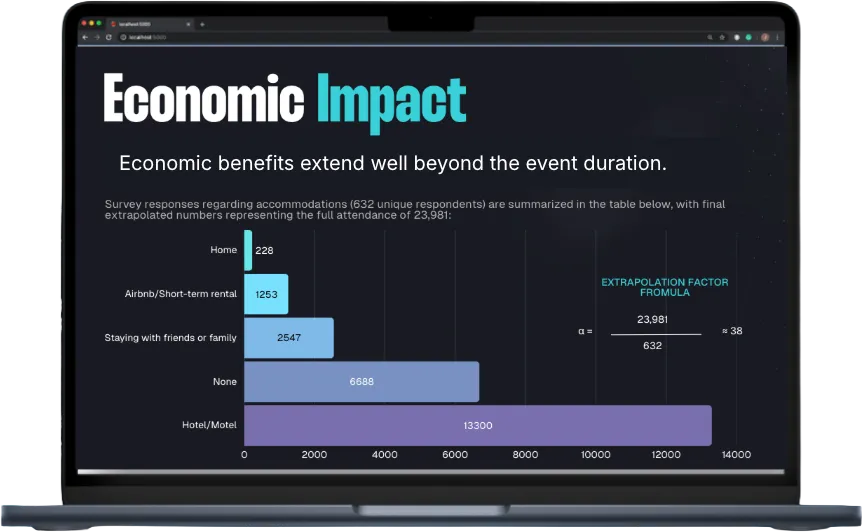
- Spacing games with 20 to 30 minute gaps between rounds gives families time to shop vendor booths, which increases per-attendee spend and makes sponsorship activations more visible. With tournament travel distance data, properly coordinated events can generate $3-4 million in local economic impact, making scheduling decisions even more valuable to host communities and sponsors alike.
- Scheduling high-profile bracket finals during peak afternoon hours maximizes attendance at the moments sponsors care most about.
- Grouping younger age divisions earlier in the day keeps older, higher-spending demographics on-site longer into the evening.
- Building in a dedicated halftime or break window on your main showcase field creates a natural activation slot you can sell to a title sponsor.
So, when you sit down to map out your schedule, treat those structural choices as part of your event's financial plan, not simply a logistics checklist.
What Good Tournament Schedule Building Looks Like: Rising Stars Cup
Rising Stars Cup is an academy-level youth soccer tournament founded by Aarin Foye near Washington, D.C. with a mission to expand access and opportunity for Black and Brown athletes. From its first year operating at scale, the event attracted U8–U12 academy teams from elite domestic and international clubs (including RB Leipzig, Philadelphia Union, Chicago Fire, and the NY Red Bulls) bringing pro-level competitive expectations that most youth tournament infrastructure is not built to handle.
The scheduling challenge was real. Multiple age divisions, international teams with tight travel windows, and elite clubs accustomed to professional-grade organization all had to fit into a coordinated schedule across multiple fields. A single conflict such as a team playing back-to-back games, a field double-booked, or a bracket that didn't sequence cleanly, would have undermined the credibility Aarin was working to build from day one.
Running on Fastbreak, the Rising Stars Cup team was able to:
- Build and publish balanced match schedules with age divisions properly grouped so families and coaches always knew where to be.
- Repair and rebuild schedules in minutes when last-minute changes came in, including late-night adjustments, without disrupting the broader bracket.
- Update scores and standings in real time so teams could track their advancement path without confusion.
- Secure 500+ room nights through integrated travel management, giving families clear booking options tied directly to field locations.
Why This Matters in Practice
The feedback from elite clubs after the event focused on two things: smooth registration and on-time scheduling. Those are exactly the variables that collapse under manual management at this level of competition. As Aarin put it: "The feedback from teams was incredible. They loved how smooth registration and scheduling were, especially the international clubs. Fastbreak helped us create something special, and this is just the beginning."
Getting the structure right before the first whistle blows is what separates a tournament that earns repeat registrations, like the Rising Stars Cup securing 500+ room nights and praise from international clubs, from one that spends the weekend fielding complaints about field conflicts and schedule errors. Read the full Rising Stars Cup success story to see how it came together.
Choosing a Platform for Tournament Schedule Building as a Soccer Tournament Director
As a tournament director, the scheduling decisions you make early will shape everything from team satisfaction to venue logistics. Having the right software in your corner makes those decisions noticeably easier to execute.
Fastbreak is built for exactly this kind of work. The software lets you set up bracket structures, assign fields, manage time slots, and handle conflicts without rebuilding your schedule from scratch each time something changes. That flexibility matters when you're coordinating multiple age groups, multiple venues, and dozens of games across a weekend.
Here are a few things to look for in any scheduling software you consider:
- Support for multiple bracket formats (round robin group stages, single elimination, double elimination, and pool play) within the same event, so a 48-team tournament with U10 pool play and U17 knockout rounds runs on one schedule instead of two separate builds
- Automated field and time slot conflict detection that flags double-bookings before the schedule is published, not after coaches start arriving on-site
- Real-time schedule sharing via a mobile app or shareable link so coaches, referees, and families always have the current version, not a PDF that was accurate three days ago
So, when assessing your options, focus on software that reduces back-and-forth and keeps your schedule accurate as changes come in.
FAQ
Can I build a tournament schedule for a soccer tournament without scheduling software?
Yes, but you'll spend noticeably more time managing conflicts by hand and will likely need to rebuild parts of your schedule multiple times as changes occur. Software handles field availability, rest time rules, and bracket progression automatically, which reduces errors and saves hours of work across a multi-day event.
What's the best way to handle housing logistics for a soccer tournament?
Communicate stay-to-play requirements clearly during registration so families understand booking expectations before they commit. Match hotel blocks to team counts by age group instead of total registrations, and set cutoff dates that align with your registration deadlines to avoid holding unsold rooms or scrambling for overflow accommodations.
How long should rest periods be between games in a youth soccer tournament?
Most youth soccer tournaments space each team's games at least 90 minutes apart to allow for adequate rest and warm-up time. This window prevents competitive imbalances where one team plays back-to-back while another gets extended recovery, and it gives families predictable downtime between matches.
Soccer tournament scheduling platform vs spreadsheet management?
A platform like Fastbreak automates conflict detection across fields, time slots, and brackets, and lets you adjust for last-minute changes without rebuilding your entire schedule. Spreadsheets require manual tracking of every variable and become error-prone at scale, especially when managing multiple age groups across multiple venues.
What scheduling decisions have an impact on tournament revenue?
Spacing games with 20 to 30 minute gaps between rounds gives families time to visit vendor booths and increases per-attendee spend. Scheduling high-profile finals during peak afternoon hours maximizes attendance when sponsors care most, and grouping younger divisions earlier keeps higher-spending demographics on-site longer into the evening.


