





Families Don’t Want Another Youth Sports Mobile App
You're deep in planning for a weekend tournament when someone on your team floats the idea: "Should we build a custom app for all our events?"
It sounds like the right move. A branded app feels professional. It signals your organization has its act together. It puts your logo on every family's home screen. And if your competitors have one, shouldn't you?
Here's the honest answer: No.
You'd be spending real time and money on something your customers didn't ask for, don't want and won't keep past Sunday night on their drive home.
The data backs it up.
The Problem with "Download Our Branded App"
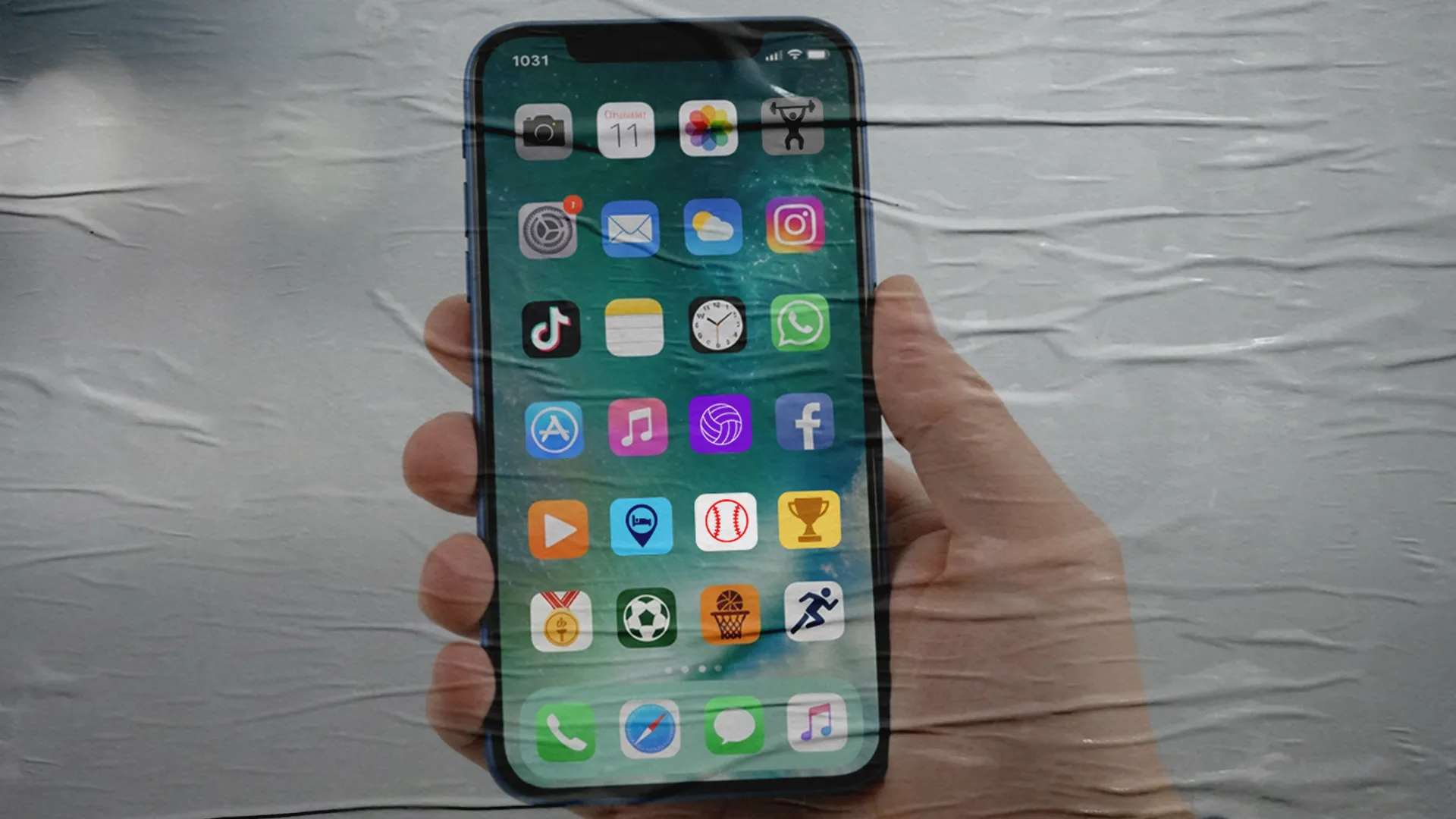
Think about what you're asking a family to do when you direct them to a custom-branded youth sports tournament app.
They get an email or do a Google search for the tournament they're registered for. They find your website, then the app store listing. They download your mobile app, create an account, set a password, and verify an email. They navigate an unfamiliar interface. They do all of this while managing three kids, three minutes before they need to leave the house to arrive on time.
And after the weekend? Removed.
The average smartphone user has around 80 apps installed but actively uses only about 9 of them on any given day, according to data from Statista and app analytics firm Adjust. The friction is even bigger before the download ever happens. Comscore research found that 65% of Americans won't download a single new app in any given three-month period. They've hit their limit.
And the ones who do download? Researcher Andrew Chen's widely cited analysis shows 77% of users abandon an app within three days of install. For a tournament built around a single weekend, that math is brutal.
Most of the rest of their apps are ignored, buried in folders, or quietly removed by the phone to save storage space. Sports event apps, the kind built for a specific tournament or weekend, underperform even those low standards. Research from Localytics found that more than 21% of users abandon an app after a single use, and apps downloaded for one-time events rarely survive the weekend they were built for.
The friction isn't just annoying. It costs you. Fewer ticket purchases. Fewer hotel bookings through your travel partners. Less engagement with your sponsors. Every extra step between a family and a transaction is a drop-off point.
What Families Actually Want on their Mobile Phones
Strip it down to what parents and athletes are really asking for at a tournament:
- Where are we playing, and when?
- What's the score in the other bracket?
- Real-time alerts when games move, delay, or get cancelled.
- How do I buy tickets without waiting in a cash line?
- Which hotel has availability and is closest to the venue?
None of those things requires a custom-branded app. They require a fast, mobile-first experience that parents and families can use every weekend.
That's the idea behind the Fastbreak App. Families use it across every event powered by the platform, so returning families already have it on their phone. New families download it once and keep it for every event after. They search for or scan a QR code and land directly on your event. If their club runs team messaging in the Fastbreak App, they're already following their team's schedule there. They tap for venue directions and go.
You get a branded operator profile and a polished event experience to match. Families get everything they came for.
A Branded App Is Often Worse Than No App at All
Here's the part most tournament operators miss: every branded tournament app that families do download is usually worse than no app at all.
Most of these apps are just thin wrappers around a website. They open a mobile browser inside an app icon, with none of the native functionality families expect on their phone.
No real-time updates. No venue directions.
Just a slower version of the website they can already pull up in their mobile browser, with an extra download step in front of it.
And the "branding" payoff? A 60-pixel icon buried on the last page of a parent's home screen, behind the airline app they used once in 2023 and the QR scanner they forgot they installed.
Forrester research shows 80% of consumers' app time is spent on just five apps. Your tournament app isn't one of them. It never will be. That's not marketing, it’s just clutter with your logo on it.
That’s why branded event apps get deleted before Sunday's last whistle.
Why So Many Tournament Operators Have Branded Apps
The branded app trend didn't start with families asking for one. It started with software vendors.
Tournament software vendors began offering branded apps as an add-on a few years back, usually close to free. Operators saw competitors offering one, asked their vendor for the same thing, and the vendor said yes. More operators saw more competitors with apps and asked for theirs. The cycle has been running ever since.
It's also an easy feature for a vendor to ship. The branded app feeds the operator's pride without actually moving the numbers that matter. Registrations don't go up. Ticket sales don't go up. Family satisfaction doesn't go up. But there's your logo on a home screen somewhere, and that feels like progress.
None of it traces back to a parent saying, "I wish this tournament had its own app." Families never asked. Operators asked because other operators asked.
Look at just about any tournament organization with a branded app right now. Same low download numbers. Same one-star reviews. Same parents complaining about it in the parking lot. The branded app isn't a competitive advantage at all, it's a legacy mistake a lot of operators have made at the same time.
The better move is to stop watching your competitors and start listening to your customers. Build the experience they actually want, not the features your vendor is pushing.
What Actually Works for Sports Tournament Operators
Schedules and Real-Time Alerts on a Phone They Already Use
The single most frequent question at any tournament: "Where and when do we play?" The second most frequent: "Did anything change?"
When a family has to email the tournament director, dig through a Facebook post, or refresh a PDF bracket on a slow gym Wi-Fi connection, you've already lost the experience. Schedule confusion is one of the biggest drivers of inbound questions to tournament staff, and every one of those questions is a volunteer pulled off another job.
Mobile-first schedules means a family can find their team's games. Real-time updates push to their phone the moment a game moves, delays, or gets cancelled. Nobody has to ask.
For the operator, it's one update instead of fifty text messages from fifty parents. For the family, it's certainty in the only currency that matters at a tournament weekend: time.
Live Scores That Update Without a Refresh Button
The third question every parent asks during a tournament: "What's the score in the other bracket?"
It's the question that drives the most random gym wandering, the most repetitive sideline conversations, and the most "wait, who won?" texts between parents who haven't seen each other since Friday. And in most tournaments, the answer is on a whiteboard somewhere, or maybe a PDF that gets updated when a volunteer remembers.
Live scoring solves it. As officials and scorekeepers enter results, scores push instantly to every family following any team. Parents at field 7 know exactly what happened at field 2 without leaving their chairs.
For families with multiple kids on multiple teams, this is the difference between a stressful weekend of guessing and a relaxed weekend of knowing. For operators, it's one more reason families remember your event as the one that worked.
Registration That Meets Families Where They Are
The same principle applies to registration. The teams you want to attract are busy. Coaches are managing rosters, travel, and schedules across multiple events. Parents are juggling payments and paperwork for multiple kids on multiple teams.
When registration is complicated, with multiple platforms, separate logins, and PDFs to print and sign, you lose people before they commit. Research by McKinsey found that simplifying a digital registration process by reducing steps can improve completion rates by up to 40%. A 2023 study from the Sports & Fitness Industry Association (SFIA) found that ease of registration ranked as the #2 factor families consider when choosing which tournaments to attend, behind only location. When it's simple, you get more completed registrations and fewer follow-up emails asking for help.
With Fastbreak AI for tournaments, registration, payments, scheduling, scoring and event websites live in one place.. Families can register multiple teams across multiple events in a single checkout.
Ticketing Without the Mobile App Headache
You know this scene: a cash box at the gate, a volunteer who's never done this before, and a line stretching halfway across the parking lot.
The cash trend at events is clear. Cash now accounts for just 14% of consumer payments in the U.S., according to the Federal Reserve's 2024 Diary of Consumer Payment Choice. When venues go fully cashless, the upside is measurable. In the big leagues, Mercedes-Benz Stadium reported over $350,000 in operational savings and a 16% per-capita spending lift in its first fully cashless year.
That's the gap between what families want at the gate and what most tournament operators still ask them to do.
The fix is mobile-first ticketing that meets families where they already are. Fans buy tickets from their phones before they arrive and get them by text or email to show at the gate. No app. No account. No download. Staff sell and scan from the phones and tablets they already use.
Fastlane lets fans 18 and older upload a photo at checkout and walk through the gate without pulling out a ticket. It's available on request and runs on iPad-class devices. Tap to Pay handles walk-up sales. And if WiFi or cell service drops at your venue, an offline safety net keeps check-in going.
Every ticket can carry your sponsor's branding. And when the weekend ends, you're not counting cash in a parking lot.
The Smarter Path to More Professional Events
A custom-branded mobile app won't make your tournaments look professional. But, removing friction and providing an exceptional customer experience will.
Smooth registration. App-free ticketing. Schedules and real-time updates that hit families' phones the second something changes. Hotels close to the venue, with group rates our contracting team negotiates. That's what families will remember about their weekend, and that's what brings teams back next year.
Fastbreak AI is built around a simple operating principle: every step between a family and a great experience is a step worth removing. Fastbreak AI brings registration, scheduling and scoring together, with ticketing, travel and sponsorships ready to add. Families follow it all in the Fastbreak App. No special app to download every weekend.
That's what running tournaments the right way looks like in 2026. If you want to see how it works for your next event, we're ready to show you.
FAQs
Do families actually download custom youth sports tournament apps?
Rarely, and even fewer keep using them. Comscore research shows 65% of Americans won't download a single new app in any three-month period, and Andrew Chen's widely cited analysis found 77% of users abandon an app within three days of installing it. Apps built for a single weekend tournament perform even worse, with Localytics research showing more than 21% of users abandon an app after just one use.
What do families actually want from a tournament's mobile experience?
Families want to know where and when they're playing, live scores from other brackets, real-time alerts when games move or get cancelled, ticket purchasing without cash lines, and nearby hotel availability. None of these require a custom-branded app; they just require a fast, mobile-first experience families can use on the phone they already have.
Why do tournament operators keep building branded apps if families don't want them?
The trend largely started with tournament software vendors offering branded apps as a near-free add-on, and operators requested them because competitors had one. It became a self-perpetuating cycle rather than something driven by parent demand, and most branded tournament apps end up with low download numbers and get deleted before the weekend is over.
How does simplifying registration affect tournament sign-ups?
McKinsey research found that reducing steps in a digital registration process can improve completion rates by up to 40%. A 2023 Sports and Fitness Industry Association study also found that ease of registration ranks as the second most important factor families consider when choosing which tournaments to attend, behind only location.
What are the benefits of cashless, app-less ticketing at youth sports events?
Cash now accounts for just 14% of U.S. consumer payments according to the Federal Reserve's 2024 Diary of Consumer Payment Choice. With mobile-first ticketing, fans buy tickets by text or email with no app or account needed, and staff sell and scan from the phones and tablets they already use. Large venues such as Mercedes-Benz Stadium have reported operational savings and higher per-capita spending after going cashless.


