


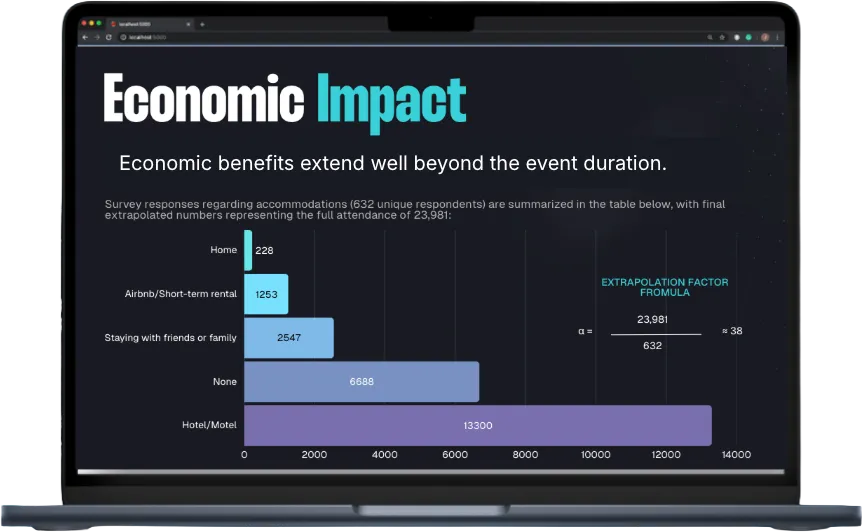





Most tournament directors are stuck in the same trap: registration fees barely cover costs, but raising prices drives teams away. Meanwhile, you're letting thousands of dollars walk through your gates for free, booking hotels without collecting rebates, and missing sponsorship deals because you don't have the right infrastructure. The platforms that generate real ancillary revenue look different from traditional registration software. They turn spectators into ticket buyers, hotel bookings into rebate checks, and brand partnerships into five-figure deposits. We tested the tools that actually add profit to your events instead of just processing entries.
What are revenue sources for youth sports events beyond registration fees?
Registration fees alone no longer cover the true cost of running youth sports events. Facility rentals, insurance, officiating, and staffing expenses continue climbing while families already pay more than ever. The solution isn't charging parents more. It's building revenue from sources that don't touch their wallets. Below are four revenue streams that youth sports events can consider:
- Ticketing turns spectators into a profit center. Most youth tournaments let grandparents, siblings, and friends watch for free, leaving thousands in gate revenue uncollected.
- Housing rebates reward you for something teams already do.
- Sponsorships bring brands directly to your fields. National and regional companies pay to access youth sports audiences through on-site activations, banners, and digital exposure. The sports sponsorship market reached $64.1 billion in 2024 and is projected to grow to $144.9 billion by 2034, with over 43% of new deals supporting regional leagues and youth sports programs.
- Media sales and merchandise round out the stack. AI-powered event photography lets parents purchase images of their athlete, while team stores and concessions add margin on every transaction. Family spending on youth sports rose 46% over five years, but that money doesn't have to come from higher registration fees when you activate these channels correctly.
How we ranked tools that generate ancillary revenue
We assessed each solution on four criteria:
- number of revenue channels it activates,
- implementation speed,
- integration depth with existing registration systems, and
- verifiable ROI.
Tools that bundle multiple monetization methods ranked higher than single-purpose products because stacking revenue sources delivers compounding returns. Pricing transparency mattered as well. Solutions that take a percentage of revenue you generate ranked above those charging flat monthly fees regardless of your results.
Best Overall Revenue Solution: Fastbreak AI
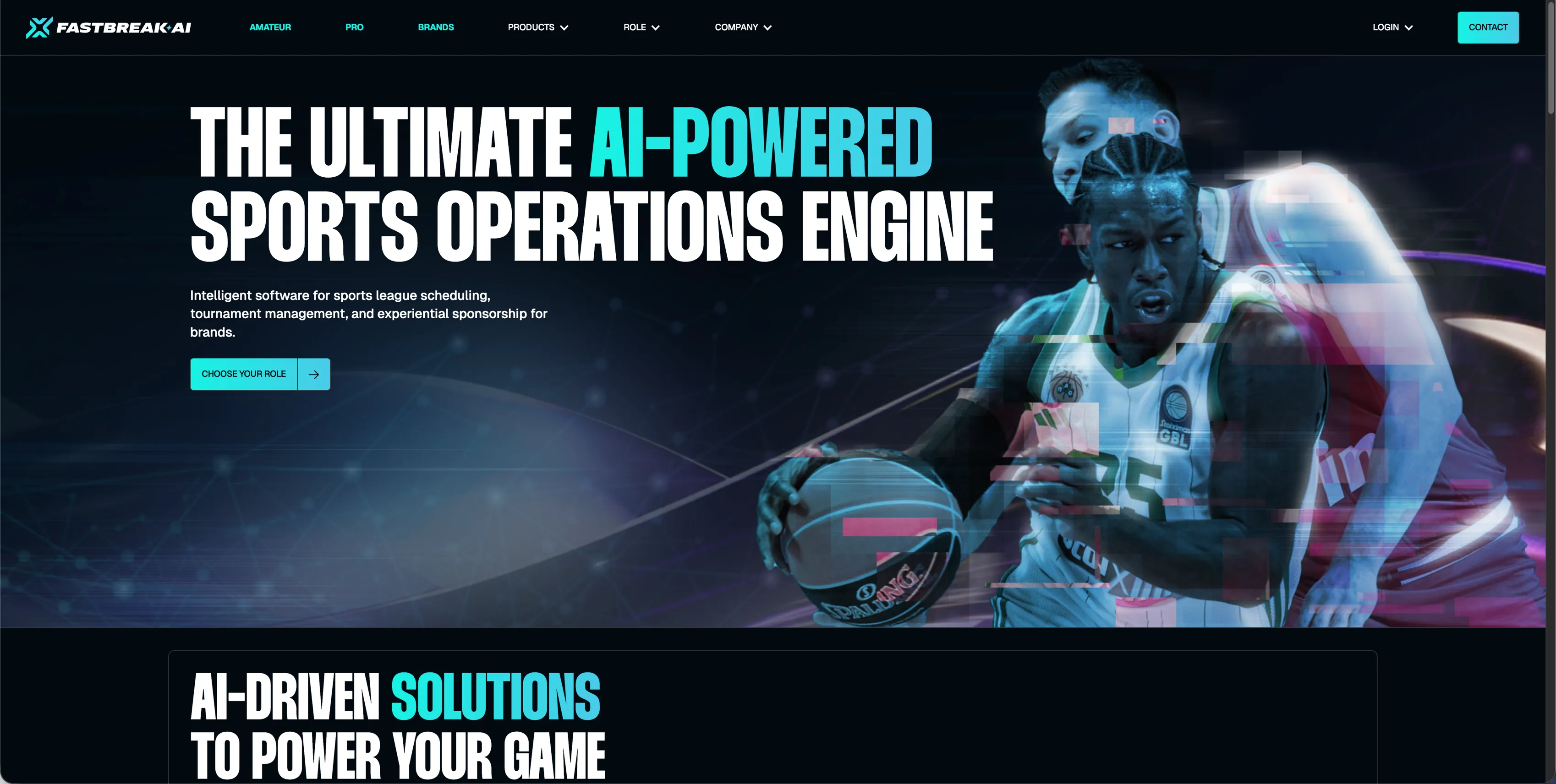
Fastbreak AI turns youth tournaments into revenue-generating operations through integrated housing rebates, mobile ticketing, AI photography, and sponsor activations. Fastbreak AI provides for additional revenue stream opportunities. Combining these streams can add net revenue per large event. Software costs get covered while margins expand, all without raising registration fees for families.
Hotel Rebates and Stay-to-Play Compliance
Fastbreak Travel connects organizers directly to hotel inventory through bi-directional portals. Hotels see live booking data, organizers monitor room blocks in real time, and both sides work from the same source of truth.
Mobile Ticketing with Sponsor Delivery
Fastbreak Ticketing runs as a cashless gate system. Digital passes land directly in Apple Wallet or Google Pay with no app required. The key feature: sponsor coupons inject onto the same pass families use to enter. Scanners work offline at field complexes without cell service.
National Brand Activations
Fastbreak Connect aggregates events into a marketplace where national brands buy on-site activations. Brand ambassadors handle setup, booth management, and sampling. Organizers receive sponsorship checks without staffing the activation themselves.
Sports Engine
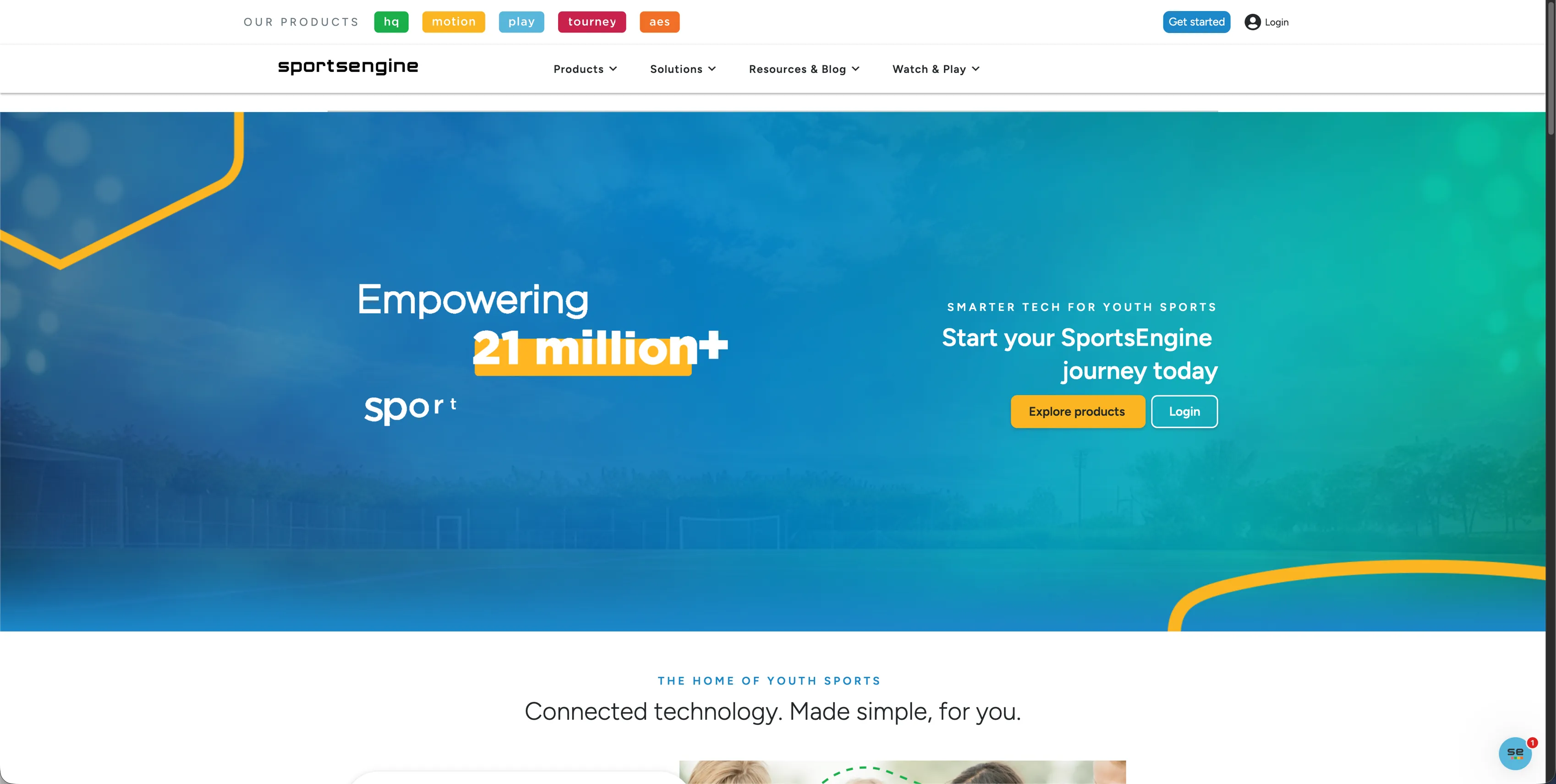
SportsEngine carries brand recognition across youth sports, but the underlying structure reveals a patchwork of acquisitions instead of a unified platform. Tourney Machine handles brackets, SportsEngine HQ manages registration, and background checks run through a separate NCSI acquisition. Each piece was built independently before getting rolled into the parent company, which creates friction when you need data to flow between products.
Key Features
- Tourney Machine Integration: Bracket generation and tournament management tools that handle pool play, elimination rounds, and scoring across multiple sports formats.
- SportsEngine HQ Registration: Online registration processing with payment collection, waiver management, and team roster building for leagues and tournaments.
- Background Check Services: NCSI-powered screening for coaches and volunteers to meet state compliance requirements and insurance mandates.
- Website Builder: Templated site creation for leagues and tournaments with basic content management and communication tools for parents.
Limitations
- Fragmented Data Flow: Products don't share information automatically because they were built as separate companies, forcing manual data entry across multiple systems.
- Heuristic Scheduling: Bracket generation uses simple rules instead of mathematical optimization, creating schedules that work but aren't efficient for travel, rest, or venue utilization.
- No Revenue Generation Tools: Zero housing rebate systems, no mobile ticketing with sponsor content delivery, and no marketplace connecting you to national brand activations.
- Subscription Cost Without ROI: Annual fees cover software access but don't add profit to your bottom line. In essence, you're paying for administration tools, not revenue partners.
Who It Works Best For
SportsEngine fits existing leagues and clubs that need year-round registration processing and basic tournament brackets without revenue optimization requirements. If you're running recreational leagues where schedule efficiency matters less than simply getting games on the calendar, the familiar interface and brand recognition provide comfort. The platform works when you already have separate systems for housing, ticketing, and sponsorships and just need software to handle registration and bracket publishing.
GotSport
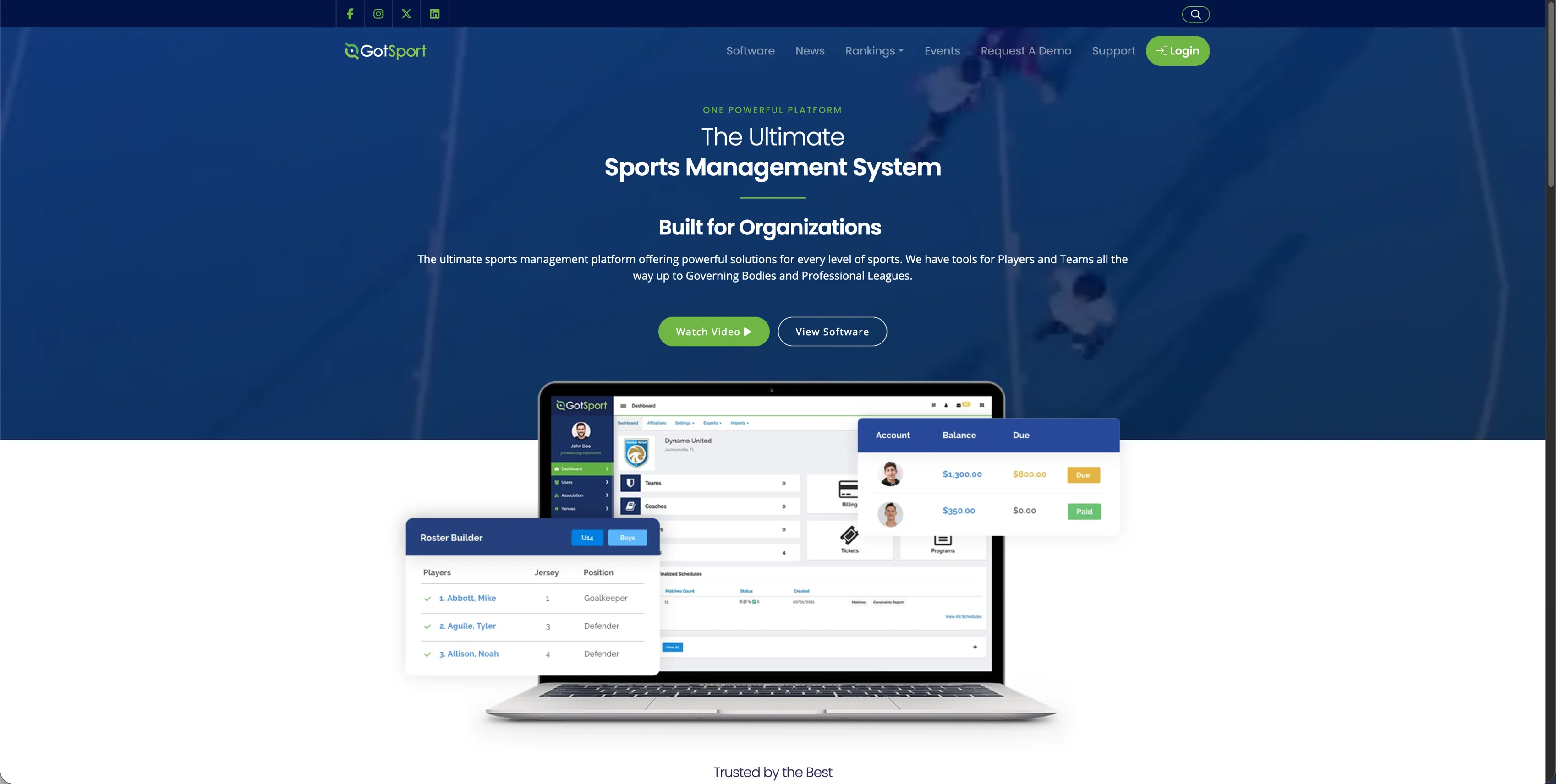
GotSport handles state-mandated soccer registration and player verification. State associations require it for eligibility tracking, which locks you in regardless of how the interface performs. The system verifies that players are rostered correctly and meet age requirements for competitive play, functioning as the gatekeeper between clubs and sanctioned tournaments. Beyond compliance checking, the platform offers basic tournament bracketing and scheduling tools that generate matchups without optimizing for travel efficiency or venue utilization.
Key Features
- State Association Integration: Direct connection to US Youth Soccer and other governing bodies for player eligibility verification and roster compliance.
- Player Card System: Digital player passes that verify registration status and age eligibility at tournament check-in.
- Basic Tournament Bracketing: Simple bracket generation for pool play and elimination rounds with score tracking and standings updates.
- Club Rostering Tools: Team management interface for coaches to build rosters and submit player documentation for verification.
Limitations
- Compliance-Only Focus: Built exclusively for registration verification without tools for revenue generation, cost reduction, or improved operations.
- No Ancillary Revenue Channels: Missing housing rebate systems, mobile ticketing, sponsor activations, and media sales capabilities that generate tournament profit.
- Mandatory Fees Without Value Add: Required by state associations regardless of feature quality, creating a captive market with limited incentive to improve.
- Basic Scheduling Logic: Bracket generation uses simple rules without optimization for travel distance, rest time, or venue capacity constraints.
Who It Works Best For
GotSport works for soccer tournament directors who need to meet state association requirements for player eligibility verification. If you're running sanctioned competitive soccer events where roster compliance is mandatory, the platform provides the verification infrastructure that governing bodies require. The system fits when you only need to confirm players are legally rostered and age-appropriate for their division. It breaks down when you need tournament software that generates ancillary revenue, optimizes schedules around travel logistics, or provides tools beyond basic compliance checking. You use GotSport because state associations mandate it, not because it improves your tournament economics or operational improvement.
Stack Sports
Stack Sports bundles registration, rostering, and practice scheduling across separate products: PlayMetrics for club operations, SportsEngine HQ for registration, and background check tools for compliance. Each piece comes from a different acquisition, which means you're working with disconnected interfaces that don't share data cleanly. The suite fits year-round clubs that need league management and admin tools.
Key Features
- PlayMetrics Club Management: Practice scheduling, facility booking, and coach coordination tools designed for year-round club operations.
- Multi-Product Registration: SportsEngine HQ integration for online registration, payment processing, and roster management across leagues and tournaments.
- Background Screening: Integrated compliance tools for coach and volunteer background checks to meet insurance and safety requirements.
- Communication Tools: Email and text messaging systems for league administrators to reach coaches, players, and parents.
Limitations
- Disconnected Product Stack: Separate acquisitions that don't share data automatically, requiring manual entry across multiple systems for tournament operations.
- No Revenue Generation Infrastructure: Missing housing rebate management, sponsor-enabled ticketing, AI media sales, and brand activation marketplaces.
- Club-Focused instead of Tournament-Optimized: Built for year-round league management instead of event-based revenue optimization and logistics.
- Subscription Fees Without ROI: Monthly costs cover administrative software access but don't add profit through ancillary revenue channels.
Who It Works Best For
Stack Sports fits existing clubs running year-round programs where practice coordination and league registration matter more than tournament revenue optimization. If you're managing multiple teams across seasons with regular facility bookings and need parent communication tools, the integrated suite handles those workflows. The platform works when you already have tournament revenue streams arranged separately and just need software to process registrations and schedule practices. It breaks down when you need housing rebates to offset facility costs, when sponsor activations must integrate with ticketing systems, or when you're trying to stack multiple revenue channels that share data automatically to generate profit beyond registration fees.
LeagueApps
LeagueApps works for year-round club management with coaching tools and registration processing, but the pricing structure includes high setup fees and recurring monthly costs that suit clubs with existing budgets more than lean tournament operations. The system relies on external partners like Yardik and Ankored for background checks and verification instead of building tournament logistics internally. This creates integration dependencies where data entered once may not sync correctly across all services.
Key Features
- Registration and Payment Processing: Online registration with flexible payment plans, installment options, and automated billing for leagues and camps.
- Coaching Management Tools: Practice planning, attendance tracking, and communication features designed for year-round coaching staff coordination.
- Parent Communication Portal: Centralized messaging system for league administrators to send updates, schedules, and announcements to families.
- Third-Party Integrations: Connections to external services like Yardik for background checks and other verification partners for compliance needs.
Limitations
- High Setup and Monthly Costs: Pricing structure includes a lot of upfront fees and recurring charges that favor existing clubs over event-based tournament operations.
- External Integration Dependencies: Relies on third-party partners for critical functions, creating potential data sync issues and requiring multiple vendor relationships.
- No Tournament Revenue Tools: Missing housing rebate systems, sponsor-enabled ticketing, AI media sales, and brand activation marketplaces that generate ancillary income.
- Club-Centric instead of Event-Optimized: Built for ongoing league operations and member management instead of tournament-specific revenue generation and logistics.
Who It Works Best For
LeagueApps fits existing clubs with consistent membership bases where year-round engagement and coaching coordination drive operations. If you're managing recreational leagues with regular practice schedules and need tools to communicate with parents about seasonal programs, the platform handles those workflows. The system works when you have budget allocated for software subscriptions and can absorb setup costs across multiple seasons of use. It breaks down when you're running tournament operations that need ancillary revenue to offset facility costs, when housing rebates must integrate with scheduling systems, or when you need multiple monetization channels working together automatically to generate profit beyond registration fees without raising costs for families.
Feature Comparison Table of Revenue Generation Solutions
This comparison assesses how different solutions handle hotel rebates, sponsor-backed ticketing, media sales, brand partnerships, and data flow. The distinction matters: some tools schedule games, others generate profit that pays for themselves.
Tools that combine multiple revenue streams inside one system deliver higher ROI than point solutions requiring manual data transfer.
Why Fastbreak AI is the best revenue generation solution for youth sports events
Scheduling that cuts costs, ticketing that delivers sponsors, housing that generates rebates, and media that converts attention into transactions. These capabilities work as one system where data flows instantly and revenue compounds automatically. That integration gap explains why competitors charge fees while we add profit.
Final thoughts on maximizing tournament profitability
You can't control facility costs or insurance premiums, but you can control how much ancillary revenue sports tournaments generate from housing, sponsors, and media sales. Stacking those channels inside one system turns software from an expense into a profit center that pays for itself.
FAQ
How do I choose the right revenue generation platform for my tournament?
Start with the revenue channels you need most: if housing rebates matter, verify the system models travel into scheduling before brackets publish. If sponsor activations drive your budget, confirm access to national brand marketplaces. Single-purpose tools cost less upfront but cap your revenue ceiling, while integrated platforms stack multiple income streams that compound returns across the same participant base.
Which revenue tools work best for small recreational leagues versus large multi-day tournaments?
Small leagues with under 100 teams can operate on basic ticketing and registration tools that charge per transaction. Large tournaments managing 200+ teams across multiple days need integrated systems where scheduling, housing, ticketing, and sponsorships share data automatically. The breakeven point sits around 150 teams: below that threshold, manual coordination works; above it, disconnected tools cost more in lost revenue than integrated platforms charge in fees.
Can I generate hotel rebates without enforcing stay-to-play requirements?
Hotel rebates require contracted room blocks with minimum night commitments. You can't capture organizer rebates when teams book independently through consumer sites. The math works when your scheduling system models housing into bracket design before registration opens, letting you compress room nights across fewer properties and enforce compliance automatically through registration workflows.
What's the difference between ticketing systems built for concerts versus sports tournaments?
Concert ticketing treats every event as a single-day, fixed-seat performance with static inventory. Sports tournaments need dynamic capacity across multiple venues, real-time schedule updates when weather delays cascade, and family-based pricing where one transaction covers multiple spectators. The best tournament ticketing injects sponsor content directly onto digital passes and works offline at remote field complexes without cell service.


