






The game has changed. The tech should too.
Every Saturday morning, thousands of tournament directors show up before sunrise to set up fields, sort through paper registrations, and manually build schedules on spreadsheets that inevitably break by noon. Meanwhile, the families they serve (the parents who drove three hours and booked two hotel rooms) are refreshing a PDF schedule that hasn't been updated since Thursday.
Youth sports deserve better than this.
The technology that runs professional leagues (AI-powered scheduling, real-time updates, mobile-first experiences) has historically been out of reach for the people running youth tournaments and amateur leagues. That gap isn't just an operational inconvenience. It shapes the entire experience for every athlete and family who shows up expecting something memorable.
Here's why closing that gap matters.
Schedules Are the Foundation of Every Sports Experience
Ask any parent what ruins a tournament weekend, and the answer is almost always the same: schedule chaos. Games moved with no notice. Conflicts that mean a coach can't be in two places at once. Three teams sitting idle while another field runs two hours behind.
These aren't small complaints. A broken schedule sends a signal: the event wasn't planned well, the organizer doesn't value people's time, and maybe next season they'll find a different tournament.
AI scheduling changes the math. Built on the same scheduling technology Fastbreak uses for professional leagues like the NBA, NHL, MLB and MLS, it can build a full schedule for a 64-team youth soccer tournament in minutes from the rules you set, like venue hours, divisions, guaranteed games and coach requests, and flag any rules that conflict. What used to take days of manual work now takes minutes, and you can edit and re-run it any time.
Better schedules mean better weekends. It really is that simple.
Families Are Mobile. The Experience Should Be Too.
Youth sports is a mobile-first world. Parents are on their phones on the sideline. Athletes are checking scores between games. Coaches are messaging parents from the parking lot. And yet, the information infrastructure most tournaments run on (printed schedules taped to fences, email blasts that go to spam, websites that haven't been updated) was built for a different era.
When families have a single app that shows them their schedule and scores in real time, sends updates when a game moves and gives them venue directions, and tickets arrive by text or email with no app or account needed, the whole experience changes. The chaos drops. The complaints drop. The sense that this organization is professional and worth coming back to goes up.
Technology doesn't replace the human work that makes youth sports special. It removes the friction that gets in the way of it.
Tournament Operators Deserve Revenue, Not Just Costs
Running a youth sports event is expensive. Fields, refs, insurance, equipment, staffing: the costs add up fast. And for most operators, the only revenue lever they have is registration fees. Raise them too high and families stop coming. Keep them low and the math doesn't work.
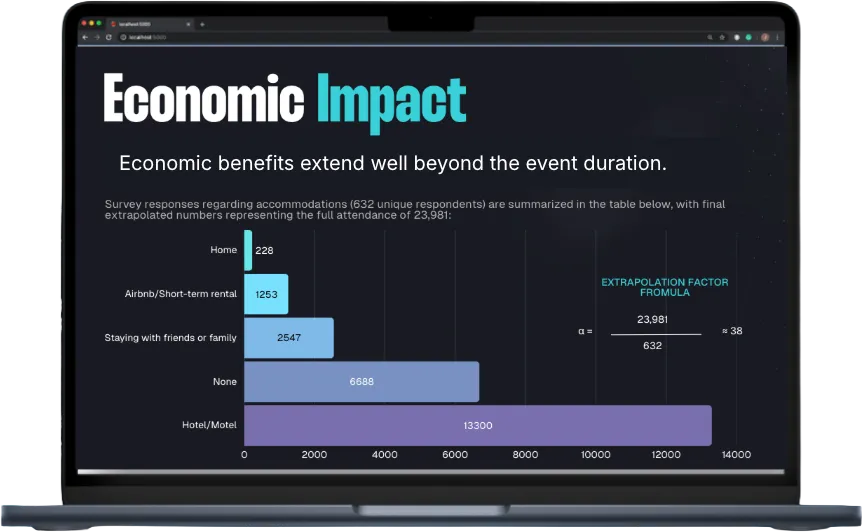
Technology opens new revenue streams that didn’t exist before. Mobile ticketing turns spectators into a revenue source without adding complexity at the gate. Stay-to-play travel programs turn hotel bookings into rebate income. Sponsorship activation, done well, puts brands in front of families who actually show up in person, something digital advertising increasingly can’t deliver.
When operators can run events that are financially healthier, they reinvest in better venues, better refs, better experiences. The whole ecosystem benefits.
The Kids Notice
This might be the most important point.
Young athletes pay attention to how events are run. They notice when their schedule is posted before they arrive. They notice when scores update in real time on their phones. They notice when the venue has clean facilities and the check-in line actually moves. They notice when the whole experience feels like it was planned for them, not just tolerated.
Sports teach kids discipline, teamwork, resilience, and how to compete. But the environment around those lessons matters. A well-run tournament communicates something to a 12-year-old: you matter, this matters, the people running this cared enough to do it right.
That's not a minor thing. That's the difference between a kid who stays in sports and one who quietly drifts away.
Pro-Grade Technology, Built for Amateur Sports
The opportunity in front of youth and amateur sports is significant. The operational complexity is real, it’s just been met with inadequate tools for too long.
The future looks like this: tournament directors who generate balanced schedules in minutes, with any rule conflicts flagged before they publish. Club administrators who manage tryouts, rosters, and communications in one place instead of five. League operators who can publish scores and send updates without touching a spreadsheet. Families who arrive knowing exactly where to go, when to be there, and how to get the most out of the weekend.
That future is here. The organizations that embrace it will run better events, retain more participants, and build the kind of reputation that fills registration pages in the first hour they open.
The game has always been great. The technology running it should be too.
Fastbreak AI is the connected platform for tournament directors, club administrators, league operators, and the athletes and families they serve. Learn more at fastbreak.ai.


