






Top of the 9th with Niccolo Posarelli
Each edition of Top of the 9th, we sit down with the people who make sports exceptional. Fastbreak AI sits down with a different insider from across the sports world to hear what's actually happening, what's changing, and what's coming next.
Nine questions, no filler, straight from the source.
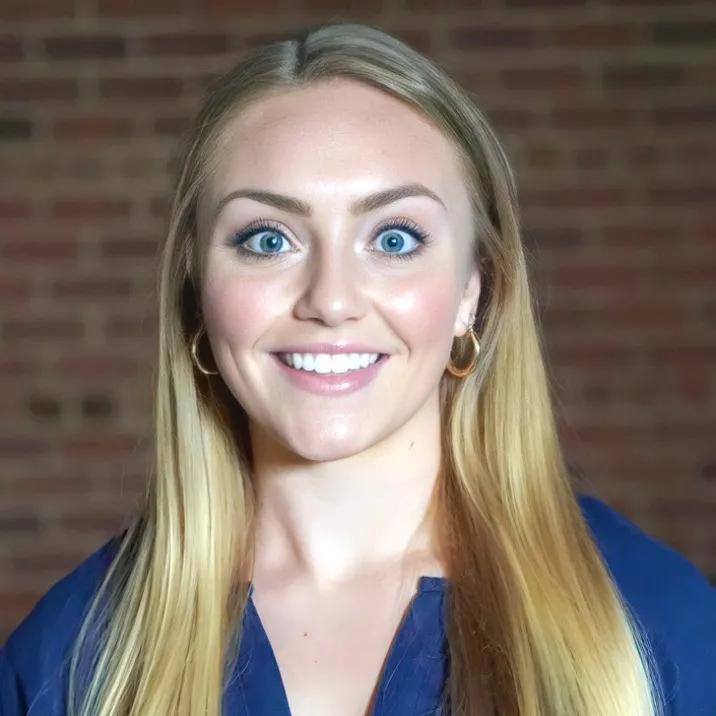
In this edition, Fastbreak AI spoke with Niccolo Posarelli, founder of Front Runner Sports, to discuss the changing tide of sports operations, the reality of NIL, and why the future of athlete branding is all about the "day in the life."
1. Briefly share your background and how you got into this space.
I started Front Runner about five years ago. I worked at a few firms before realizing there was a missing bridge of trust for players transitioning from college to the pros. I was 21 or 22 at the time and felt I could relate to them better. I listened to the same music and skipped the "suit and tie" talk. They wanted people who care about who they are without the helmet on as much as when they have it on. Today, we have about 100 guys in the NFL.
2. What themes are you seeing in the youth and professional sports space?
Specialization is happening earlier. By age 10 or 12, kids are picking "their thing" and rolling with it. You have high schoolers in the top 15 of hoops or football making more money than some pros. It’s a landscape where you're being recruited and talking "dollars and cents" before you even have your own bank account.
I think something else that brands are starting to understand more and more is that younger athletes are fluent in social media. They create content that’s not just sharp and relevant, but also authentic and in tune with the latest trends. They don’t need an agency to come up with a concept or someone to help them film; a lot of them are already doing it themselves. This makes them especially valuable to brands trying to keep pace with a fast-changing digital landscape.
3. How has the NIL landscape changed from Year 1 to today, and where do you see the "bubble" bursting (or expanding) in the next 12 months?
In Year 1, it was 100% outside dollars from local or national companies. Now, only about 5% to 8% comes from traditional marketing asks. The other 90% plus comes from school-related contracts just to play. I don’t think the bubble will burst. Instead, alums and schools will get more creative to stay competitive.
4. What is the biggest misconception fans (or even parents) have about how NIL deals are actually structured?
That it’s effectively now a "salary system." While NIL was once a marketing play, at the elite youth and collegiate levels, it has transitioned into a professional compensation model.
Most of what is labeled "NIL" is just school-adjacent funding to ensure an athlete stays on the team. There is often no actual promotional work involved. Instead, the industry uses creative loopholes, such as donor dinners or signing memorabilia, to secure players' resources and keep them on campus. It’s essentially a pro contract disguised as an endorsement.
5. Is there a peak season for signing deals, and what signs in the football space tell you where the industry is headed?
There isn't a set time when most deals happen, but players definitely get more opportunities in the off-season when they have fewer demands on their schedule.
During the season, if a player is doing well in a big game, the phone can light up with new offers. But on-field performance matters. A few bad games, injuries, or even just not getting enough touches can slow down the interest from brands.
With the rise of sports betting, fans take player stats personally, and sometimes leave negative comments if their favorite doesn’t perform. Brands don’t want to get caught in that kind of backlash, so they pay close attention to how things are going on the field and online. If a team is struggling, or fans think a player is distracted by off-field deals, it can also affect how well a promotion does. We’re seeing more athletes who are comfortable in the spotlight year-round, but their on-field performance still drives most of the action behind the scenes.
6. What is your process or considerations for ensuring a brand’s values actually align with an athlete’s personal brand?
We make sure brand partnerships feel natural. If a brand doesn’t fit with an athlete’s real life, fans notice, and it doesn’t work for the brand or the athlete. So, we start by looking at what’s already part of the athlete’s day-to-day: what they eat, drink, listen to, or do for fun. The best deals come from knowing the athletes well and finding brands that actually match their personalities.
7. What are brands looking for out of these partnerships? How has it changed since the beginning of NIL?
In the beginning, brands just wanted to get their name out there. Now, they want to stand out with content that feels fresh and real. For companies looking to break into sports, partnering with an athlete as a brand ambassador is one of the most effective moves.
A player’s story and personality can humanize the brand, making it relatable and memorable to fans. Athletes personify the brand’s values in a way that feels authentic, transforming a corporate logo into a real connection with the audience. By teaming up with athletes who appear on TV, brands hope fans will connect the player with their product. It’s not so much about tracking every sale, but about building a relationship with fans in a way that feels less like an ad and more like genuine engagement. For example, while a brand’s regular post might get just a few likes, a post shared with an athlete can get tens of thousands.
8. What types of brands are currently dominating the space?
The traditional categories, like shoes, performance drinks, and sportswear, are always there. But health, wellness, and food and beverage are winning right now.
Fans want to know what a player eats to stay in top shape. If a player organically shows a snack in a "day in the life" post, it feels like a recommendation rather than a sales pitch. This translates 100% to the youth space. Parents are hyper-aware of what their kids are eating, and there is a massive opportunity to get healthy options into the hands of youth athletes.
9. What has your favorite sports moment been?
Watching the Italy national soccer team win the World Cup in 2006. I was in Italy with my grandpa at the time, and it was the moment I really understood how much sports mattered. Professionally, it’s seeing our guys in national commercials, those are life-changing moments that last 30 years.
The Game Behind the Game
Posarelli's read on brand partnerships is consistent from top to bottom of the conversation: the winning move isn't a logo, it's a spot inside an athlete's real day-to-day, the snack they actually eat, the routine they'd post anyway. That's the same instinct behind Fastbreak Connect at the grassroots level.
Youth sports events are one of the last places where Gen Alpha, Gen Z, and their parents are fully present and off their phones every weekend. Connect puts consumer brands inside those moments as a real part of the experience, not a banner on a fence. One relationship, one program, thousands of events. Brands get the same authentic, high-attention access Posarelli is describing at the elite level. Families get something worth remembering.
About Top of the 9th
Top of the 9th is a Fastbreak AI original series featuring the athletes, organizers, and operators who make youth and amateur sports exceptional.


