







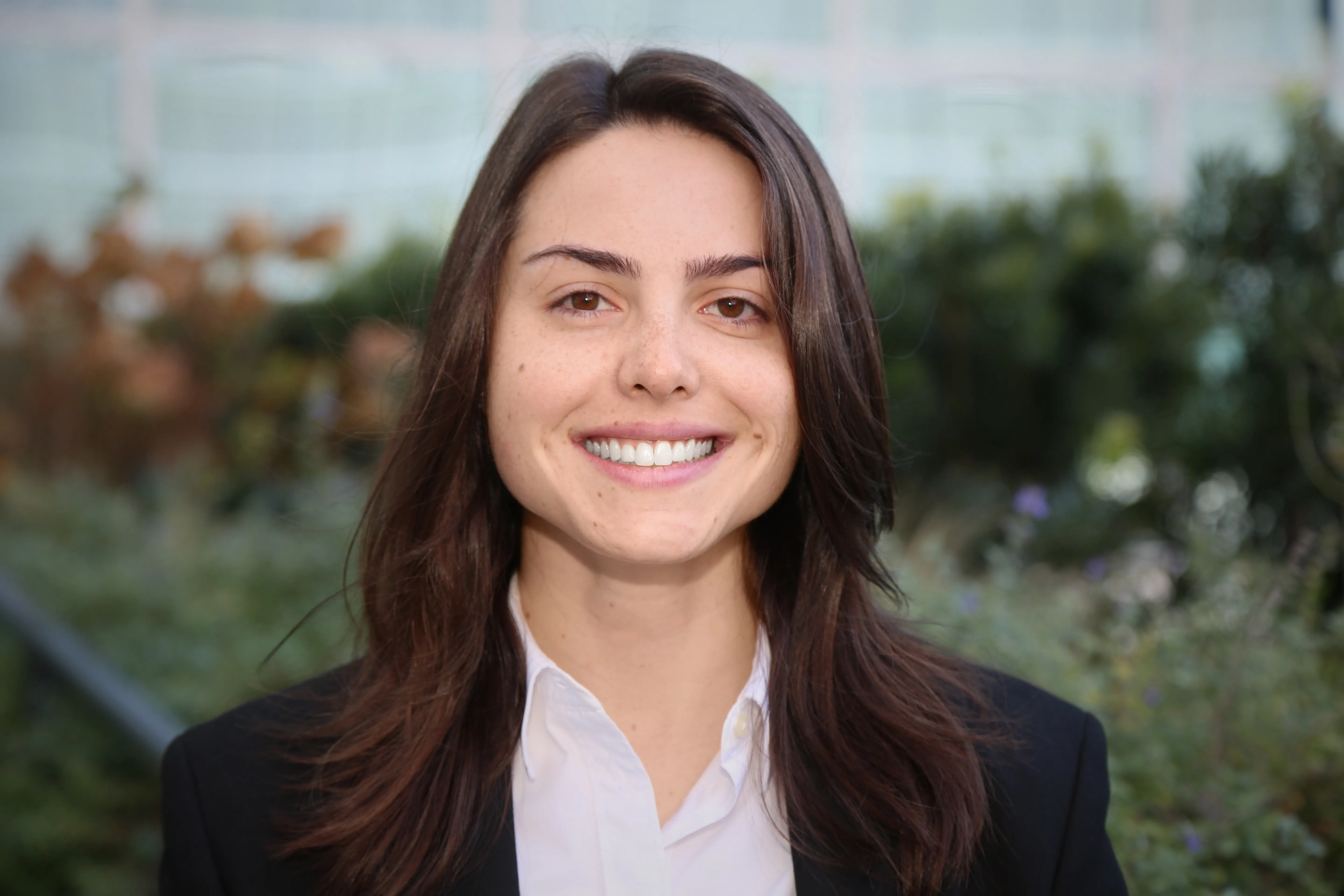
Katie Vu didn't pick golf until she was 10. Before that, she swam on the same team as Katie Ledecky, played lacrosse, soccer, and tennis, and figured out early that being good at a lot of things was more useful than specializing in one.
Now she's a Division I golfer at UNC Chapel Hill, managing a schedule that most people would find overwhelming, and she has a clear point of view on what youth sports gets right, what it gets wrong, and what nobody tells you before you get to college.
1. Briefly share your background.
I’m from Fairfax, Northern Virginia, right next to George Mason University. I didn’t actually settle on golf until I was about 10 years old. During the recruiting process, I did a lot of college camps, including the UNC one three times. My coach actually spotted my swing at a tournament and that's when we really connected. I committed right before my senior year in August, which was a relief after a long process.
2. What age did you get into your sport and did you play multiple sports?
My dad likes to say he got me into golf when I was four. Apparently I had plastic clubs, the whole thing. But realistically, I got serious about it around 10. Before that, I played lacrosse, soccer, tennis, and swam. My mom played tennis at Davidson College so she understood what it took to play at a D1 level. I swam for the same team as Katie Ledecky in Northern Virginia, which gave me a lot of lower body strength. Dads at my early tournaments would say, "Whoa, Katie hits it so far, she's going to play D1."
I got into golf more seriously when early morning swim practices got earlier and became a bit much for me and my parents. My mom is a teacher, and the golf coach at her school pointed her to someone for lessons. That was really how it started. I played mini tours for a while, and it wasn't until just before I was eligible to be recruited, June 15th of my sophomore year, that I played my first AJGA event. That's when my rankings really accelerated. Although not picking a single sport at age six initially felt like a disadvantage, I later realized that being a multi-sport athlete actually helped me significantly.
3. What has changed in youth sports since you played as a youth?
At least in golf, a big thing now is homeschooling. A lot of kids are choosing to homeschool so they have more time to practice and don't miss as many school days for tournaments. When I was growing up, it felt more like a parent-driven decision. Parents thought it was the best path for their kid. Now it feels like the kids themselves are driving it. Our freshmen were both homeschooled, and I remember thinking, that was not my experience at all. I went to public school and did the whole thing.
Beyond that, younger girls are hitting it way further than they used to. There's been a real shift in emphasis toward strength in women's sports and golf specifically. The power in swings has gone up significantly. Sometimes the finesse gets a little lost in that, but the athletic side of the game has changed a lot.
4. Looking back, what do you remember most about your youth sports experience?
Honestly, the travel. The drives with my dad or my mom to tournaments, we went everywhere. North Carolina constantly, Florida, Pennsylvania. I thought I had played everywhere by the time I graduated. Then my freshman year of college, we went to California and Tennessee, and I realized I had barely scratched the surface. But those road trips and all those different courses are what I remember most. There were a lot of cool opportunities in golf just to see different places.
5. How did your youth experience prepare you (or not prepare you) for college athletics?
Golf is a very individual sport, and my youth experience prepared me to be independent. I knew how to manage my own practice time and work on what I needed to work on. That part transferred well.
What I wasn't prepared for was competing against my own teammates to earn a spot in the lineup. In youth golf, if you paid your entry fee, you played. In college, you qualify against the people you train with every day. That's a totally different dynamic. You want to support each other, but you're also competing against each other. It's a real mental hurdle at the beginning. Once you get past it, having eight other people to train with every day is one of the best things about college golf. But that adjustment was something no amount of junior tournament experience fully prepares you for.
Being a multisport athlete also shaped who I am in ways I didn't fully appreciate until later. Not picking one sport at age six felt like a disadvantage at first, especially in a competitive area like Northern Virginia where everyone around you specializes early. But swimming gave me team experience and mental toughness that helped me for golf.
6. What’s the biggest misconception people have about being a college athlete today? Are there any misconceptions about golf specifically?
That you have no time. I sit next to friends in the business school who run five clubs on top of a full course load, and when I walk them through my schedule, they're surprised by how much I manage. The truth is you're conditioned into it, and the whole point of college athletics is developing your time management. Saying you have no time is really just saying you haven't figured out how to make the time yet, and that goes for everyone, not just athletes.
There are a few golf-specific ones too. When you play golf in high school, people think you're playing an old person's sport. Then you get to college and suddenly everyone wants you to teach them. Especially the business students. Golf becomes very appealing very fast when people realize how much of professional life happens on a course.
The other one is that golfers are individualistic and keep to themselves. That's not true for our team at all. We're close with a lot of different sports on campus and we know people everywhere. Golf has a reputation for being insular, but it really depends on the program and the people in it.
7. Tell us a little about your day-to-day schedule as a college athlete.
Golf gets one real off month, November. December and summer aren't officially dictated by my coach, but we're all playing individual tournaments anyway.
During the spring season, we stick to Tuesday and Thursday classes so we miss the fewest possible school days. A Monday, Wednesday, or Friday looks like this: workouts at 9:30, sports medicine before and after, then we head to the course to prep before official practice starts at 12:30. Practice itself is two hours of golf, but there's also a 30-minute session with my coach beforehand. We do our gratefuls, breathing work, body scans, things that help you get your head right before you play. After that, everyone works on what they need.
Then it's home, eat, homework.
Tuesdays are the hardest. The business school is a 30-minute walk from my house, and I have class from 9:30 to 4:45 with 15-minute breaks between sessions. Those days I barely practice, and if I did, it wouldn't be productive.
Weekends often involve qualifying rounds, anywhere from 7:30 in the morning at our home course to afternoon rounds at a nearby facility. Those go four and a half to five hours. Full days.
8. If you could tell yourself one thing to better prepare for college athletics, what would it be?
Practice with intention. Just hitting balls doesn't make you better, it makes you feel like you're doing something. I learned pretty quickly that knowing when to take a break is just as important as putting in the reps. I wish I had understood that earlier. Sometimes stepping away and resetting is what actually moves you forward.
9. What has your favorite sports moment been?
For me personally, it was a tournament last fall where I played as an individual, not counting toward the team score, just playing against the field. It was the second event of the year, a course I'd played before, and the conditions were rough. Raining the whole time, soaking wet. I finished around 10th, which was strong relative to the field. But what made it stand out was that my team won too. I got to watch my teammate win the individual title and our whole team take it. That was the first time it felt real, not just believing in myself, but seeing it actually happen.
For something I watched, two come to mind. On my recruiting trip to UNC, it was Duke football weekend and we had Drake Maye at quarterback. We went to double overtime and got to rush the field. That's a hard thing to forget when you're a recruit seeing the campus for the first time. And more recently, when UNC beat Duke and everyone rushed Franklin Street, that was really cool too.
But if we're talking about women's sports, I have to mention watching the women's soccer team win the national championship in Cary. That winning goal, that whole game, being there for it and seeing that level of excellence right in front of you, was something else.
The Game Behind the Game
Katie's path from plastic clubs in a Virginia driveway to the fairways of UNC is the kind of story that starts at a youth tournament, on a travel team, at a weekend event run by someone who cares about getting it right. That's the world Fastbreak AI is built for. From the tournament directors and club administrators who make those early experiences possible to the families who show up every weekend, we build the technology that keeps the game running.
About Top of the 9th
Top of the 9th is a Fastbreak AI original series featuring the athletes, organizers, and operators who make sports exceptional.


