







A Movement Built on Momentum
Women’s volleyball has become one of the fastest-growing sports in the world. The growth reaches from youth clubs to college arenas to professional leagues. Fans are filling stadiums. Families are traveling across the country for tournaments. Media coverage is climbing.
And according to i9 Sports, NIL is accelerating that rise. Athletes build personal brands earlier. Clubs invest more in visibility. Parents view volleyball as a long-term pathway. NIL has changed how the volleyball community thinks about opportunity and advancement.
Women’s volleyball is no longer emerging. It is becoming one of the defining sports of the century.
Growth by the Numbers
The growth shows up everywhere:
- The 2025 NCAA Women’s Volleyball Tournament set a consumption record with a 13% year-over-year increase, including an 83% viewership spike among adults aged 25-34, according to ESPN Press Room.
- Nebraska set the global attendance record for women’s sports with 92,003 fans at a volleyball match, confirmed by ESPN.
- NCAA Women’s Volleyball achieved record regular-season viewership with a 36% increase from 2024, verified by ESPN Press Room.
- NIL is pulling more athletes into the sport and encouraging long-term development, as detailed by Buying Sandlot.
These numbers show a sport that is expanding fast, driven by visibility, access, community, and opportunity.
How NIL Is Accelerating Volleyball’s Surge
Name Image Likeness (NIL) pay has changed the landscape for college sports, but volleyball is one of the clearest examples of how athlete opportunity fuels participation and event growth.
NIL Makes Volleyball More Aspirational
Volleyball players often build large social followings through training content, match highlights, and club travel experiences. Buying Sandlot notes that these early audiences help players earn value before they reach college.
With more pathways to earn from their influence, volleyball players view the sport as a long-term opportunity, not a short-term activity.
Families View the Path Differently
NIL has changed how families see club fees, travel costs, and training programs. Instead of seeing volleyball only as a sport, families see growth potential, scholarships, and NIL earnings. This encourages more long-term commitment to the sport.
Clubs and Events Are Investing in Visibility
Clubs now hire photographers, videographers, and social media teams. Tournaments offer better streaming, highlight platforms, and digital coverage. These programs are built around NIL demand, athlete branding, and recruiting value.
That environment increases demand for events that offer:
- Strong media coverage
- Competitive talent
- Recruiting exposure
- Quality facilities
NIL has raised the standard for volleyball event delivery.
Why Volleyball Keeps Growing Beyond NIL
While NIL is a major force, it builds on a strong foundation that volleyball already had.
1. Volleyball Is Built for Fans
The game is fast, intense, and easy to follow. The energy stays high through every rally. That creates a great experience for fans and families.
2. Youth Participation Keeps Rising
Girls’ volleyball has grown for more than 20 straight years. Club seasons, camps, and year-round development build strong communities that support sustained growth.
3. College Volleyball Has Become a Spectacle
Television coverage, conference rivalries, and postseason events have pushed college volleyball into mainstream sports culture. The record-breaking Nebraska match is a prime example.
4. Pro Volleyball Is Expanding
Indoor and beach volleyball continue to grow. More players see a pathway beyond college, creating even stronger commitment at the youth and club levels.
5. Volleyball Communities Are Loyal and Connected
Clubs build strong relationships. Teams stay together for years. Families travel together. This loyalty sustains participation and supports healthy tournament ecosystems.
A major driver of this momentum is USA Volleyball’s role as the national governing body. Its standardized pathway connects youth clubs, college programs, and the national team, giving families and athletes a clear direction forward.
What This Means for Event Organizers and Sports Complexes
The rise of women’s volleyball changes expectations for operators, tournament hosts, and cities.
Bigger Venues and More Courts
Events increasingly require spaces like convention centers, large fieldhouses, multi-court layouts, and arena-style feature courts. Destinations that can support these formats with the right infrastructure quickly become top choices for volleyball tournaments and recurring annual events.
Higher Expectations for Event Experience
Families now expect organized schedules, clean facilities, quality lighting, accessible parking, and strong communication throughout the event. These operational elements significantly impact how families perceive an event and whether they return, making execution a key factor in long-term loyalty.
Significant Local Economic Impact
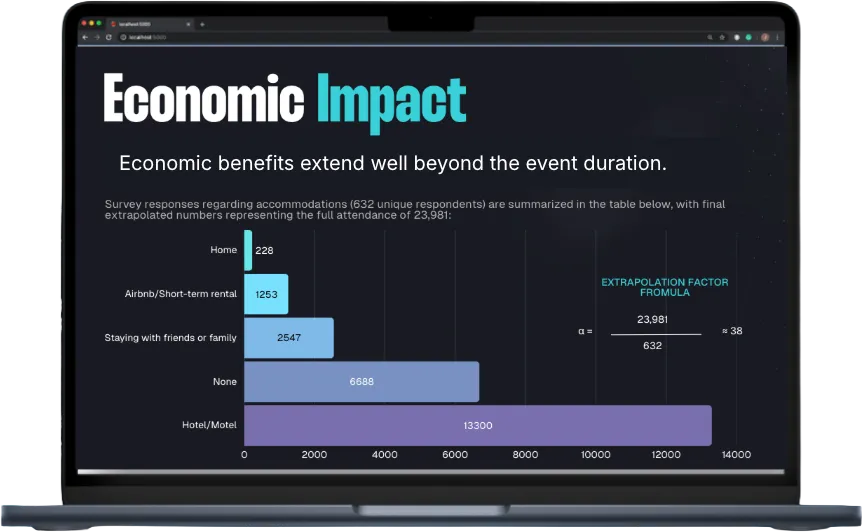
Volleyball events generate strong tourism returns. According to Sports ETA, volleyball is one of the top drivers of sports tourism due to multi-day stays and large traveling club communities.
Hotels, restaurants, and local businesses all benefit. For many destinations, volleyball fills weekends that once had little activity.
Opportunities for Engagement and Partnership
Volleyball’s young, engaged, and fast-growing audience is valuable for brands, training programs, local businesses, and regional partners. Events that incorporate fan zones, activations, and interactive experiences stand out because they give families more ways to engage beyond the court. This community-first environment makes volleyball an appealing opportunity for partners who want meaningful visibility.
Challenges That Come With Growth
Court shortages
Demand for volleyball courts is outpacing facility growth, especially in regions with expanding club participation. Many events are forced to adjust formats or limit entries simply because there isn’t enough court space.
Rising travel costs
Families are spending more on hotels, fuel, and flights, which makes multi-day tournaments a bigger financial commitment. Events with clear schedules, affordable options, and well-planned locations help families justify the investment.
Officiating shortages
More tournaments require more certified officials, but training and retention haven’t kept pace with demand. Events that invest in education, staffing support, and fair pay are more likely to secure experienced officials.
Crowded tournament calendars
With more clubs and organizations hosting events, weekends fill quickly and competition for high-value dates intensifies. Early planning and clear communication help organizers secure dates that attract strong teams and reliable participation.
The Decade Ahead
Women’s volleyball is positioned for powerful long-term growth. NIL will keep shaping development and visibility. College arenas will continue to break attendance records. Professional leagues will expand their reach.
Youth programs will keep feeding the pipeline. Families will continue building seasons around the sport. Destinations will compete for the large economic impact that volleyball tournaments deliver.
Volleyball’s upward trend points to a lasting movement in the sport.
Takeaway
Women’s volleyball is rising fast. NIL has accelerated its growth. Strong participation, exciting gameplay, and a loyal community continue to push the sport forward. Event hosts and destinations that invest in volleyball now will benefit for years to come. The demand for high-quality volleyball events is rising, and the organizations that meet that demand will lead the next era of the sport.
Ready to scale your volleyball events? Fastbreak AI for volleyball tournaments brings scheduling and operations together in one place.
FAQs
Why is women's volleyball growing so fast?
Women's volleyball is growing because of rising media coverage, record-breaking attendance and viewership, more than 20 straight years of youth participation growth, and NIL opportunities that make the sport more aspirational for athletes and families.
How is NIL impacting women's volleyball?
NIL is accelerating volleyball's growth by giving athletes a way to build personal brands and earn value before college, encouraging families to view the sport as a long-term investment, and pushing clubs and tournaments to invest more in visibility like photography, videography, and streaming.
What does the growth of women's volleyball mean for event organizers?
Event organizers need bigger venues with more courts, such as convention centers and multi-court fieldhouses, along with higher standards for scheduling, facilities, and communication. Families now expect a polished event experience and are more likely to return when execution is strong.
What economic impact do volleyball tournaments have on host cities?
Volleyball tournaments drive significant local economic impact through multi-day stays and large traveling club communities, generating business for hotels, restaurants, and other local businesses, and often filling weekends that would otherwise see little activity.
What challenges come with women's volleyball's rapid growth?
Key challenges include court shortages as demand outpaces facility growth, rising travel costs for families, shortages of certified officials, and increasingly crowded tournament calendars as more clubs compete for high-value weekend dates.


