








Every tournament director knows the conversation: a team admin or coach emails asking why registration fees went up… again. A parent posts in a Facebook group comparing your event to a cheaper one two hours away. You know your costs went up, and you know why. But you’re not in their closed conversations to let them know why your tournament will be a better fit.
Youth sports costs have increased 46% since 2019. The average family now spends over $1,000 per year on a child's primary sport, and for older athletes, that number climbs to $1,345. Travel and lodging alone account for nearly $456 per year for athletes aged 15 to 18, making it the single largest expense for families with high school athletes.
Families are paying more, and they feel it. And they're making choices about which events are worth it.
Where the Money Goes
The Aspen Institute's Project Play breaks down what families actually spend, and the numbers tell a clear story about where the pressure is concentrated:
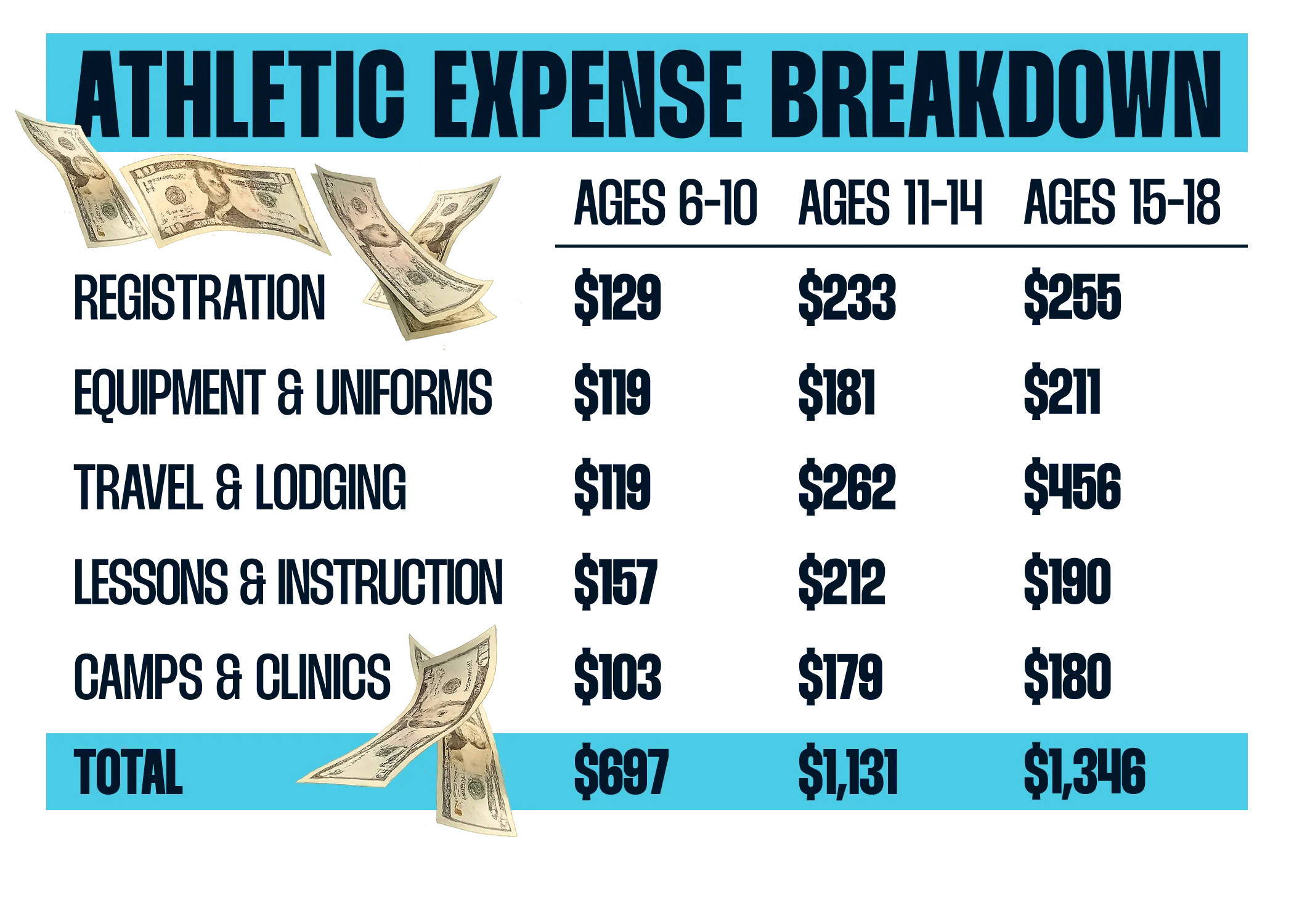
Registration fees are a relatively small piece of that budget. Travel is where families feel it most, particularly for older athletes traveling farther to compete at higher levels. That matters for how you think about your event.
Why Costs Jumped
Two things happened at once. After the 2020 lockdown and social distancing dance (in many states), demand for organized sports came back stronger than expected. Families who had spent one or even two years waiting to get back on the field were ready to spend. That demand attracted private equity into the youth sports space, raising the bar for what a "standard" event experience looks like and driving up costs across the board.
At the same time, specialization accelerated. Families are investing more in private instruction, travel teams, and year-round competition. Parents of female athletes spend an average of $1,053 per year on their child's primary sport, more than parents of male athletes, largely driven by higher spending on coaching and instruction.
Costs also scale sharply with age. Families with younger athletes aged 6 to 10 spend an average of $697 per year. By high school, that number reaches $1,345. Travel and lodging account for most of that increase, totaling nearly $456 per year for athletes aged 15 to 18.
For organizers, that context matters. The families coming to your events are already stretched. They are making deliberate decisions about which events are worth the drive, the hotel night, and the entry fee. The events that make those decisions easy are the ones that keep clubs coming back.
The Participation Gap
Families with household incomes under $50,000 spend nearly $987 less per year on youth sports than families earning over $100,000. That gap isn't just a financial statistic. It determines who shows up at your event and who stops playing altogether.
Achieving the federal goal of 63% youth sports participation by 2030 could save the U.S. $80 billion in long-term medical costs and productivity losses. The case for keeping youth sports accessible goes well beyond any single tournament. But for organizers, the practical question is simpler: if costs keep rising and you keep passing them on, which clubs stop coming back first?
The Organizer's Dilemma
Costs are going up on your side, too. Field rentals, insurance, staffing, and software all cost more than they did five years ago. The instinct is to raise registration fees to cover the gap. But every time you do, you give clubs a reason to look at the event down the road.
The organizers who are holding the line on fees aren't absorbing the difference. They're running more efficiently and generating revenue from areas that don't touch the registration line.
Two Places to Find It
Travel is the highest single cost for families, and it's also one of the most reliable revenue opportunities for organizers. When you manage your hotel blocks well, negotiate room rates, and run a stay-to-play program that families actually want to use, you generate rebate revenue from every room night booked. That income offsets your operating costs without raising what you charge teams to compete.
Fastbreak Travel handles the logistics of group accommodations from contract through checkout. Room blocks are sourced, negotiated, and managed in one place. Families get direct booking links with competitive rates. Organizers get a predictable rebate stream after every event, often meaningful enough to offset a significant portion of operating costs.
Sponsorships are the other lever. Most organizers leave sponsor revenue on the table, not because brands aren't interested, but because activating them at an event takes more time and coordination than a lean operation can manage. When your event is run on a connected platform, sponsor activation becomes part of the operation rather than a separate project.
How Smarter Operations Keep Costs Down
The same AI scheduling engine that builds seasons for the NBA, NHL, MLS and 65+ professional leagues worldwide is available to tournament directors running events this spring. That's not a marketing claim. It's the actual architecture.
Pro-grade technology at the amateur level means less time on manual logistics and more control over where your money goes.
For organizers feeling the squeeze between rising costs and resistant registration fees, the answer isn't simply spending less. It's finding revenue in places that don't touch what you charge families to compete.
Fastbreak AI helps organizers do four things:
- Run leaner operations: Registration, scheduling, scoring, communications, and reporting all connected in one platform. Less time managing disconnected processes means lower administrative costs and fewer last-minute fixes that eat into your margin.
- Generate (more) sponsor revenue: Fastbreak AI connects organizers with brands looking to reach youth sports families directly. Sponsor activation becomes part of your event operation rather than a separate project you never have time for.
- Turn travel into a revenue stream: Fastbreak Travel manages group accommodations from contract through checkout. Families get competitive hotel rates through direct booking links. Organizers generate rebate revenue from every room night booked, without raising team fees or adding work to their plate.
- Capture gate revenue at every event: Fastbreak Ticketing gives organizers a mobile-first ticketing solution for indoor sports, where gate revenue is a real part of the financial model. With SMS-based ticket sales instead of wristbands, cashless payments at the door, and built-in sponsor branding on every ticket, gate entry can turn into an income stream without adding complexity.
The organizers who hold the line on registration fees aren't absorbing higher costs. They're running smarter events.
Efficiency Is the Competitive Advantage
The families attending your events are spending $1,000 or more per sport per year. They are making deliberate choices about where that money goes. An event that runs smoothly, communicates clearly, and makes travel easy is worth more to a club director than one that costs slightly less but creates headaches.
When your operations are tight, you can hold fees steady, generate revenue from travel and sponsorships, and deliver an experience that gives clubs a reason to come back. That's not just good operations. That's how you build a reputation that fills your registration before you open it to the public.
The events that will grow in 2026 and beyond aren't necessarily the biggest or the cheapest. They're the ones that make it easier for families to show up and easier for clubs to say yes again next year.
FAQs
How much have youth sports costs increased since 2019?
Youth sports costs have increased 46% since 2019. The average family now spends over $1,000 per year on a child's primary sport, and for older athletes, that number climbs to $1,345.
What is the biggest expense for families with youth athletes?
Travel and lodging are the largest expense for families with high school athletes, accounting for nearly $456 per year for athletes aged 15 to 18. Registration fees are a relatively small piece of the overall budget compared to travel.
Why have youth sports costs risen so much?
Demand for organized sports surged after 2020 lockdowns, attracting private equity investment that raised the bar for standard event experiences and drove up costs. At the same time, sports specialization accelerated, with families investing more in private instruction, travel teams, and year-round competition.
How can tournament organizers generate revenue without raising registration fees?
Organizers can generate revenue from travel by managing hotel blocks and running a stay-to-play program that earns rebate income from every room night booked. Sponsorship activation and mobile ticketing at indoor events are two other revenue streams that don't require raising what teams pay to compete.
What is the youth sports participation gap based on household income?
Families with household incomes under $50,000 spend nearly $987 less per year on youth sports than families earning over $100,000, a gap that affects who shows up at events and who stops playing altogether.


